
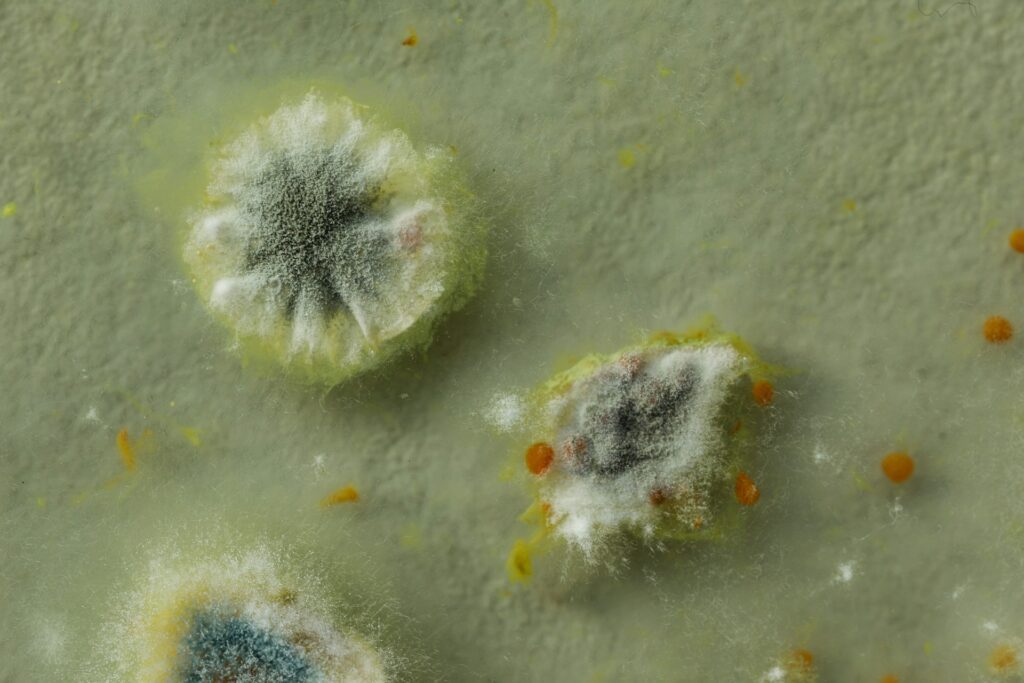
Mold that keeps coming back is more than an annoyance for Lake Forest and Lake Bluff homeowners. It affects air quality, damages finishes, and can make your home feel damp and unhealthy even when everything looks “clean.” Scrubbing the same spots every few months gets old fast, especially when the stains and musty smell never really disappear.
When mold returns after cleaning, it is almost never just a housekeeping issue. Recurring mold points to moisture, air movement, and building design problems that are hiding behind walls, under floors, or inside your HVAC system. In this article, we will walk through why mold keeps reappearing, what many companies skip, and how thorough inspections and mold testing in Lake Bluff and nearby communities can finally break the cycle.
The Hidden Conditions That Make Lake Forest Homes Mold Magnets
Homes near Lake Michigan deal with unique moisture conditions. The lake influences humidity, wind patterns, and temperature swings, all of which affect how your house holds and moves moisture. Even when the air outside feels pleasant, indoor surfaces can stay damp enough for mold to grow.
Some of the most common moisture drivers we see in Lake Forest and Lake Bluff include:
- Poor attic ventilation that traps warm, humid air
- Leaky foundations that allow groundwater seepage into basements
- Window condensation that runs down into sills and wall cavities
- Bathrooms and laundry rooms without effective venting to the exterior
- Past water damage that was dried on the surface but not fully remediated
The key distinction is surface mold versus systemic moisture issues. Surface mold is what you notice on:
- Shower grout
- Window frames
- Baseboards and trim
- Basement walls or ceilings
Systemic moisture hides in:
- Wall cavities behind drywall
- Subfloors under carpeting or vinyl
- Insulation that has absorbed water
- Ductwork and HVAC components
If the underlying source, like a slow plumbing leak or chronic condensation, is not identified and corrected, mold spores will keep finding their way back to visible surfaces. Cleaning alone cannot fix a building that is quietly staying wet.
What Most Mold Companies Fix, and What They Ignore
Many mold services focus on what you can see. They arrive, spray disinfectant, wipe or scrub affected areas, maybe apply a stain-blocking paint, and then leave. For a short time, your walls look fresh and the smell improves, but the real problem is still in the structure and the air.
Common shortcuts that allow mold to return include:
- Skipping thorough moisture mapping of walls, ceilings, and floors
- Failing to measure humidity and temperature differences between rooms
- Ignoring pressure imbalances that can pull moist air into wall cavities
- Not inspecting adjacent spaces like attics, crawlspaces, or neighboring rooms
Chemical-only approaches or fogging might reduce airborne spores for a while, but they do not remove:
- Spores embedded in carpet fibers and padding
- Mycotoxins and fragments trapped in dust on hard surfaces
- Contamination inside soft furnishings or in ductwork
Without a building-wide strategy, including inspection and mold testing in Lake Bluff and Lake Forest, these hidden reservoirs keep reseeding new growth. The result is a repeating pattern of “better for a bit, then the stains and smell come back.”
How Professional Mold Inspections Actually Stop Recurring Growth
To stop mold from coming back, we have to treat the house like a system, not just a set of dirty spots. A thorough mold inspection digs into how moisture and air are moving through your property.
A complete inspection should include:
- Detailed visual review of all accessible interior and exterior areas
- Moisture readings in walls, floors, and ceilings, not just visible damage
- Infrared thermography when appropriate to spot hidden wet zones
- Air and surface sampling where needed to confirm what types of mold are present
- Evaluation of HVAC components and ductwork that could be spreading spores
Lab-based mold testing in Lake Bluff and Lake Forest can reveal problems that are not obvious to the eye, such as:
- Elevated spore counts in “clean” rooms that indicate cross-contamination
- Mold species that point to specific moisture issues, like chronic leaks versus condensation
- Differences between levels or rooms that highlight problem areas
Once we have clear data, we can create a targeted remediation and prevention plan. That plan typically addresses:
- Repairing leaks in plumbing, roofs, or foundations
- Managing condensation on windows and in cold corners
- Improving bathroom, kitchen, and laundry ventilation
- Balancing indoor humidity with dehumidification where needed
By focusing first on the source and movement of moisture, and then on safe removal of mold-contaminated materials, we can help break the cycle of recurring growth instead of just treating the symptom.
The Role of Deep Cleaning, Carpets, and Flooring in Mold Comebacks
Even after a wall is opened, dried, and repaired, mold problems can return if the surrounding materials still hold spores. Carpets and some types of flooring act like sponges, both for moisture and for microscopic particles.
Common “spore reservoirs” inside a home include:
- Carpet and padding in previously damp rooms or basements
- Area rugs that sat on a wet floor
- Porous flooring materials that absorbed water during a leak
- Dust layers on baseboards, window trim, and in corners
If these materials are not cleaned appropriately during remediation, they can release spores back into the air every time you walk, vacuum, or run your HVAC system. That is why pairing mold remediation with professional carpet and floor cleaning is so important.
An integrated approach typically involves:
- Deep cleaning carpets and hard floors after structural drying
- Extracting embedded soil and moisture from padding where salvageable
- Cleaning or replacing affected rugs
- Coordinating with duct cleaning and thorough hard-surface disinfection
When cleaning supports, rather than replaces, proper remediation, it helps prevent recolonization and keeps your indoor environment healthier over the long term.
How GreenStar HomePro Solves What Others Leave Behind
At GreenStar HomePro, we work across Lake Forest, Lake Bluff, and the greater Chicago area, and we see the same patterns in many homes. Mold becomes a repeat visitor when moisture, structure, and cleaning are treated as separate problems instead of pieces of one system.
Our approach brings together:
- Water damage restoration that focuses on full structural drying
- Mold inspection and remediation that looks beyond the obvious spots
- Carpet and floor cleaning that reduces hidden reservoirs of spores and dust
By combining detailed moisture investigation with information from professional mold testing in Lake Bluff and surrounding suburbs, we can build a plan that addresses both immediate contamination and long-term prevention. We pay close attention to what is happening in attics, basements, crawlspaces, and HVAC systems, because those are often the areas that standard “spray and wipe” jobs never touch.
For homeowners who are tired of seeing the same mold patches return, the first visit usually includes a careful walk-through, moisture checks, and a conversation about your home’s history with leaks, condensation, and past cleanups. From there, we can outline practical steps to protect your home, improve indoor air quality, and help preserve the value of your property so mold becomes a problem you solved, not one you are constantly fighting.
Protect Your Home and Family With Expert Mold Testing Today
If you suspect moisture or musty odors in your home, now is the time to schedule professional mold testing in Lake Bluff. At GreenStar HomePro, we use detailed inspections and proven testing methods to identify hidden mold before it becomes a bigger problem. Our team will walk you through clear next steps and solutions tailored to your home. Ready to move forward with a healthier living space? Contact us today to get started.