
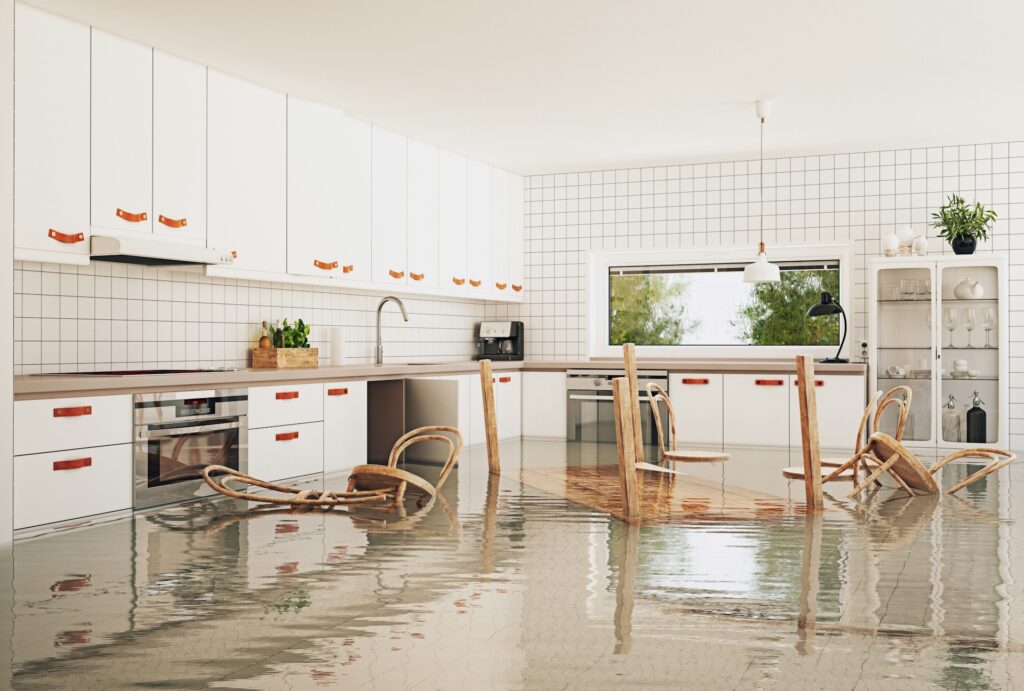
Protect Your Home Fast After a Water Emergency
Water damage in Highland Park can go from a small mess to a big problem very quickly. Frozen pipes, snowmelt, backed-up gutters, or heavy rain can push water into basements, crawl spaces, and living areas. If that happens, every hour counts. Moisture that sits can lead to mold, warped floors, and damage inside walls.
The first 24 to 48 hours are especially important. Acting fast helps protect the structure of your home and your belongings, and it also helps keep your family safe from hidden hazards. In this article, we will walk through what is safe to handle on your own, and where it is smarter to call a certified restoration company like ours. You will come away with a clear action plan, simple safety steps, and some practical ways to limit damage in a typical Highland Park home and climate.
First Hour Action Plan Homeowners Should Never Skip
The first hour after you notice water is all about safety and stopping the source. Before grabbing a mop, take a breath and look around carefully.
Start with safety first:
• If you can do it without walking through standing water, turn off electricity to the affected rooms at the breaker
• Look up for sagging ceilings, bulging drywall, or loose fixtures that might fall
• Move slowly on wet floors to avoid slips, and keep kids and pets away from the area
If the water might be from a sewer backup, overflowed toilet, or street flooding, do not touch it with bare skin. That type of water can carry bacteria and other harmful material. Stay clear until a professional can assess it and put proper protection in place.
Once you have checked for hazards, there are a few basic steps you can take in those first 60 minutes if conditions are safe:
• Stop the source if possible by shutting off the main water supply or a local supply valve
• Tighten obvious leaky connections under sinks or behind toilets if you can reach them safely
• Place buckets or towels under small drips to slow spreading
For shallow, clean water, some homeowners use mops or a wet/dry vacuum. Only do this if you are certain the water is from a clean source like a supply line, not from drains or outside. At the same time, start protecting your belongings. Move area rugs, small furniture, and electronics out of the wet zone. Put foil, plastic, or small blocks under furniture legs to keep them off damp flooring.
There are also times when you should stop and call a pro right away. That includes:
• Standing water deeper than about a half-inch
• Any sign of water in ceilings or inside walls
• Outlets, extension cords, or power strips near or in the water
• Water that is dark, has a strong odor, or seems to have come from outside or a drain
In these situations, specialized equipment and training are usually needed to dry hidden spaces and to deal with possible contamination.
What You Can Safely DIY After Water Damage in Highland Park
Once the area is safe and the source is stopped, some light drying and cleaning tasks can help limit the spread of moisture. Weather plays a big role for Highland Park homes, so always consider temperature and humidity.
For drying and ventilation, homeowners can usually:
• Open windows if the air outside is cool, not too humid, and above freezing
• Place small fans to move air across damp surfaces, not directly into walls
• Run portable dehumidifiers in closed rooms, emptying the tank often
On milder days, a mix of fresh air and dehumidification can work well. In winter or very humid weather, it is usually better to keep windows closed and let dehumidifiers and heating do the work. Avoid running fans if they might blow moisture into wall cavities or if mold is suspected.
You can also handle basic cleaning of non-porous items if the water came from a clean source:
• Wipe tile, metal, plastic, and sealed wood with a mild cleaner
• Bag and remove wet cardboard, paper, and damaged packaging
• Wash clothing, linens, and other washable fabrics in hot water if they were only in clean water
If any item keeps a strong odor or heavy staining even after washing, it may not be safe to keep. Porous items like pillows, some mattresses, or untreated wood that stayed wet can trap moisture deep inside.
While you work, keep an eye out for signs of hidden moisture:
• Mark the highest water line on walls with painter’s tape
• Take photos of rooms and items before and after cleanup
• Check daily for musty smells, new stains, bubbling paint, or cupping floorboards
These clues can show that water is still trapped in places you cannot see, which often calls for professional help.
When DIY Becomes Risky and You Need a Pro
There is a point where trying to handle water damage on your own can create more trouble. Highland Park homes often have finished basements, below-grade walls, and older building materials that soak up water quickly.
Call a certified restoration company when you notice:
• Wet walls, ceilings, insulation, or subfloors that feel soft or look stained
• Water that has been sitting for more than a day, even if the surface looks dry
• The same area getting wet again, which can point to plumbing or foundation issues
Health and safety matter just as much as the structure. Pay attention to:
• Musty or earthy odors, especially in basements or closets
• Small dark spots on drywall, trim, or furniture
• Family members with irritated eyes, coughing, or allergy-like symptoms that get worse indoors
Trying to treat suspected mold with bleach or household products can spread spores, push moisture deeper into materials, and leave growth behind. Older homes may also have materials like lead-based paint or other components that should not be disturbed without proper controls.
Professional restoration teams bring tools and training that go far beyond basic cleanup:
• Moisture meters and thermal imaging to find damp spots behind walls or under flooring
• High-powered extraction tools, air movers, and dehumidifiers sized correctly for your home
• IICRC-certified methods for water removal, drying, cleaning, and mold remediation
This type of process not only helps protect your home but also lines up with what many insurance companies expect when they review a water loss.
How Pros and Homeowners Can Work Together to Save Costs
The best results usually come when homeowners and restoration pros work as a team. There is plenty you can do that does not require special equipment, while the technical side stays with trained crews.
A smart division of labor might look like this:
• Homeowner: move personal items, box up belongings, and clear pathways
• Homeowner: handle simple surface cleaning on non-damaged areas and keep rooms ventilated as directed
• Pro: extract standing water, set up and adjust drying equipment, and handle any demolition or rebuild needs
• Pro: manage mold remediation steps and detailed cleaning of structural materials
Good documentation is another area where teamwork pays off. Homeowners can:
• Take clear photos and videos of all affected areas and contents
• Write down what was damaged, including brand and general condition
• Save receipts for things like temporary repairs, fans, or dehumidifiers
A restoration company can usually support this with moisture readings, drying logs, and notes that help your insurance adjuster understand what happened and why certain steps were needed. Getting professionals involved early often reduces the amount of material that needs to be removed and replaced.
Highland Park homes deal with specific seasonal issues too. As winter eases, we see:
• Ice dams along roof edges that send water under shingles
• Snowmelt leaking into foundation cracks or window wells
• Sump pump failures during heavy rains or sudden thaws
Simple habits like keeping gutters clear, checking sump pumps and backup power, and watching for new stains after storms can catch small problems before they become major. Pairing that kind of vigilance with periodic professional moisture checks can help prevent repeat water damage in the same spots.
Take Control of Water Damage Before It Controls You
Water damage in Highland Park is stressful, but it does not have to control your home or your budget. Act quickly in the first hour to stay safe and stop the source. Use careful, light DIY work to dry and clean what you can see, and watch closely for any signs that moisture has spread where you cannot safely reach it.
When water gets into walls, lingers longer than a day, or brings health concerns, that is the time to bring in an IICRC-certified restoration team like GreenStar HomePro. Together, we can combine your on-the-ground efforts with professional tools and methods to protect your home, your health, and your peace of mind.
Protect Your Home From Costly Water Damage Today
When you are facing water damage in Highland Park, fast action can be the difference between a simple repair and major structural problems. At GreenStar HomePro, we respond quickly, assess the full scope of the damage, and guide you through each step of restoration. Let our experienced team help safeguard your home and your peace of mind. If you are ready to get started or have questions about your situation, contact us today.