
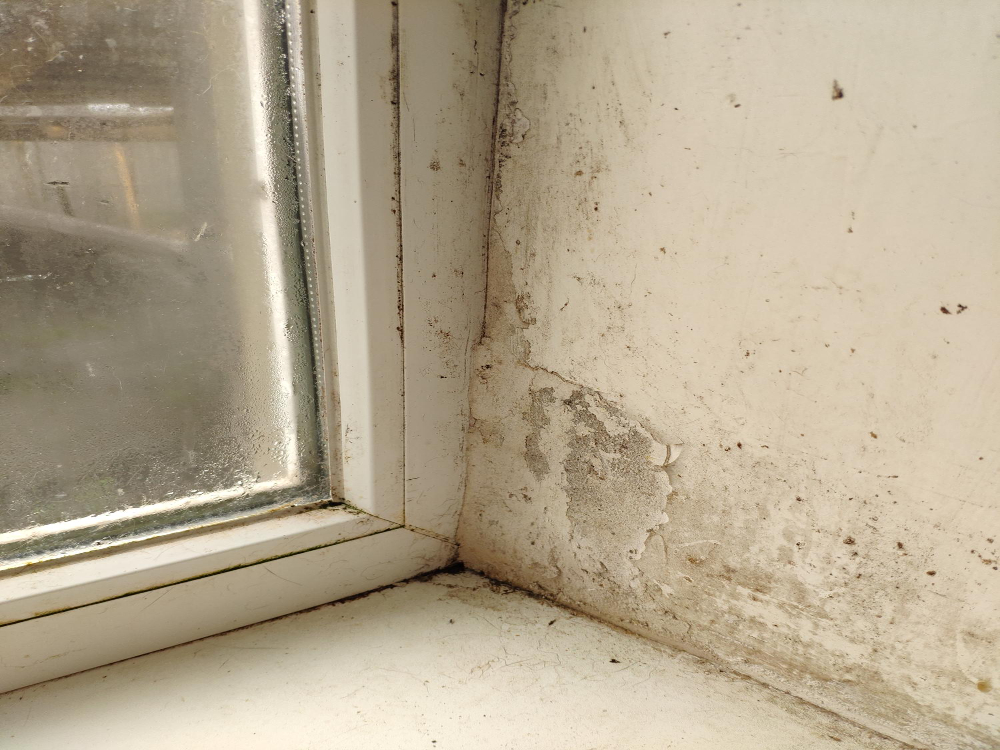
Know Your Coverage Before Mold Becomes a Crisis
Mold can turn a small water issue into a big problem for your health, your property, and your wallet. Many Illinois homeowners and business owners are surprised to discover that their insurance does not automatically pay for every mold problem, even when it feels like an emergency. The truth is, mold coverage is limited on many policies, and how your claim is handled often comes down to the exact cause of the damage and the wording in your policy.
In Illinois, and especially in older homes and buildings around Libertyville and the greater Chicago area, moisture problems are common. That makes it even more important to know what your insurance might cover before mold appears. At GreenStar HomePro, we help property owners with water damage restoration, mold remediation, and cleaning, and we see every kind of insurance outcome. Our goal is to help you understand how mold removal in Libertyville is usually treated by insurers so you can make smart decisions and respond quickly if you spot a problem.
How Illinois Home Insurance Typically Treats Mold Claims
Insurance companies do not look at “mold” first; they look at what caused the mold. That starts with a few key terms that show up in most policies.
Common phrases you will see include:
- Covered peril
- Sudden and accidental damage
- Maintenance-related damage
A “covered peril” is an event your policy specifically protects against. This often includes things like a sudden burst pipe, a broken appliance that leaks all at once, or storm-related water intrusion. When mold grows as a direct result of that kind of sudden and accidental damage, there is a better chance some of the mold cleanup will be covered.
On the other hand, “maintenance-related damage” usually refers to problems that build up over time. Examples include slow leaks under a sink, long-term roof seepage, poor ventilation in a bathroom, or a damp basement that is never fully dried. Mold that grows from these ongoing issues is often excluded by standard policies.
Even when mold is tied to a covered peril, many Illinois policies include:
- Mold or “fungi” sub-limits that cap how much the insurer will pay
- Restrictions on what parts of the cleanup they will cover
- Requirements that you address the water source quickly to keep coverage
That is why you might have coverage for the initial water loss, but only limited help for the mold that shows up later.
Common Mold Scenarios in Illinois Homes and Businesses
We see some patterns in how mold problems start in our area, especially in suburbs like Libertyville, where winters are cold and many homes have basements.
Here are a few typical scenarios and how insurers often look at them:
Burst pipe in winter
A pipe freezes and bursts inside a wall, soaking insulation and drywall. You shut off the water, but within a few days, mold starts growing behind the walls.
In many cases, the initial water damage is considered sudden and accidental, so it is often covered. Mold removal may be covered up to your policy’s mold limit, especially if you report the loss quickly and hire professionals for drying and remediation.
Roof leak after a storm
A strong storm damages shingles, and water gets in. If you notice the leak right away, get it tarped, and file a claim, you may have coverage for both water and resulting mold. If the roof leak goes unnoticed for months, and the adjuster decides the damage built up over time, the insurer may call it a maintenance issue and reduce or deny mold coverage.
Basement seepage and chronic dampness
In many Libertyville homes, older foundations let in moisture during heavy rain, and basements stay damp. Over time, mold appears on walls, wood, or stored items.
This kind of chronic seepage is rarely covered, and mold from long-term dampness is usually excluded. Insurers often expect property owners to manage humidity, drainage, and repairs before it reaches that point.
In every scenario, fast, professional mitigation makes a major difference. Quick actions like:
- Immediate water extraction
- Thorough structural drying
- Containment to keep mold from spreading
can protect your property and make it easier to show your insurer that you acted responsibly.
Reading the Fine Print in Your Policy
Understanding your policy before there is a problem can spare you a lot of stress. The mold information is often scattered across different sections, so it helps to know where to look.
Key sections to review include:
- Water Damage
- Mold, Fungi, or Bacteria
- Pollutants or Contaminants
- Endorsements or Riders
Standard policy exclusions will often say that mold is not covered, except when it is a direct result of a covered peril. Optional endorsements can sometimes add extra mold or water-damage coverage for an additional premium. Resources like this overview of mold and homeowners insurance can give you a general idea of what many policies include, but your specific contract always rules.
When you review your policy, pay attention to:
- Overall policy limits for property damage
- Specific mold or fungi sub-limits
- Your deductible for property claims
- Documentation requirements, such as photos, receipts, and professional reports
It is smart to ask your insurance agent questions like:
- Do I have a mold or fungi sub-limit, and what is it?
- Under what circumstances is mold covered?
- Are there optional endorsements that add more mold or water damage protection?
- Are there recommendations for properties with basements, older roofs, or past water issues?
Taking these steps before you ever smell musty odors or see mold spots gives you more control over how a future claim might play out.
Working with Your Insurer When Mold Appears
If you see mold or recent water damage, try to stay calm and follow a clear process. How you respond in the first hours and days can affect both your cleanup outcomes and your insurance claim.
A basic step-by-step approach looks like this:
- Document what you see with photos and written notes as soon as you notice it
- If there is ongoing water intrusion, stop the source if it is safe to do so
- Contact your insurance company promptly and get a claim number
- Do not start tearing out walls or heavy demolition on your own
DIY tear-outs can spread spores throughout your home or office and make it harder for an adjuster to understand the original extent of the damage. Insurers usually want to see the affected areas before major materials are removed.
Working with qualified professionals can help your claim run smoother. A restoration team like GreenStar HomePro can:
- Inspect and map affected areas
- Take moisture readings to show how far water has traveled
- Provide detailed estimates for mold remediation and structural drying
- Offer documentation that supports the cause and scope of the damage
When contractors and adjusters communicate clearly, it is often easier to explain why specific steps, such as containment, air filtration, or removal of porous materials, are necessary. That cooperation can reduce the chances of disputes over what is “reasonable and necessary” to restore your property.
Why Professional Mold Removal Matters in Libertyville
Libertyville and other Lake County communities face a combination of conditions that can feed mold growth. Humidity in warm months, older housing stock with aging roofs and foundations, and many homes with basements or crawlspaces all add up to higher mold risk, especially after any kind of water intrusion.
Delaying mold removal can affect both health and structure. Common concerns include:
- Respiratory irritation and allergy-like symptoms
- Musty odors that are hard to eliminate
- Hidden damage to framing, insulation, and subflooring
- Stained finishes and deteriorating drywall
Professional mold removal in Libertyville is not just about cleaning visible spots. At GreenStar HomePro, we focus on:
- Containment to keep spores from spreading to unaffected rooms
- Air filtration with specialized equipment
- Careful removal of heavily affected materials when needed
- Thorough drying to deal with the moisture that allowed mold to grow
Even when insurance does not fully cover the work, investing in proper remediation helps protect your long-term property value and indoor air quality. Cutting corners on mold can lead to recurring issues, more extensive demolition later, and potential complications if you decide to sell or lease the property.
Take Control of Mold Risks and Insurance Decisions
Mold coverage is rarely straightforward. It usually depends on what caused the moisture, how quickly you responded, and exactly how your policy is written. Knowing this ahead of time puts you in a better position to protect your home or business in Libertyville and across the Chicago area.
Now is the time to pull out your insurance policy, talk with your agent about mold and water-damage endorsements, and address maintenance issues like roof repairs, gutter cleaning, and basement waterproofing. When you combine good upkeep with fast action and professional help after a water incident, you give yourself the best chance at limiting damage, supporting any potential claim, and keeping mold from taking root where you live or work.
Protect Your Home And Family From Hidden Mold Risks
If you see signs of moisture, musty odors, or staining, now is the time to act before the damage spreads. At GreenStar HomePro, we provide trusted mold removal in Libertyville to restore a safer, healthier environment in your home. Reach out today so we can inspect the affected areas, explain your options, and recommend the right solution for your situation. To schedule a visit or request an estimate, simply contact us.