
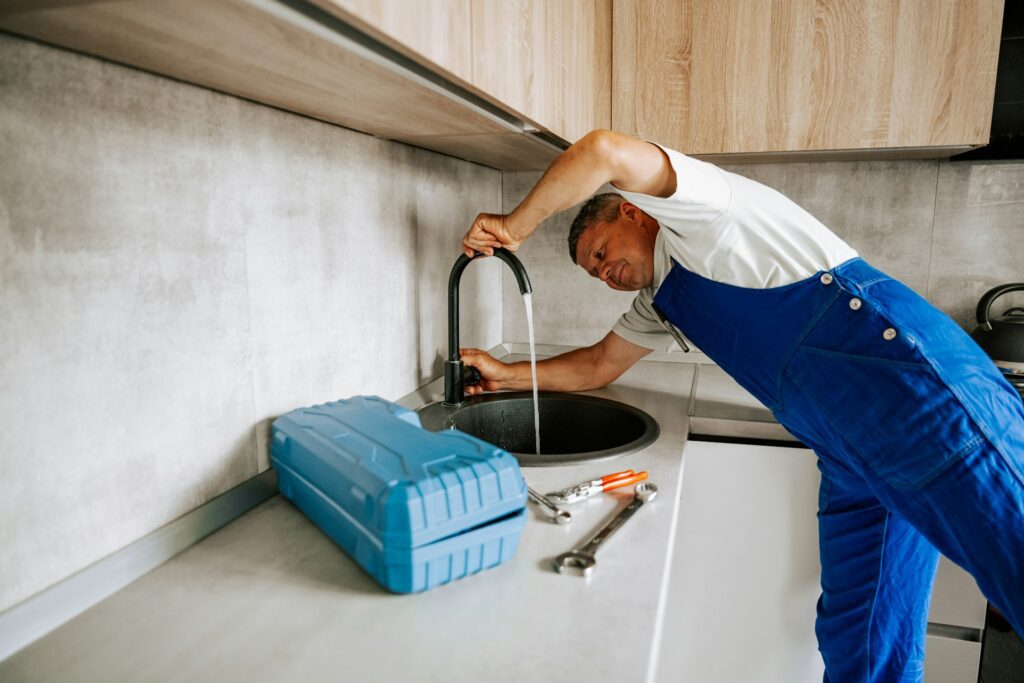
Protect Your Home From Hidden Leaks and Costly Damage
Water has a way of finding every weak point in a home. A tiny drip under a sink or a slow leak in a basement wall can quietly turn into warped floors, stained ceilings, and unhealthy mold before anyone notices. For Lake Zurich homeowners, staying ahead of leaks is one of the smartest ways to protect a home’s value and safety.
At GreenStar HomePro, we serve Lake Zurich and the greater Chicago suburbs with a combination of plumbing repairs, water damage restoration, mold remediation, and carpet cleaning. Because we see the full picture from the first drip to the final cleanup, we know how quickly plumbing issues can turn into larger restoration projects, especially when water sits in basements and hidden cavities.
In this guide, we will walk through how leaks start, what warning signs to watch for, how professional leak detection works, and how to reduce the risk of basement floods and mold. You will also see how integrated plumbing and restoration services help you get honest answers and fast, practical solutions when you are facing water damage in Lake Zurich.
How Plumbing Leaks Lead to Water Damage and Mold
Most water damage in Lake Zurich tied to plumbing starts with a few common problems. None of these sound dramatic at first, but they can snowball into major repairs if they are ignored.
Typical issues we see include:
- Burst or cracked pipes during cold weather
- Failed washing machine or dishwasher supply lines
- Constantly dripping faucets or running toilets
- Clogged drains that push water where it should not go
- Sump pump failures during heavy rain or snowmelt
Some leaks are obvious, like a burst pipe spraying in a utility room. The more dangerous ones are the slow, hidden leaks that stay out of sight. Water can sneak:
- Behind drywall and insulation
- Under kitchen or bathroom cabinets
- Along joists and sill plates in the basement
- Around foundation cracks and utility penetrations
When materials stay damp, mold has exactly what it needs: moisture, minimal air movement, and organic surfaces like wood, paper backing on drywall, and carpet backing. That can lead to:
- Musty odors in certain rooms or closets
- Discolored spots on drywall or baseboards
- Soft or spongy flooring near bathrooms or kitchens
- Poor indoor air quality that aggravates allergies
Once water damage reaches this stage, you are often dealing with both plumbing repairs and restoration work like removing wet drywall, drying structural framing, and cleaning or replacing flooring. Because we handle both the plumbing and the cleanup, we can often save materials, reduce demolition, and shorten the time your home is disrupted.
Professional Leak Detection and Plumbing Repair Services
When you suspect a leak, guessing at the source or cutting random holes in walls can quickly become stressful and expensive. A structured leak detection process helps pinpoint the problem with far less mess.
Our typical approach includes:
- Visual inspection of fixtures, ceilings, walls, and floors
- Moisture meter readings to locate hidden wet spots
- Thermal imaging to track temperature differences that indicate moisture
- Tracing water paths from stains or puddles back to their origin
Once we know what is leaking, we can recommend targeted repairs instead of patching symptoms. Common plumbing services we provide for Lake Zurich homeowners include:
- Repairing or replacing leaking or corroded pipes
- Fixing leaky faucets, shower valves, and running toilets
- Replacing brittle or failed supply lines to appliances and fixtures
- Clearing clogged drains that are causing backups or overflows
- Addressing sump pump issues, from jammed floats to pump replacement
During inspections, we focus on straight talk. That means:
- Explaining what we find in plain language
- Showing you affected areas whenever possible
- Laying out repair options and likely outcomes
- Helping you decide whether a repair or full replacement is the better long-term choice
Because we also see how leaks affect drywall, flooring, and framing, our assessments keep the bigger picture in mind, not just the pipe in front of us.
Preventing Basement Floods and Costly Water Emergencies
Basements in Lake Zurich and many nearby suburbs are especially vulnerable to water issues. High groundwater, heavy Midwest storms, aging drain tile systems, and older sump setups all add risk. When a sump pump or drain system cannot keep up, water can enter through cracks, floor joints, and utility penetrations.
Key plumbing-related steps that help reduce basement flood risk include:
- Regular sump pump inspections to confirm the pump actually runs under load
- Timely pump replacement before failure, not after
- Installing or maintaining a battery backup pump system
- Adding or maintaining backwater valves to prevent sewer backups
- Ensuring discharge lines run away from the foundation, and stay clear of ice or debris
- Keeping floor drains open and functional
Good planning makes a big difference when storms roll through or snow melts quickly. Resources like this home flooding prevention and recovery guide can help you understand how exterior grading, gutters, and landscaping work with your plumbing to keep water away from your home.
When these systems are maintained, the payoff is significant. You are less likely to face:
- Sudden standing water in the basement
- Saturated carpet and padding
- Swollen baseboards and ruined drywall
- Extended dehumidification and mold remediation projects
Preventive plumbing work is usually far less expensive and disruptive than full water damage restoration, especially when you factor in the cost of lost finishes, furniture, and personal belongings.
Integrated Plumbing, Water Damage Restoration, and Mold Prevention
When a pipe bursts or a supply line lets go, a lot can happen in a short time. Water can run across floors, seep down to lower levels, and soak walls and insulation. If multiple contractors are involved and not coordinated, you can lose valuable time while water continues to spread.
A typical emergency response from our team follows a clear path:
- Stop the water at the source by shutting off and repairing the leaking line or fixture
- Extract standing water from floors, carpets, and affected rooms
- Remove or protect vulnerable items like area rugs and furniture
- Set up structural drying with air movers and dehumidifiers
- Monitor moisture levels until wood, drywall, and concrete are at acceptable levels
- Apply mold prevention steps in at-risk areas
Because plumbing repair, water extraction, structural drying, and mold prevention are handled under one roof, you are not left coordinating different companies while worrying about ongoing damage. Everything from the first cut on a damaged pipe to the last pass of a carpet cleaner is planned together.
To help homeowners feel confident about the process, we recommend including several visual elements on the website:
- Before/after photos of a leaking pipe under a kitchen sink, followed by a neatly repaired line and restored cabinet base
- A flooded basement with visible standing water, shown side-by-side with the same space dry, cleaned, and put back together
- Real job-site images of our team using moisture meters, pulling wet carpet, or setting drying equipment
These images, along with customer comments mentioning plumbing repairs and restoration work, help show what our process looks like in real homes, not just on paper.
Real Results, Local service area, and Common Questions
For Lake Zurich homeowners, seeing work done in similar neighborhoods builds trust. On a website, it helps to group photos and feedback in a clear way, for example:
- A gallery of plumbing-related before/after repairs, such as supply line replacements, under-sink fixes, and sump pump upgrades
- A section showing carpet cleaning and water damage restoration results following plumbing failures
- Short customer review excerpts that mention fast response, clear explanations, fair pricing, and how we handled both the leak and the cleanup
Since we are based in the Chicago suburbs, quick dispatch to Lake Zurich, as well as nearby communities, limits how far water can spread before the drying process starts. Highlighting a simple service area map can reinforce that help is nearby. On the site, embedding a Google Map with our location and typical service radius gives homeowners an easy way to confirm we cover their neighborhood.
Along with photos and maps, a practical FAQ section helps answer the questions most people have when they are worried about water damage in Lake Zurich:
- How do I know if I have a hidden plumbing leak?
Watch for warning signs such as unexpected spikes in your water bill, soft or discolored spots on ceilings or walls, bubbling paint, musty odors, or areas of flooring that feel warm, cool, or spongy. If something seems off, a professional moisture inspection can confirm whether water is present behind finished surfaces.
- Who should I call first for water damage, a plumber or a restoration company?
If active water is flowing, you need someone who can stop the leak at the source, and begin mitigation quickly. Working with a team that handles both plumbing and restoration means one call addresses both sides of the problem instead of waiting on multiple schedules.
- Can small leaks really cause mold, and how fast does it grow?
Yes, even slow drips can support mold growth when materials stay damp. Mold can start developing on wet surfaces in a relatively short period, especially in dark, enclosed spaces like wall cavities, under cabinets, and behind baseboards.
- Will my homeowners insurance cover plumbing leaks and resulting damage?
Coverage varies by policy and by the cause of the damage. Sudden and accidental events, such as a burst pipe, are more likely to be covered than long-term neglect or wear and tear. It is important to review your policy and talk with your insurer. We can document affected areas to help you communicate clearly with your adjuster.
- How quickly should I act after a pipe bursts or a sump pump fails?
Water spreads quickly and starts soaking into building materials right away, so acting as soon as you notice the problem is important. The faster the water is stopped, extracted, and dried, the better your chances of saving drywall, flooring, and structural components and reducing mold risk.
- What does an honest plumbing assessment from GreenStar include, and how much does it cost?
An honest assessment focuses on finding the true source of the leak, explaining what failed and why, and outlining realistic repair options with their pros and cons. Costs depend on access, the type of repair needed, and whether water damage cleanup is involved, but our goal is always to be clear up front so there are no surprises.
Taking leaks, moisture issues, and basement water seriously from the first sign of trouble is one of the best ways to avoid larger repairs down the road. By pairing plumbing repairs with water damage restoration, mold prevention, and basement flood protection, GreenStar HomePro helps Lake Zurich homeowners keep their homes safer, drier, and in better shape for years to come.
Protect Your Lake Zurich Home From Costly Water Damage Today
If you are facing water damage in Lake Zurich, our team at GreenStar HomePro is ready to respond quickly and help prevent further problems. We thoroughly assess the affected areas, remove moisture, and restore your home so you can feel confident about its safety again. Reach out anytime to discuss your situation or schedule service through our contact us page.