
Why Black Mold in Hidden Spaces Is So Dangerous
Black mold in basements, garages, and attics is not just an ugly stain on a wall. It is a living organism that feeds on moisture and organic materials, and it can quietly spread in parts of the home that families do not check often. When we talk about black mold, we are usually referring to dark, often slimy or fuzzy growth that thrives where it is damp, stagnant, and poorly lit.
Spaces like basements, crawlspaces, storage rooms, garages, and attics give mold exactly what it wants: high humidity or chronic dampness, plenty of materials like wood, drywall, cardboard, and insulation to feed on, and limited airflow with low natural light.
The health concerns are serious, especially for kids, older adults, and anyone with asthma or allergies. Many people experience coughing, wheezing, and chest tightness, along with a stuffy nose, sneezing, and itchy eyes. Others notice headaches and fatigue that seem to worsen at home, plus musty odors that never quite go away.
Over time, mold can also damage structural materials. It can weaken wood framing, stain and soften drywall, ruin insulation, and destroy stored belongings like clothes, books, and furniture. That kind of hidden damage can hurt your property value and make future repairs far more expensive.
Homes near the lakefront around Winnetka often deal with extra moisture from higher humidity, lake-effect weather, and seasonal temperature swings. Older properties can be especially vulnerable because of aging foundations, older roofing, and outdated ventilation. This combination makes professional black mold removal in Winnetka, IL, an important step in protecting both your family’s health and your investment in your home. For more information please refer to: Medical studies published by the National Library of Medicine which is black mold exposure to chronic respiratory conditions.
How to Spot Black Mold in Basements, Garages, and Attics
Knowing what to look for is half the battle. Each part of the home has its own common moisture sources that can lead to mold problems. The U.S. Environmental Protection Agency (EPA) warns that mold often grows in hidden, moisture-prone areas of homes.
In basements, mold often follows seepage through foundation walls or floors, hairline or larger foundation cracks, sump pump failures or overwhelmed drain tiles, and persistently high humidity paired with poor ventilation.
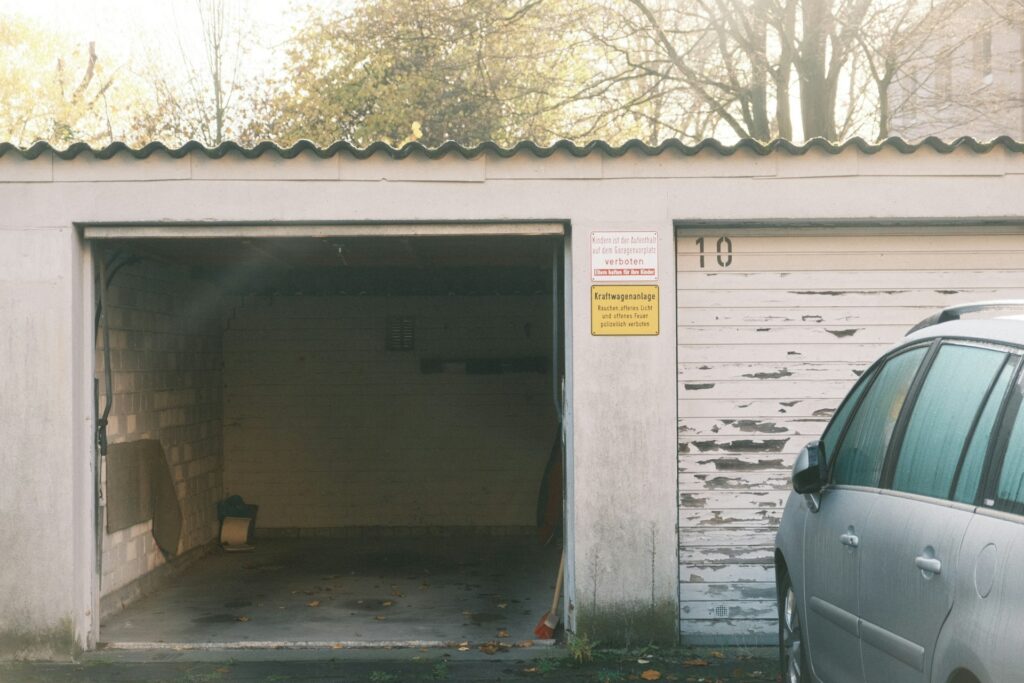
In garages, we often see issues related to roof leaks around flashing or damaged shingles, snow and ice melting off vehicles and pooling on the floor, poor drainage near the garage door threshold, and unheated spaces that trap damp air.
Attics are a frequent problem area because of roof leaks around chimneys, vents, and valleys, ice dams that back water up under shingles, and poor ventilation that traps warm, moist air. Another common trigger is bathroom exhaust fans that vent into the attic instead of outside.
Visually, black mold might show up as:
• Black, dark brown, or dark green spots or speckles
• Streaks creeping along walls, joists, or rafters
• Fuzzy or velvety patches on wood, drywall, or insulation
• Warped wood, peeling paint, or yellow-brown water stains
There are also hidden warning signs that often show up before you see visible mold. A persistent musty or earthy smell, especially after rain, can be a clue. Some homeowners notice allergy or asthma symptoms that ease when they leave the house, or they see condensation on basement or garage windows. Stored boxes, rugs, or cardboard may also feel damp or smell off.
As a first step, homeowners can safely:
• Look for discoloration on walls, ceilings, and around windows
• Check around plumbing lines, sump pumps, and water heaters
• Inspect attic spaces with a flashlight if it is safe to enter
If you see widespread staining, suspect mold in multiple rooms, or smell strong musty odors without a clear source, that is the point to stop and bring in a professional. DIY mold testing kits can be confusing, because airborne mold spores are almost always present at some level. A kit might show growth in a petri dish, but it will not tell you how serious the problem is or where the moisture source is hiding. A professional inspection from an experienced team can give you a clearer picture of what is really happening in your home.
Dangers of DIY Black Mold Removal and Store-Bought Sprays
Many homeowners reach for bleach or a mold spray as soon as they spot black mold. The problem is that disturbing mold incorrectly can make matters worse. Scrubbing or pulling down materials without proper containment can release a large number of spores into the air, where they can travel through your HVAC system and settle in rooms that were clean before.
Store-bought sprays and bleach have real limitations. They mostly treat the surface rather than mold roots inside porous materials, and bleach can discolor surfaces while leaving deeper colonies alive. In some cases, over-wetting materials can actually feed mold growth later.
There are safety concerns too. Without the right respirator, eye protection, gloves, and clothing, you risk inhaling spores or getting them on your skin and in your eyes. Tools, shop vacs, and clothing used in one area can easily carry mold spores into the rest of the home.
We often see the same DIY mistakes in basements, garages, and attics:
• Painting or priming directly over mold stains
• Tearing out moldy drywall or insulation without sealing off the space
• Running fans or standard dehumidifiers that blow spores into other rooms
• Bagging debris in thin trash bags that tear or leak dust
There are rare cases where a homeowner might safely handle a very small, surface-only area, such as a few inches of light mold on a hard, non-porous surface. Even then, it is important to work carefully, wear basic protection, and make sure the moisture source is fixed. If you see extensive growth, mold on porous materials, or any signs that health symptoms are worsening, that is the time to arrange professional black mold removal in Winnetka, IL instead of trying to handle it alone.
Professional Mold Remediation Process Homeowners Can Trust
A thorough professional assessment looks beyond what you can see. During an inspection, a trained team will typically:
• Check moisture levels in walls, floors, and ceilings
• Use tools like thermal imaging to look for hidden dampness
• Examine attics, basements, and crawlspaces for leaks and ventilation issues
• Review past water events like flooding, roof leaks, or sump pump failures
Once there is a clear plan, safe remediation usually follows a step-by-step process:
• Setting up plastic containment barriers around the affected area
• Using negative air machines and HEPA filtration to keep spores from spreading
• Carefully removing contaminated materials like drywall, insulation, carpet, and padding
• Cleaning and treating remaining structural surfaces with professional-grade products
• Running HEPA air scrubbers to help capture airborne spores during and after removal
Reputable companies treat safety as a priority. That includes proper personal protective equipment, sealed disposal bags or containers, and procedures to protect clean rooms as work is being done. The goal is not only to remove visible mold, but also to reduce the overall spore load in the home and stop cross-contamination.
Mold removal without fixing moisture is only a short-term bandage. Long-lasting results depend on addressing underlying issues, such as:
• Improving interior and exterior drainage
• Maintaining sump pumps and drain tiles
• Repairing roof and flashing leaks
• Sealing cracks and gaps in foundations or around windows
• Upgrading insulation and attic or basement ventilation where needed
At GreenStar HomePro, we work with homeowners and businesses in Winnetka and nearby suburbs to address both mold growth and the moisture problems that allowed it to take hold in the first place. That combination is what helps make black mold removal in Winnetka, IL more effective and long lasting.
Keeping Mold From Coming Back After Remediation
Once mold has been removed, prevention becomes the priority. Controlling moisture is the single most important step.
Smart long-term moisture control often includes:
• Keeping indoor humidity in a healthy range with dehumidifiers when needed
• Making sure gutters and downspouts are clear and move water away from the foundation
• Checking grading so water flows away from the home, not toward it
• Fixing small leaks right away instead of waiting
Different areas of the home need tailored prevention steps. For basements, it helps to seal or repair foundation cracks and gaps, test sump pumps regularly and keep drain tiles clear, and avoid wall-to-wall carpet in high-risk or historically damp areas.
In garages, you can reduce mold risks by brushing off excess snow before pulling vehicles inside, squeegeeing or sweeping standing water toward floor drains, sealing gaps where rain or snow can blow in, and improving airflow with vents or appropriate openings.
Attics stay healthier when there is balanced intake and exhaust ventilation, and when roof surfaces and flashing are checked for signs of leaks. It also helps to insulate properly to reduce ice dams and condensation, and to vent bathroom and kitchen fans directly outdoors rather than into the attic.
Storage habits also matter. Mold loves cardboard and fabric stored on cool concrete floors. Safer practices include using plastic bins instead of cardboard boxes, keeping boxes on shelves or pallets rather than directly on the floor, and leaving space between stored items and exterior walls for air circulation.
Regular home checkups help catch problems early. Periodic visual inspections of basements, garages, and attics, combined with professional carpet cleaning in finished lower levels, can reveal moisture issues or early mold growth before it turns into a major project.
Take Action Now to Protect Your Home and Health
Black mold in attics, basements, garages, and storage areas is easy to ignore because it often grows out of sight and out of mind. Yet it can quietly affect indoor air quality, irritate allergies and asthma, and slowly damage the structure and contents of your home. Hidden mold problems rarely stay small if the underlying moisture issue is not resolved. According to the Centers for Disease Control and Prevention (CDC), exposure to indoor mold can cause serious respiratory and health issues.
If you notice musty odors, dark stains, recurring water marks, or unexplained respiratory symptoms that seem to worsen at home, it is important to take those signs seriously. Document what you see with photos, avoid disturbing suspected mold, and keep people and pets away from heavily affected areas as much as possible. With careful inspection, appropriate black mold removal in Winnetka, IL, and smart moisture control, homes can return to being safe, healthy, and comfortable spaces for the people who live in them.
Get Started With Your Project Today
If you suspect mold in your home, we can inspect, contain, and safely remediate the problem before it spreads further. Learn how our proven process for black mold removal in Winnetka, IL protects your property and the people who live in it. At GreenStar HomePro, we focus on thorough cleanup and long-term prevention so you can move forward with confidence. Reach out today to discuss your situation or schedule a visit through our contact us page.