
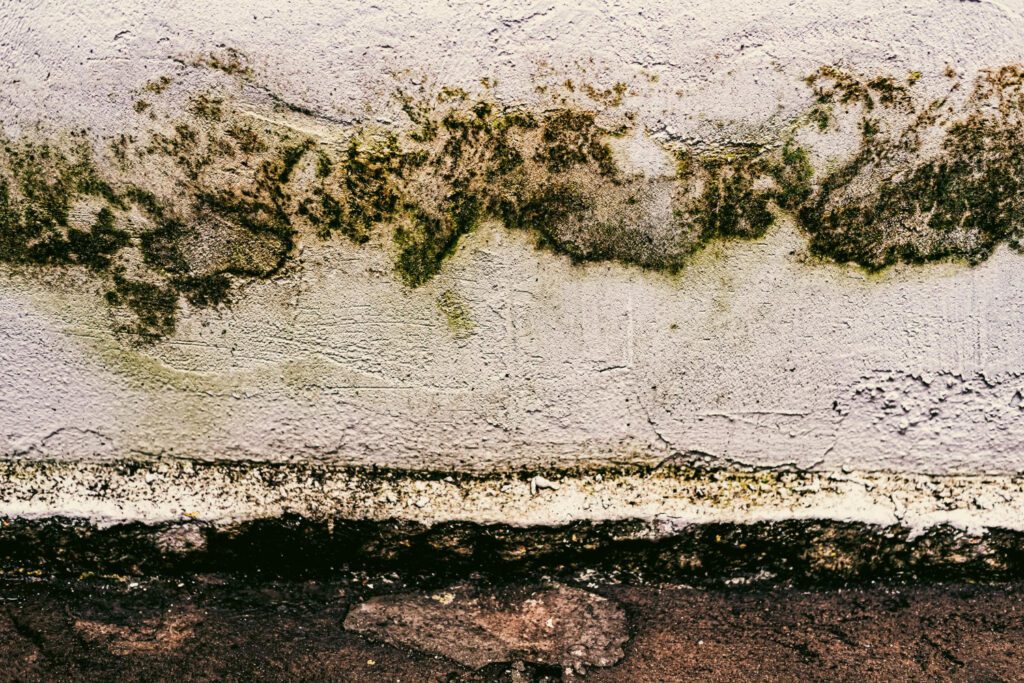
Protecting Your Home From Hidden Crawl Space Damage
Crawl spaces under Winnetka and North Shore homes often stay out of sight, but they have a big impact on comfort, health, and long-term property value. With lake-effect humidity, frequent wet weather, and many older homes built on tight lots, these areas are especially prone to moisture, hidden leaks, and mold growth. When problems start in the crawl space, they rarely stay confined there.
Uncontrolled moisture can lead to mold, wood rot, higher energy bills, and even foundation issues. Air from the crawl space often moves upward into living areas, so what happens below your floors can directly affect indoor air quality and allergy symptoms. At GreenStar HomePro, we help Chicago-area homeowners and property managers control these risks with professional mold remediation, water damage restoration, and cleaning services.
In this guide, we will walk through why crawl spaces develop mold and water damage, the warning signs to watch for, what a professional mold removal process looks like, and how to protect the space long term. If you are concerned about mold removal in Winnetka, this overview will help you decide what you can check yourself and when it is time to bring in a trained team.
Why Crawl Spaces Develop Mold and Water Damage
Crawl spaces in the Chicago suburbs face several common moisture sources. Any one of these can start a problem, and they often show up in combination. Typical causes include:
• Groundwater seepage after heavy rain or snowmelt
• Poor grading or drainage that directs water toward the foundation
• Slow plumbing leaks or failed fittings above the crawl space
• Hairline foundation cracks that allow dampness to enter
• Unsealed or broken vents that let in humid outdoor air
• Long, humid Chicago-area summers that keep surfaces damp
When moisture enters and ventilation is poor, crawl spaces create ideal mold conditions. There are plenty of organic materials available, including wood framing, subfloor, paper-backed insulation, and dust. Add darkness and sustained dampness, and you have a space where mold can spread across surfaces instead of staying in one small spot.
Many of the first clues show up in the living areas above, not in the crawl space itself. Homeowners often notice musty or earthy odors that do not disappear with regular cleaning, along with floors that feel uneven, bouncy, or sagging. Rooms may feel cold and drafty in winter or clammy in summer, and people may experience increased allergy or respiratory symptoms at home. In some cases, homeowners also see cupping or warping of hardwood floors.
Mold is not only a cosmetic concern. Spores and byproducts can irritate the nose, throat, and lungs, especially for people with allergies or asthma. Young children, seniors, and anyone with a compromised immune system may be more sensitive to mold-related indoor air quality issues. Over time, persistent moisture can also weaken wood framing, which raises safety concerns and repair costs.
Spotting Crawl Space Mold and Water Damage Early
Early detection is one of the best ways to keep crawl space problems from turning into a major mold removal project. There are a few things homeowners can safely look for without trying to perform full remediation on their own.
If you can access the area safely and without squeezing through tight openings, you might notice:
• Dark or discolored staining on joists, beams, or subfloor
• Damp or sagging insulation batts, sometimes falling out of place
• Visible standing water or damp soil
• Rust on metal ductwork, support posts, or fasteners
• White, chalky deposits (efflorescence) on foundation walls
Even if you never go into the crawl space, there are subtle clues that often point to moisture problems below. Persistent musty smells (especially after rain), higher indoor humidity that makes the home feel muggy, condensation on interior windows or HVAC equipment, and increased pest activity are all common signals that a damp, dark area may be developing problems.
That said, DIY inspection has real limits. Crawl spaces are confined and can have low oxygen, poor lighting, electrical hazards, or weakened framing that is not obvious at first glance. Disturbing mold growth without proper containment can also send spores into other parts of the home.
It is time to consider professional mold removal in Winnetka or nearby suburbs when:
• Moisture keeps returning even after you think you have dried the space
• You suspect structural damage, such as significant sagging or wood decay
• Visible mold growth extends beyond a small, isolated patch
• Occupants experience recurring health symptoms that improve when away from home
Step-by-Step Crawl Space Mold Removal and Cleanup
Safe, effective crawl space mold remediation involves more than spraying a product and walking away. A professional process is designed to protect both the workers and the occupants while addressing the true source of the problem.
The first priority is safety and containment, which typically includes:
• Wearing proper personal protective equipment for mold work
• Isolating the crawl space from living areas with barriers
• Setting up negative air pressure and HEPA filtration to help keep spores from spreading
Once the space is contained, a typical professional remediation plan may include:
• Detailed inspection and moisture mapping to find all wet areas
• Mold sampling when appropriate, based on conditions and goals
• Removal and bagging of heavily contaminated materials such as ruined insulation or debris
• HEPA vacuuming of surfaces to collect settled spores and dust
• Thorough surface cleaning with appropriate methods for wood and masonry
• Application of antimicrobial treatments to help address residual mold on cleaned materials
Drying is just as important as physical mold removal because if surfaces stay damp, mold may return even after cleaning. For that reason, we use commercial-grade dehumidifiers sized for the space and air movers to circulate air across wet surfaces, and we confirm progress with moisture meters and monitoring to ensure levels are back in a safe range before the space is closed up.
Proper documentation is another key part of the process. Photos, moisture readings, and service notes create a record that can be helpful for insurance discussions if water damage is part of a covered loss, real estate transactions where buyers or inspectors ask about past mold issues, and long-term maintenance planning so you can track how conditions change over time.
Restoring and Protecting Your Crawl Space After Water Damage
Once mold has been remediated and the crawl space is dry, the focus shifts to restoration and prevention. Addressing only the visible mold without fixing water issues almost guarantees a repeat problem.
Water damage restoration usually begins with:
• Extracting any remaining standing water or saturated materials
• Assessing wood framing and subfloor for warping, rot, or structural concerns
• Removing damaged insulation, vapor barriers, or debris that hold moisture
From there, repair and restoration options can include:
• Replacing compromised insulation with moisture-aware products
• Reinforcing or replacing damaged wood components as needed
• Sealing penetrations where pipes, wires, or ducts pass through
• Addressing affected HVAC or ductwork so it does not continue to spread damp air
For long-term moisture control, many homeowners in the Chicago suburbs consider:
• Grading and drainage improvements to move surface water away from the foundation
• Sump pumps or drainage systems where groundwater is a recurring issue
• Vapor barriers on the crawl space floor to limit ground moisture
• Encapsulation systems that fully separate the crawl space from outside air
• Sealed vents and properly sized dehumidifiers to maintain stable humidity
Working with a local company that regularly handles mold removal in Winnetka and nearby communities helps ensure that solutions are suited to our climate, soil conditions, and common building styles. What works in a dry region may not hold up through a humid Midwest summer or a wet spring thaw.
When to Call GreenStar HomePro for Help
Some crawl space issues can be managed with basic upkeep, but certain red flags point to the need for immediate professional attention. These include standing water or heavy dampness that does not dry out quickly, widespread visible mold across multiple surfaces, strong persistent musty odors in the home, and health symptoms that reliably worsen when you are at home and improve when you are away.
When we assess a crawl space, our goal is to understand both the visible mold and the underlying moisture sources. A typical visit may involve:
• On-site inspection of the crawl space and accessible foundation areas
• Moisture and humidity readings in multiple locations
• Digital imaging to document conditions and identify hidden wet spots
• A detailed plan that covers mold remediation, water damage restoration, and practical prevention steps
Working with a professional restoration team can mean faster drying, less disruption, and a lower chance of mold coming back. It can also simplify communication with insurance and help protect your home’s resale value by showing that problems were handled in a documented, professional way.
Take Control of Your Crawl Space and Protect Your Investment
Crawl space mold and water damage may feel overwhelming, but they are manageable when addressed early. A combination of thorough removal, careful drying, and smart moisture control can turn a damp, unhealthy space into a dry, stable part of your home.
We encourage homeowners to be proactive by:
• Scheduling periodic visual checks of basements and accessible crawl spaces
• Watching indoor humidity and using dehumidification where needed
• Addressing drainage and grading issues promptly after heavy rains
• Paying attention to musty odors, new drafts, or changes in floor levels instead of ignoring them
By understanding how crawl spaces work and what puts them at risk, you can make informed decisions about mold removal in Winnetka and throughout the Chicago area. When in doubt, partnering with experienced professionals helps protect both your indoor air and the long-term value of your property.
Protect Your Home And Health With Expert Mold Removal Today
If you are seeing signs of moisture, staining, or musty odors, now is the time to schedule professional mold removal in Winnetka. At GreenStar HomePro, we assess the source of the problem, contain the affected areas, and remove mold safely to help protect your home and indoor air quality. Our team walks you through each step so you understand what needs to be done and why. Ready to take action today? Contact us to schedule an inspection.