
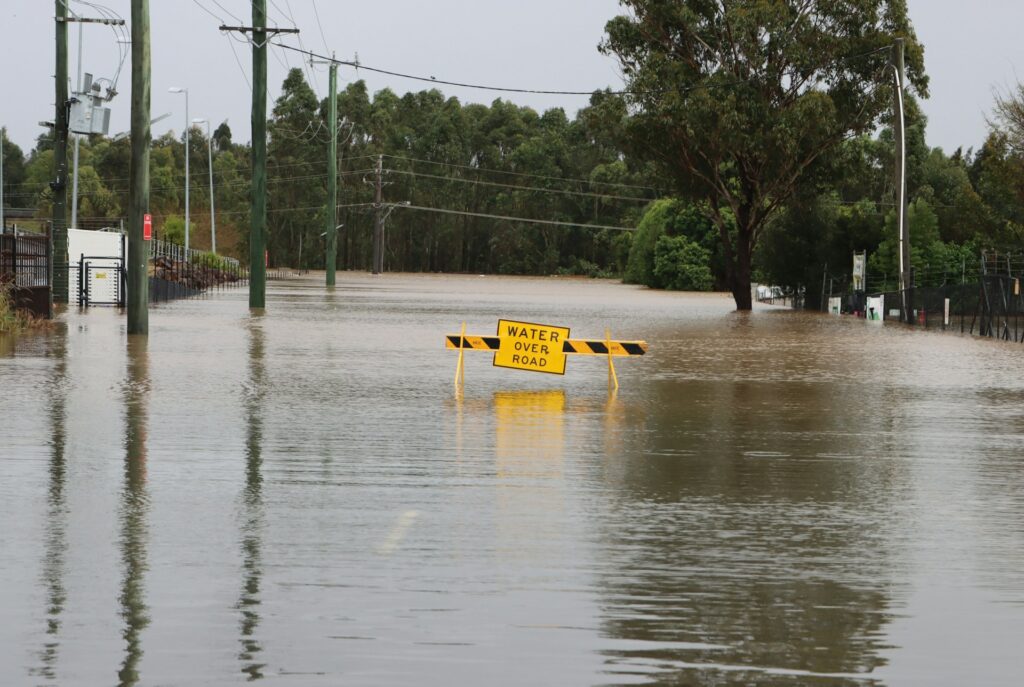
Regain Control After a Flood: Why Speed Matters
Flooding in your home or business can go from a wet floor to serious structural trouble in a short amount of time. Within hours, water can seep into drywall, subfloors, and insulation. Within days, mold can begin to grow, odors intensify, and building materials may start to warp or break down. Acting quickly is the difference between a focused cleanup and a long, expensive restoration.
Water extraction is the first major step after you stop the source of flooding. It means removing as much standing and absorbed water as possible from floors, carpets, and building materials, so the drying process can actually work. Effective extraction sets the stage for everything that follows, including drying, cleaning, and repairs.
At GreenStar HomePro, we provide professional water damage restoration services for homes and businesses in Chicago and surrounding communities, including water extraction in Northbrook, IL. Our team uses advanced equipment to remove water and protect your property so it can be safely restored.
First Safety Checks Before Any Water Extraction Begins
Before anyone starts pulling water out of a flooded space, safety has to come first. Floodwater and electricity do not mix, and even clean water can hide hazards like sharp debris, loose flooring, or contaminated materials. When it is safe to do so, power to the affected area should be shut off at the breaker panel. If you suspect damage to electrical wiring or outlets, it is safer to wait for a qualified professional. Gas lines and appliances should also be treated with caution when there is significant flooding.
Personal protective gear is important, especially if the source of water is unknown or may be contaminated. Basic protections include waterproof boots with good traction, gloves, and at least a basic mask. For sewage or suspected contamination, more advanced protection is needed, which is one reason many property owners choose to bring in a professional restoration team.
Another early step is to understand where the water is coming from. Some of the most common sources we see include:
- Burst or leaking pipes
- Sump pump failures
- Roof or window leaks during heavy rain
- Overflowing appliances or plumbing fixtures
- Sewage backups or storm drain issues
Stopping the source of water is essential before meaningful extraction begins. If a pipe is still leaking, or groundwater is still entering through a foundation crack, the problem will keep getting worse even as you remove water.
It is also smart to document the damage early for insurance purposes. Photos and short videos of each affected room, along with close-ups of damaged belongings, are helpful. Many property owners create a simple list that notes:
- Items that are wet or damaged
- Approximate age or value of key belongings
- Areas where water reached the highest point
Contacting your insurance company early, along with a restoration company, can make the claim process smoother. When we respond to a water damage call, we often help property owners understand what information adjusters typically look for and how to keep documents organized.
Professional Water Extraction Step by Step
Once the area is safe and the water source is under control, professional water extraction in Northbrook, IL, begins with an inspection. Our technicians start by identifying which rooms are affected and how far the water has traveled. Moisture readings are taken in floors, walls, and ceilings using specialized meters. We also consider the types of materials involved, such as carpet and pad, hardwood, laminate, tile, drywall, and insulation.
Another important part of the inspection is understanding the category of water. Clean water usually comes from supply lines or certain appliance leaks. Gray water may contain soaps, dirt, or minor contaminants from places like washing machines or dishwashers. Black water is considered highly contaminated and may contain sewage or floodwater from outside. The category of water helps determine how aggressively materials need to be cleaned or removed.
For actual extraction, we use different tools depending on the situation. Truck-mounted extractors are powerful units that pull large volumes of water out of carpets and hard surfaces. Portable extractors are useful for tighter spaces or upper floors. Submersible pumps handle deeper standing water, such as in basements or heavily flooded rooms. In some cases, specialty tools help draw out water from inside carpet pads or from hard-to-reach areas.
As we remove water, we separate items that are clearly unsalvageable from those that can potentially be cleaned and restored. Items heavily affected by contaminated water are handled carefully to avoid spreading pollutants to cleaner areas. At the same time, we start initial cleaning steps, such as wiping down hard surfaces and applying appropriate cleaning agents where needed. Taking care of contamination early supports a safer environment for the rest of the restoration process.
Drying, Dehumidifying, and Preventing Mold Growth
Once bulk water is extracted, the space might look better, but it is still holding a lot of hidden moisture. That is when drying and dehumidification come in. We position air movers to create strong airflow across wet surfaces. This airflow helps pull moisture out of materials like drywall, wood, and concrete. Commercial dehumidifiers then capture that moisture from the air and drain it away, bringing humidity down to a safe range.
Proper placement of this equipment is not random. We plan airflow paths so that air movers work together instead of against each other. Dehumidifiers are placed where they can process the most air effectively. Furniture and contents may be raised, moved, or tented with plastic to improve drying around and under them.
Daily moisture monitoring is a key part of this phase. Our technicians use tools such as:
- Moisture meters to check walls, floors, and structural materials
- Hygrometers to track humidity levels in the air
- Thermal cameras to help spot hidden pockets of moisture behind surfaces
These readings let us adjust fan positions, add or remove equipment, and confirm that everything is moving in the right direction. Drying is considered successful when materials reach drying goals that are appropriate for the building and local conditions.
Thorough water extraction in Northbrook, IL combined with controlled drying greatly reduces the chances of mold growth. Mold thrives in damp, untreated areas. By lowering moisture levels quickly and maintaining them, we limit the environment that mold needs. Good drying also helps prevent warped hardwood floors, peeling finishes, and long-term structural issues that can arise when moisture lingers inside walls or subfloors.
Cleaning, Damage Assessment, and Restoration Planning
Cleaning and sanitizing become more detailed once the drying strategy is in place. Depending on the type of water and materials affected, we may apply antimicrobial solutions to surfaces that were wet, especially in areas at higher risk for microbial growth. HEPA vacuuming is often used on floors, walls, and contents to capture fine particles and help improve indoor air quality.
Some porous materials cannot be safely restored after certain types of water damage. Common examples that may need removal include:
- Carpet padding that has been saturated
- Wet insulation inside walls or ceilings
- Sections of drywall that have swelled, crumbled, or absorbed contaminated water
Removing these materials helps the structure dry more thoroughly and reduces the chance of hidden problems later.
As the space stabilizes, we assess what can be restored and what needs replacement. Flooring, cabinetry, furniture, and personal belongings are evaluated based on how deeply they were affected and the type of water involved. Our goal is to save what we reasonably can while being honest about what will not perform well or stay safe over time.
This is also when the focus shifts from emergency response to longer-term restoration planning. We coordinate with the property owner and, when needed, other contractors to outline repairs. That may include replacing drywall, repainting, reinstalling flooring, and addressing any structural impacts revealed during drying. Timelines will vary depending on the size of the loss, material availability, and insurance approvals, but clear communication helps property owners know what to expect as their property is brought back to normal.
When to Call the Pros for Water Extraction in Northbrook, IL
Some minor water issues can be handled with towels and household fans, but many situations call for professional help. DIY efforts are often risky or insufficient when:
- Water has spread across multiple rooms or levels
- You see signs of sewage or strong, unpleasant odors
- Water is coming from unknown sources inside walls or ceilings
- A sump pump has failed and a basement or crawl space is flooded
- The property has been wet for more than a short period of time
Without the right extraction and drying equipment, water can remain trapped inside materials long after surfaces feel dry. That hidden moisture can lead to mold, odors, and long-term damage that costs more to correct later. Professional technicians bring tools, training, and a systematic process that shortens drying time and helps protect both the structure and your belongings.
As a local company serving Chicago and nearby communities, GreenStar HomePro focuses on providing water damage restoration that is thorough and responsive. Our work is designed to support a smoother experience with insurance and to help protect properties against future problems related to the same incident. For homeowners and business owners who experience flooding, fast and professional water extraction in Northbrook, IL is an important first step toward getting back to normal.
Restore Your Home With Fast, Professional Help Today
If water has damaged your property, we can quickly step in to contain the problem and protect your home. Our specialists provide prompt, thorough water extraction in Northbrook, IL so you can avoid lingering moisture, odors, and structural issues. Reach out to GreenStar HomePro today to discuss your situation and schedule service, or contact us for immediate assistance.