
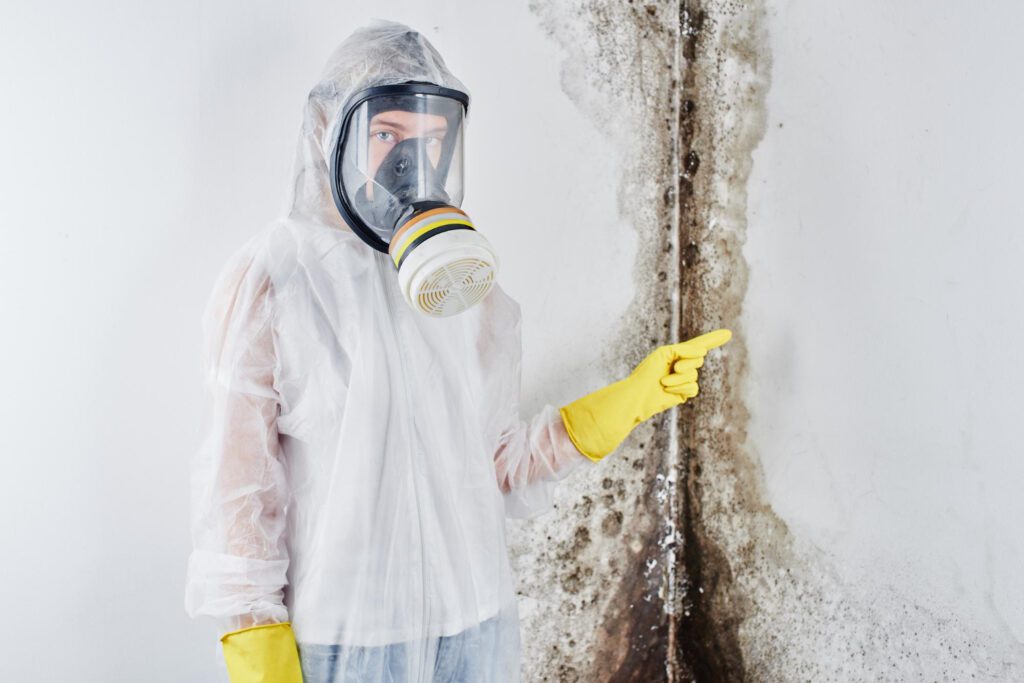
When Mold Is Visible, You Already Have Your Answer
Mold worries a lot of Highland Park homeowners, and for good reason. It looks bad, smells worse, and can point to moisture problems that quietly damage your property. When people first notice mold spots or a musty odor, many jump straight to ordering lab tests because they think that is the only “official” way to know what they are dealing with.
Here is the reality we see every day as restoration professionals: if you can see mold growing on surfaces or smell a persistent musty odor, you already know enough to take action. You do not need to spend extra money on lab reports just to confirm what your eyes and nose are already telling you. Even the U.S. Environmental Protection Agency explains in its guide, A Brief Guide to Mold, Moisture and Your Home, that visible or smelly mold is reason enough to correct moisture and clean it up.
It helps to understand the difference between “mold testing” and a practical mold inspection in Highland Park. Mold testing usually means:
- Taking air samples to count spores
- Collecting swabs or tape lifts to send to a lab
- Getting back a report listing mold types and numbers
A real-world inspection is something else entirely. It is about:
- Finding where moisture is coming from
- Identifying which materials are affected
- Deciding how to remove contamination safely and prevent it from returning
Many homeowners and business owners assume testing is step one. In reality, experienced pros often start with inspection and moisture control, because those are the steps that actually solve the problem.
What Professional Mold Inspection Really Includes
A good mold inspection in Highland Park is much closer to detective work than it is to lab science. The focus is on your rooms, your building materials, and your moisture issues, not on pages of lab data.
Here is what a thorough inspection should typically include:
- Visual assessment of walls, ceilings, floors, windows, and trim
- Checking areas with past or current water damage
- Moisture readings in building materials, not just surface checks
- Inspection of closets, basements, crawl spaces, and attics
- Looking at accessible HVAC components that can distribute spores
We pay close attention to patterns. Brown stains on a ceiling tile tell a different story than speckled growth along baseboards. Peeling paint near an exterior wall suggests something different from fuzzy spots behind furniture on an interior wall.
Finding the source of moisture is just as important as finding the mold. During a professional inspection, we look for:
- Active plumbing leaks and slow drips
- Roof or window leaks that show up as stains or soft drywall
- Condensation problems around cold surfaces or in humid rooms
- Past flooding that was not dried properly
With those clues, we can map the likely spread of contamination. Often, we can determine the scope of the issue just by combining moisture readings, physical damage, and visible growth. In many cases, that is enough to create a clear plan for how much material to remove, what to clean, and how to protect occupants during the work.
The goal is not to impress anyone with scientific jargon. The goal is:
- A step-by-step remediation plan
- A clear outline of containment and safety measures
- Practical recommendations to keep mold from coming back
Lab tests might sound more official, but an on-site inspection is what actually guides the work that protects your health and property.
Why Extra Mold Testing Rarely Changes the Plan
Another common misconception is that different types of mold always require different cleanup strategies. People hear scary names and worry that they need special, more expensive treatment once a lab identifies a certain species. In real-world restoration, that is rarely true.
Most common indoor molds are addressed using the same basic principles:
- Control and correct the moisture source
- Isolate the work area with proper containment
- Remove heavily contaminated porous materials that cannot be cleaned
- Clean remaining surfaces and dust with methods designed for fine particles
- Filter the air with HEPA equipment during the process
- Dry the structure thoroughly
Typical testing methods include air sampling and surface swabs. While these can provide a snapshot of what is in the air or on a surface at a particular moment, they often do not change the on-site plan. If we already know there is visible mold and moisture-damaged drywall, we are going to recommend removing that material and fixing the leak regardless of the lab report.
Even when a lab report lists many mold types, the cleanup usually follows the same steps. We are still:
- Containing the area
- Protecting occupants and workers
- Removing damaged materials
- Cleaning and drying thoroughly
So if the actions do not change, then paying for extra rounds of testing often only adds cost, not value, to a typical project. That is why responsible companies are careful about when they suggest lab work, instead of using it as an automatic upsell.
When Mold Testing Makes Sense and When It Doesn’t
This does not mean mold testing is always unnecessary. There are situations where lab analysis can make sense and genuinely help.
Testing can be appropriate when:
- There is a legal dispute or need for third-party documentation
- An insurance company specifically requests lab results as part of a claim
- A building is large or complex, such as multifamily or commercial spaces
- A doctor has given a patient specific medical guidance that calls for testing
- There is a need to compare conditions before and after remediation in a formal way
In those cases, testing supports documentation and communication among multiple parties. It is not that the cleanup methods suddenly change, but the paperwork becomes more important.
On the other hand, consider a typical Highland Park home, condo, or small business. If you can see mold on basement walls or smell a strong musty odor in a room with a known roof leak, you already have what you need to justify action. In that scenario:
- The moisture source is clear or strongly suspected
- Visible growth confirms contamination
- Damaged materials are clearly identifiable
In that type of case, it usually makes more sense to invest in a careful mold inspection in Highland Park and a solid remediation plan, rather than spending the same budget on unnecessary testing.
For everyday residential situations, inspection and moisture control are essential. Testing is often optional and should be reserved for those special circumstances where documentation or medical direction calls for it.
How to Protect Your Budget and Health in Highland Park
When you talk with a contractor about mold, the questions you ask can make a big difference in both cost and outcome. A trustworthy professional should be comfortable focusing on inspection, source control, and a clear scope of work, not just pushing lab tests.
Consider asking questions like:
- How will you find and confirm the moisture source?
- What areas will you inspect, and how do you decide the boundaries of the work?
- Can you provide a written scope of work before starting remediation?
- When do you recommend mold testing, and why in those situations?
- How will you protect the rest of the home or business during cleanup?
If someone suggests a lot of testing without first doing a careful visual and moisture inspection, that is a red flag for your budget. The money you might be tempted to spend on extra lab reports can often be redirected toward proven protections, such as:
- Proper containment to keep spores and dust from spreading
- HEPA air filtration to capture fine particles while work is underway
- Correct removal and disposal of contaminated materials
- Detailed cleaning of nearby surfaces and contents
- Thorough structural drying and humidity control afterward
These steps directly reduce the chance of ongoing issues and give you a more durable solution.
The key is finding a local expert in mold inspection in Highland Park who is open and honest about costs, explains their reasoning, and does not treat testing as an automatic must-have. Clear communication is often as important as any piece of equipment.
Take the Smart Route: Invest in Fixing the Problem, Not Just Testing
When it comes to mold in your home or business, lab tests can sound impressive, but they are not the heart of a successful project. If you already see or suspect mold, your priority should be a thorough inspection, effective moisture control, and a practical remediation plan tailored to your building.
Acting quickly when you notice musty odors, water stains, peeling paint, or visible growth helps you avoid more serious damage and larger repair bills later on. Focusing your budget on real solutions, rather than multiple rounds of testing that rarely change the plan, is one of the smartest choices you can make for your property and your health.
Protect Your Highland Park Home With a Professional Mold Assessment
If you have any concerns about hidden moisture or musty odors, schedule a thorough mold inspection in Highland Park and get clear answers about your property’s air quality. At GreenStar HomePro, we identify the source of the problem and provide a practical plan to keep your home safe and healthy. Reach out today to discuss your situation and timing, or use our online form to contact us for a prompt response.