
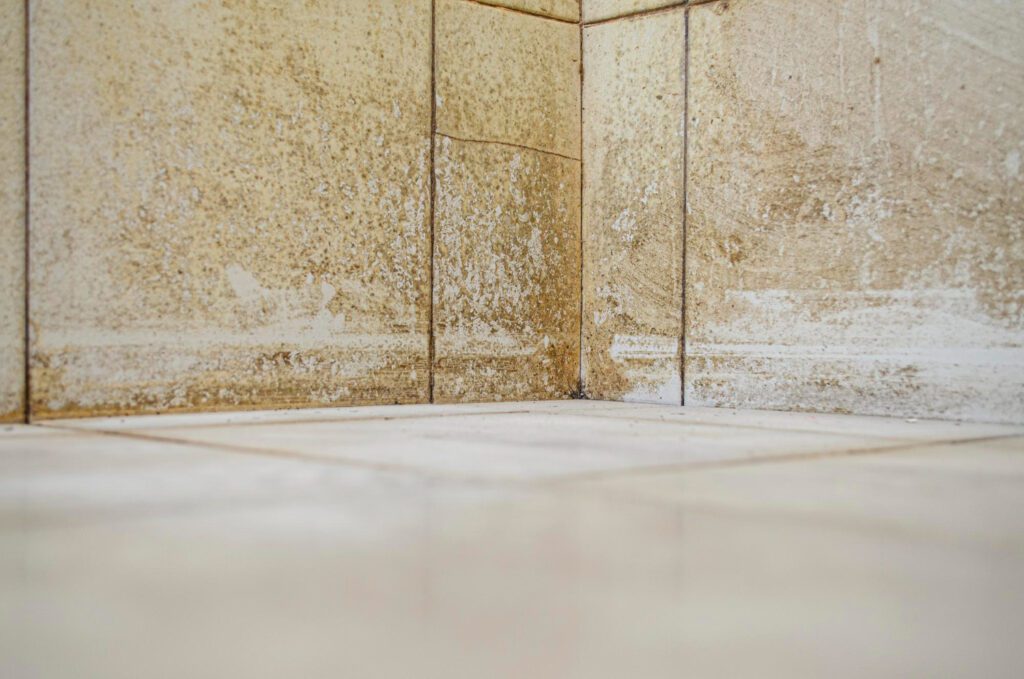
Why Bathroom Mold Demands Fast, Safe Action
Bathroom mold is more than an ugly stain on grout. In a Glencoe home, a small patch in the shower can turn into a bigger problem if it is ignored, especially in bathrooms that stay damp for long periods. Constant moisture from hot showers, limited ventilation, and porous surfaces like grout, caulk, and drywall create ideal conditions for mold to grow and spread quietly.
It also helps to know what you are looking at. Light gray or white film on tile is often mildew, which is usually easier to clean. Slimy or fuzzy growth that is dark green, black, or deep brown, especially on porous surfaces, can indicate more serious mold, including types that are often referred to as black mold. Telling the difference matters, because the wrong cleaning approach can smear spores around or push them deeper into materials.
Mold can cause musty odors, respiratory irritation, headaches, and allergy flare-ups for some people. Over time, it can soften drywall, stain tile and grout, and damage caulk and other finishes. When bathroom mold is heavy, keeps coming back, or shows up as black mold in multiple areas, that is often the point when professional mold remediation is recommended to help restore a healthier environment.
Spotting Bathroom Mold Before It Spreads
Catching mold early is one of the best ways to avoid expensive repairs. Bathrooms give mold plenty of hiding places, especially in older Glencoe homes with aging caulk, tile, or plumbing. It often starts where moisture lingers the longest or airflow is weakest.
Common spots to check include:
- Grout lines and caulk around tubs and showers
- Corners of shower stalls and around shower doors
- Under sinks, especially near drain lines and supply connections
- Behind or beside toilets where condensation drips
- Ceilings above the tub or shower, especially if paint is peeling
- Around bathroom exhaust fans and nearby ceiling drywall
Early warning signs of mold include:
- A stubborn musty or earthy smell that does not go away after cleaning
- Black, green, or dark brown specks or streaks on grout, caulk, or painted surfaces
- Peeling, bubbling, or cracking paint on walls and ceilings
- Soft, spongy, or swollen drywall near the shower or tub
- Stains that reappear soon after wiping them off
If you are doing a quick inspection, keep it simple and gentle. Look closely, use a flashlight, and focus on damp areas. Avoid aggressively scraping, sanding, or cutting into walls or ceilings if you see large or widespread mold, because this can send spores into the air and into other rooms.
Professional mold remediation in Glencoe should be strongly considered when:
- You smell mold but cannot find the source
- There has been recent water damage above or behind the bathroom
- Your home is older and has a history of leaks or condensation problems
- You see visible mold on drywall or in multiple corners of the bathroom
In those cases, trained technicians can inspect more thoroughly, locate hidden moisture, and plan safe remediation.
Proven DIY Techniques for Light Bathroom Mold
For very small areas of surface mold on hard, non-porous materials, careful DIY cleaning can be a reasonable first step. The key is to protect yourself and clean in a way that does not make things worse.
Always start with basic safety gear:
- Disposable or washable gloves
- Eye protection or safety glasses
- An N95 mask or similar respirator
- Good ventilation by running the exhaust fan and opening a window if possible
For minor buildup on tile, shower doors, or other non-porous bathroom surfaces, you can try:
- Detergent and warm water, then a thorough rinse and dry
- An EPA-registered household cleaner labeled for mold and mildew
- A diluted disinfectant, used exactly as directed on the product label
Apply your cleaner, let it sit for the recommended contact time, scrub gently with a non-scratch pad or a soft brush, then rinse and dry. Pay attention to corners and grout lines where residue can linger.
Grout and caulk need extra care. Use a soft or medium brush rather than metal tools that can gouge grout joints. Avoid heavy scraping that cracks or pulls out material, because damaged joints let water seep behind tiles. If caulk is permanently stained, crumbling, or mold shows up inside the bead, it is often better to cut it out carefully and replace it instead of scrubbing the surface repeatedly.
DIY has clear limits. It is generally only appropriate when:
- The affected area is small and on non-porous surfaces
- There is no sign of water damage to drywall, trim, or subfloor
- Odors are mild and improve after cleaning and drying
If mold comes back quickly, covers a larger area, involves drywall or ceilings, or coincides with a plumbing leak, that is typically when professional bathroom mold remediation in Glencoe is more appropriate.
When You Need Professional Mold Remediation
Some bathroom mold problems go beyond what a store-bought cleaner and a scrub brush can handle. At that point, continuing to rely on DIY solutions can be unsafe and can spread spores into other rooms.
Red Flags That Indicate a Need for Professional Help Include:
- Mold patches larger than a small spot, especially if they connect across walls or ceiling
- Growth returning days or weeks after multiple cleanings
- Recent or ongoing leaks from plumbing lines, shower pans, roofs, or upper floors
- Family members with asthma, allergies, or weaker immune systems who are reacting indoors
Professional remediation is a structured process designed to address both the mold and its moisture source. In Glencoe bathrooms, comprehensive mold removal typically focuses on:
- Moisture detection, including checking for leaks, condensation issues, or hidden damp areas
- Containment, such as using protective barriers and negative air to help keep spores from migrating
- HEPA air filtration, which captures airborne particles during cleaning and removal
- Safe removal and disposal of contaminated porous materials that cannot be restored
- Detailed cleaning of remaining surfaces, including HEPA vacuuming and damp wiping
Local professionals are familiar with the styles of homes in Glencoe and surrounding North Shore communities, which often have older tile work, unique layouts, and long-running plumbing systems. They also understand how Chicago-area weather and humidity can affect bathroom moisture, from chilly winters that encourage condensation to steamy summers that keep bathrooms damp longer.
When a bathroom mold situation checks more than one of those red-flag boxes, professional remediation is usually the safest, most reliable solution.
Preventing Bathroom Mold From Coming Back
Once visible mold has been cleared, the next step is making the bathroom less inviting to it. Prevention comes down to controlling moisture, improving ventilation, and staying ahead of small maintenance issues.
For Better Ventilation, Aim to:
- Use the exhaust fan during every shower and keep it running for at least 20 to 30 minutes afterward
- Open a window when the weather allows to promote cross-ventilation
- Leave the bathroom door slightly open after use to help humidity escape
- Clean and check the exhaust fan periodically so it runs efficiently
Moisture control habits make a big difference:
- Fix dripping faucets, loose supply lines, and sweating toilet tanks quickly
- Reseal or recaulk around tubs, showers, and sinks to keep water from seeping behind finishes
- Squeegee shower walls and doors after each use to remove standing water
- Wipe down wet surfaces, including window sills and corners, to prevent lingering dampness
A simple maintenance routine helps you catch problems early:
- Do a quick weekly clean of grout, caulk, and tight corners to spot new stains
- Once a month, check inside vanity cabinets and behind toilets for signs of dampness or moldy odors
- Each season, inspect for peeling paint, cracked caulk, loose tiles, or discolored drywall
If a bathroom seems to fight mold no matter what you do, upgrades can be worthwhile. Options include:
- Mold-resistant paint on ceilings and walls
- Waterproof backer board behind tile in high-splash areas
- Brighter lighting to make it easier to notice small issues early
- A small dehumidifier in particularly damp homes or in bathrooms that lack windows
These habits not only protect bathroom surfaces; they also support better indoor air quality for the whole home.
Protecting Your Glencoe Home From Bathroom Mold
Bathroom mold is one of those problems that rarely gets better on its own. Small, surface-level spots can often be handled with safe DIY cleaning, good ventilation, and better moisture control. However, when mold keeps returning, covers a larger area, or shows up as black mold on porous materials, it is important to move beyond household cleaners.
Prioritizing your family’s health, your home’s structure, and the long-term value of your property means taking mold seriously instead of hiding it under paint or masking it with air fresheners. For homeowners in Glencoe and across the Chicago area, working with qualified mold remediation professionals for bathroom and other damp spaces can provide a clearer path to lasting results and a healthier home.
Protect Your Glencoe Home From Dangerous Black Mold Today
If you suspect a mold problem, we can provide thorough inspection and safe, effective black mold removal in Glencoe to protect your property and health. At GreenStar HomePro, we use proven methods and professional-grade equipment to address the source of the issue, not just the surface stains. Reach out to our team with any questions or to schedule service through our contact us page.