
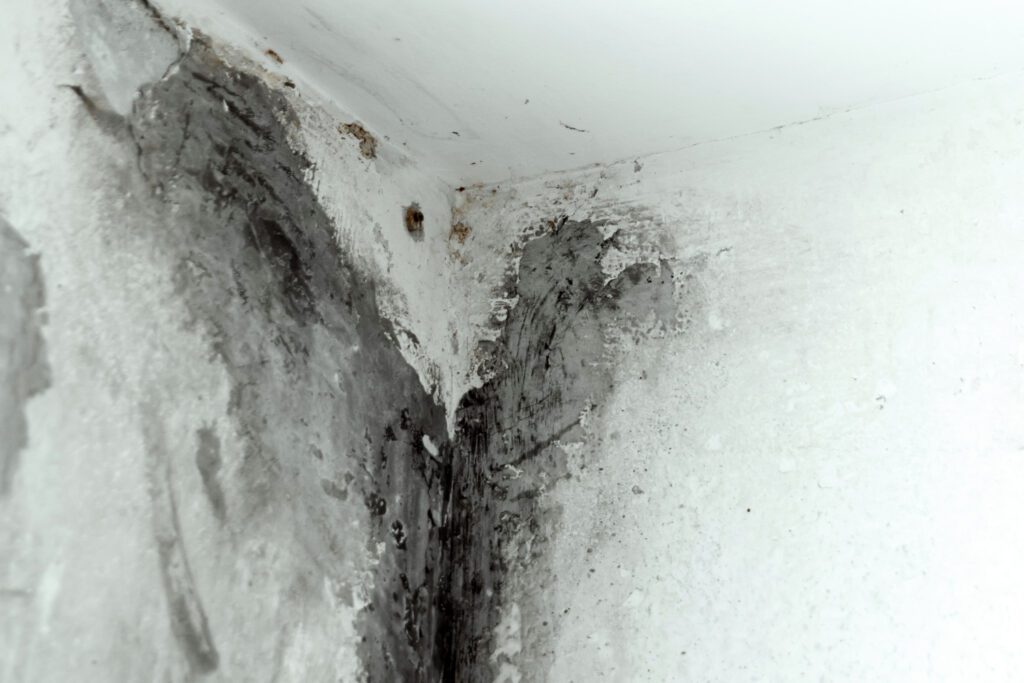
Why Mold Testing Matters for Your Health and Home
Mold in a home is more than an eyesore on a basement wall. Mold is a type of fungus that spreads through tiny airborne spores, settles on damp surfaces, and starts growing wherever it finds moisture, organic material, and the right temperature. In the Chicago area, we see a lot of the ingredients mold loves: humid summers, older basements, occasional flooding, and past plumbing or roof leaks that were never dried out properly.
When mold hides behind walls, under carpeting, or inside ductwork, it can affect the air you breathe every day. Many people first notice mold through allergy-like symptoms that just will not go away, such as sneezing, stuffy nose, itchy eyes, or irritated skin. Those with asthma, chronic respiratory conditions, young children, and older adults can be especially sensitive, sometimes noticing increased wheezing, chest tightness, or more frequent respiratory infections when mold is present indoors.
Mold does not just affect your health; it can slowly damage your home. Left alone, moisture and mold can stain surfaces, rot wood framing, damage drywall, and cause lingering odors that are hard to remove. Early mold testing gives you a chance to catch a problem before it turns into major structural repairs or long-term indoor air quality issues.
At GreenStar HomePro, we help homeowners and businesses across the Chicago region respond to water damage, remove mold, and keep spaces clean. Professional mold inspection in Highland Park and nearby communities is one of the ways we support a healthy, safe environment, especially when you suspect a problem but cannot see exactly where it is coming from.
Spotting the Warning Signs Before You Test
You do not need specialized tools to notice early warning signs that your home might have a mold issue. In many cases, your eyes and nose give you the first clues that something is wrong.
Common visual signs include:
- Brown, green, black, or gray discoloration on walls, ceilings, or baseboards
- Spots or streaks behind furniture that sits against exterior walls
- Fuzzy or slimy patches on basement walls or around window frames
- Staining or bubbling paint near plumbing fixtures, tubs, or showers
Non-visual signs often show up in everyday life. You might pick up a musty, earthy odor when you walk into the basement or a particular room. Family members may notice that allergy or asthma symptoms feel worse at home but improve when they are at work, school, or outdoors. Persistent coughs, headaches, or sinus problems that do not respond to treatment can sometimes be linked to indoor mold, especially when combined with other clues.
The condition of the building itself also tells a story. Red flags that should get your attention include:
- A history of water damage, even if it seems “fully dried”
- Recent flooding from heavy rain, snowmelt, or a burst pipe
- Roof, window, or plumbing leaks, including slow drips
- Condensation on windows and cold surfaces
- Damp basements, crawl spaces, or areas with poor ventilation
When you notice several of these signs at once, it is time to stop ignoring the problem and start investigating. The Environmental Protection Agency explains in its guide, A Brief Guide to Mold, Moisture and Your Home, that moisture control is the key to controlling mold. A targeted mold test or professional mold inspection in Highland Park or elsewhere in the Chicago suburbs can help you confirm what is happening and where it is coming from.
DIY Mold Testing: What You Can and Cannot Do Safely
Many homeowners like to begin with DIY mold testing to get some initial answers. There are a few common options, each with benefits and clear limits.
Popular DIY tools include:
- Store-bought mold test kits that collect air or surface samples
- Simple tape-lift samples pressed against suspicious spots
- Basic moisture meters to check for dampness in walls or flooring
These tools can sometimes tell you that mold spores are present or that a surface is damp. What they usually cannot do is give you the full picture. Results can be hard to interpret without a baseline, and there is a risk of false alarms if the sampling is not done correctly.
To give yourself the best chance of meaningful DIY results, it helps to prepare the space:
- Close windows and doors in the area you will test for at least a few hours
- Turn off fans or portable air cleaners so you are sampling typical indoor air
- Avoid heavy cleaning, dusting, or vacuuming for at least a day before testing
- Follow kit instructions closely, especially on how long to expose a test
Safety comes first. Whenever you are working near suspected mold, it is smart to wear disposable gloves and at least a simple mask to reduce exposure to spores. If you see a large area that looks moldy, avoid scraping or aggressively cleaning it on your own, since that can send spores throughout the room. Bleach may remove stains on some hard, nonporous surfaces, but it does not fix the underlying moisture or reach mold that has penetrated porous materials like drywall or wood.
DIY tests can provide a first clue, especially if you are trying to decide whether to look more deeply into a concern. They cannot replace a professional assessment when you have health symptoms, widespread staining, or a strong musty odor. In those situations, a full mold inspection in Highland Park or elsewhere by a trained team is the safer approach.
Professional Mold Inspections: How Experts Test and Diagnose
When we perform a mold inspection, we treat your home like a system, not just a few suspicious spots on a wall. The visit usually starts with a detailed visual walkthrough, where we look for staining, past repairs, warped materials, and any visible mold on surfaces and building materials.
From there, we use tools that help us see what the eye cannot:
- Moisture meters to check walls, ceilings, and floors for hidden dampness
- Infrared cameras that highlight temperature differences, often linked to moisture
- Air sampling equipment to measure mold spores in different rooms
- Surface sampling, such as swabs or tape lifts, from selected problem areas
The samples are analyzed by a laboratory that identifies the types of mold present and the number of spores in each sample. Lab reports usually compare indoor results to outdoor samples, which helps determine whether indoor levels are normal for the area or truly elevated. High indoor counts or the presence of certain mold types indoors can point to an active mold growth problem rather than a normal level of outdoor spores that happened to drift in.
Just as important as finding the mold is finding the moisture source that feeds it. During a professional inspection, we look for and document possible contributors such as roof leaks, cracks in the foundation, poorly sloped landscaping, plumbing issues, or inadequate ventilation in bathrooms and kitchens. Those findings, combined with lab data, guide a customized remediation and drying plan so you are not just cleaning up visible spots but addressing the root cause.
For Chicago-area homeowners, where temperature swings and seasonal moisture can be hard on buildings, a certified mold inspection in Highland Park or nearby communities can be especially helpful when symptoms are serious, mold appears in multiple rooms, or a home has a history of flooding.
What to Do After You Get Mold Test Results
Mold test results can look technical at first glance, but some basic terms show up in most lab reports. You will typically see:
- Mold types or genera identified, such as Cladosporium or Aspergillus
- Spore counts or ranges for each type found
- Notes on whether levels are “normal,” “elevated,” or “abnormal” indoors
“Elevated” or “abnormal” usually means indoor levels are clearly higher than what was found outdoors or higher than expected for a typical indoor environment. Certain molds indoors can also be a red flag, especially if they prefer very wet materials, because that points to ongoing leaks or chronic dampness.
If mold is confirmed, your next steps should focus on safety and containment. That may include:
- Keeping children, older adults, and those with asthma out of heavily affected areas
- Avoiding fans or aggressive air movement that can spread spores
- Closing doors to impacted rooms until a remediation plan is in place
Small, isolated spots on hard, nonporous surfaces can sometimes be cleaned carefully by homeowners following common safety guidelines, such as wearing protective gear and preventing cross-contamination. However, larger areas, mold in HVAC systems, or growth on porous building materials call for trained specialists like our team at GreenStar HomePro. Improper cleanup can spread spores into clean areas or leave mold behind the surface, where it simply grows back.
The most important step after testing and cleanup is dealing with the moisture problem that started it all. Fixing leaks, improving drainage around the foundation, adding or improving ventilation, and making sure wet materials are dried quickly after any water incident are the keys to preventing mold from returning.
Protect Your Home with a Smart Mold Prevention Plan
Once you understand how mold grows and how inspections work, prevention becomes much easier. You do not need fancy equipment to lower your risk of future problems, just consistent attention to moisture and airflow.
Practical mold prevention strategies include:
- Keeping indoor humidity as low as comfortably possible with fans or dehumidifiers
- Running bathroom and kitchen exhaust fans during and after showers or cooking
- Maintaining gutters and downspouts so water flows away from your foundation
- Regularly checking basements, attics, and crawl spaces for dampness or staining
- Drying spills and small water leaks within a day whenever possible
Because weather in the Chicago region can swing from heavy rain to deep cold, it helps to follow simple seasonal routines. After strong storms, check your roof, basement, and lower-level walls for any signs of water intrusion. In periods of snow and ice, watch for ice dams on the roof and condensation on windows that might signal high indoor humidity. After any plumbing incident or appliance overflow, confirm that walls, flooring, and cabinets are truly dry, not just on the surface.
Ongoing awareness, early testing when you notice warning signs, and professional mold inspection in Highland Park or surrounding communities when problems seem bigger than a simple DIY fix can all work together to protect your home and your health. By staying on top of moisture, responding quickly to water damage, and taking mold concerns seriously, you can maintain cleaner air, preserve your property, and feel more confident about the space where you and your family spend the most time.
Protect Your Home and Family With a Professional Mold Check Today
If you have noticed musty odors, recent water damage, or unexplained allergy symptoms, now is the time to schedule a thorough mold inspection in Highland Park. At GreenStar HomePro, we use detailed testing and proven remediation methods to identify issues early and stop mold from spreading. Let us evaluate your home, explain your options clearly, and create a targeted plan that fits your needs. To book an appointment or ask questions, simply contact us.