
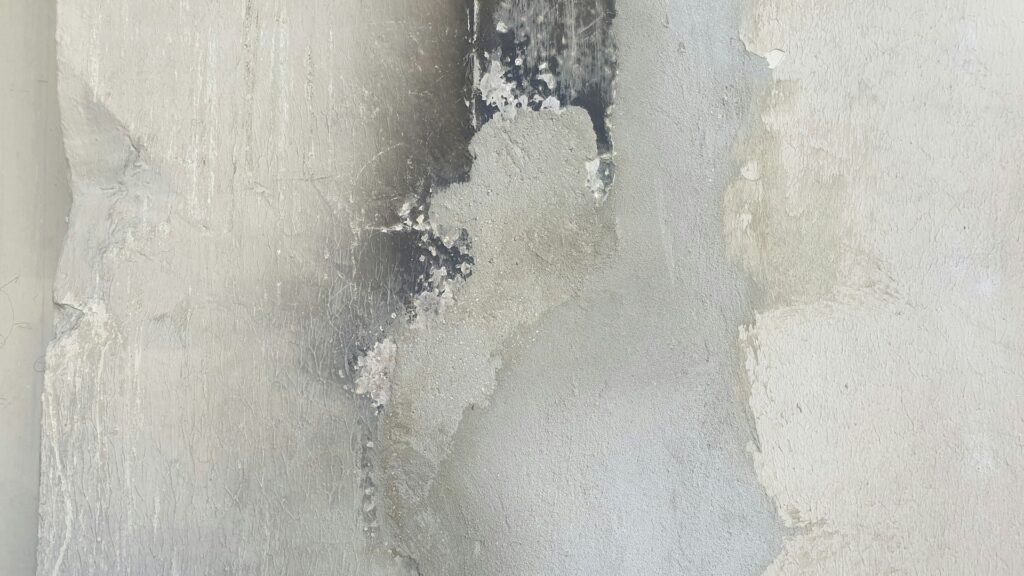
Why Hidden Mold Is a Serious Threat for Illinois Homes
Mold is a living organism that feeds on moisture and organic material, and the Illinois climate gives it plenty of opportunity to grow. Between humid summers, frequent rain, and homes with basements or older construction, properties across Chicago and nearby suburbs are especially prone to hidden mold problems. What starts as a small moisture issue behind a wall or under flooring can quietly turn into a serious indoor air quality concern.
When mold is left untreated, it can affect both health and property. People may experience respiratory irritation, allergy-like symptoms, or worsening asthma. Over time, mold can damage drywall, wood framing, carpet, and insulation, which can mean bigger repairs and more disruption. Mold does not always show up as large, obvious patches on the wall. It often hides in places you do not look every day and reveals itself through small, easy-to-miss clues.
Noticing these early warning signs can help you address the problem before it grows. Professional mold inspections and remediation services can help homeowners and businesses identify problems early and keep their spaces clean, safe, and protected.
Visual Clues on Walls, Ceilings, and Surfaces
One of the first things to watch for is any unusual change in the appearance of walls, ceilings, and other surfaces. Mold often appears as small spots or streaks that gradually spread. These patches can be black, dark green, gray, white, or even orange or brown, depending on the surface and moisture level. They may show up on drywall and ceilings, tile grout in bathrooms and kitchens, wood trim (including window frames and baseboards), or concrete and masonry in basements.
Paint problems can also be a sign that moisture and mold are active behind the surface. Bubbling or blistering paint, peeling or cracking areas that keep returning after repainting, and warped or wavy-looking drywall can all indicate that moisture may be trapped inside the wall. In moisture-prone areas like bathrooms, kitchens, basements, and laundry rooms, these issues deserve extra attention.
Condensation-prone areas are another common starting point for mold. Cold corners of rooms, exterior walls, and window frames often collect tiny water droplets. Over time, that moisture can support mold growth, even in very small clusters. Homeowners sometimes overlook thin dark lines around window sashes, tiny specks along caulk lines or grout joints, or light discoloration that looks like dust but does not wipe away clean.
If you see spots that keep coming back after cleaning, that is a strong sign that mold may be rooted deeper in the surface or behind it.
Musty Odors and Allergy-Like Symptoms Indoors
You can often smell mold before you see it. A persistent musty, earthy, or damp odor is one of the clearest signs that mold is growing somewhere nearby. This smell may be strongest in certain rooms, such as a basement, bathroom, or a particular closet, and it may linger even after you clean thoroughly, run fans, open windows, or use air fresheners or scented products.
If the odor always seems to return, it likely means the source has not been addressed.
Health symptoms can also point toward hidden mold. Some people are more sensitive than others, but common issues include:
- Sneezing, coughing, or congestion that seems worse at home
- Itchy or watery eyes
- Headaches or fatigue
- Worsening asthma or breathing challenges indoors
Patterns are important. If you or a family member feels better at work, school, or on vacation, then starts to feel worse again after coming home, indoor mold could be a factor. In cases like this, a professional mold inspection can help confirm whether mold is part of the problem and where it might be hiding.
Moisture Problems That Invite Mold Growth
Mold needs moisture to grow, so any water issue in a home should be treated as a warning sign. If your property has had recent water damage, it is especially important to watch for mold in the weeks and months afterward. Common sources include:
- Basement or crawl space flooding
- Roof leaks that leave wet insulation or stained ceilings
- Plumbing leaks behind walls, under sinks, or in ceilings
- Appliance leaks from water heaters, washers, refrigerators, or dishwashers
- Sump pump failures or drainage problems around the foundation
Visible moisture clues are just as important. You may notice brown or yellow water stains on ceilings or walls, damp or musty-smelling carpets in basements or lower levels, warped or cupped hardwood floors, or window sills that stay damp and develop peeling paint and discoloration.
Ventilation plays a big role, too. Bathrooms without a working exhaust fan, kitchens with heavy cooking moisture, or laundry rooms where dryers are not vented properly can all create a damp environment. If your windows are frequently foggy, or if indoor humidity feels high even in cooler weather, hidden mold may be starting to grow behind finishes, inside walls, or around insulation.
Hidden and Structural Warning Signs You Should Not Ignore
Sometimes mold reveals itself through changes in how your home feels rather than how it looks. If building materials have been exposed to moisture for a while, they can begin to weaken. Signs to pay attention to include:
- Soft, spongy, or crumbly drywall
- Baseboards that are separating from the wall or buckling
- Warped trim, door frames, or window frames
- Doors or windows sticking in areas that have had past water issues
These changes can mean that wood and drywall are absorbing moisture and potentially developing mold inside or behind the surface.
Less-visible spaces are some of the most common hiding spots for mold. It is worth checking closets that back up to bathrooms or exterior walls, under-sink cabinets in kitchens and bathrooms, crawl spaces or areas under stairs, behind large furniture placed against exterior walls, and unfinished basements and attics with limited airflow. If you notice a musty smell when you open a closet or cabinet, or see discolored items stored in cardboard boxes, mold may already be active.
Your HVAC system can also spread mold spores through the home if there is growth in or near the ductwork. Warning signs include:
- Musty odors when the furnace, AC, or fan first turns on
- Dark or discolored dust on or around supply vents
- Odors that seem to move from room to room with airflow
Because it is difficult to see inside ducts and equipment without proper tools, professional testing or inspection is especially important if the source of the smell or symptoms is unclear.
When to Call Professionals
Some small surface mold on non-porous materials, like a little mildew on tile grout, can sometimes be handled with careful cleaning and better ventilation. However, there are clear situations where professional help is the safer choice. Consider professional assistance if:
- The affected area is more than a small patch or covers multiple surfaces
- Mold keeps coming back after cleaning
- There is a strong, persistent musty odor
- Your home has had recent or repeated water damage
- Anyone in the household has asthma, allergies, or a weakened immune system
Professional mold remediation is about more than wiping away visible spots. A thorough process typically includes:
- Detailed inspection of visible areas and high-risk spaces
- Locating and addressing the moisture source so mold does not return
- Setting up containment so spores do not spread to clean parts of the home
- Using HEPA air filtration to help capture airborne particles
- Removing contaminated materials when needed and cleaning affected surfaces
- Verifying that affected areas are dry and that remediation is complete
Qualified restoration and remediation companies use specialized equipment to dry out affected areas, improve air quality, and remediate mold growth. Whether you need full remediation or an inspection to investigate early warning signs, the goal is to keep your property as clean, safe, and protected as possible.
Take Control of Mold Before It Spreads
The sooner you recognize early mold warning signs, the easier it usually is to fix the problem. A simple walk-through of your home can make a real difference. Take a few minutes to check basements, bathrooms, kitchens, laundry areas, and any spots that have had leaks or water issues. As you check, look and smell for:
- New or spreading spots, streaks, or discoloration
- Peeling paint, warped walls, or soft materials
- Musty odors in specific rooms, closets, or cabinets
- Condensation on windows and persistent moisture on surfaces
Acting early can help limit structural damage, reduce potential health risks, and improve indoor air quality for everyone in the home, including pets. By staying alert to these subtle clues, homeowners across Illinois can catch mold problems before they turn into major repairs and long-term indoor air concerns.
Protect Your Home And Health With Expert Mold Detection
If you have noticed musty odors, recent water damage, or unexplained allergies, now is the right time to schedule a professional mold inspection in Highland Park. At GreenStar HomePro, we use detailed inspection methods to pinpoint issues early so you can avoid costly repairs and protect your indoor air quality. Reach out today through our contact us page so we can assess your home and recommend the right next steps.