
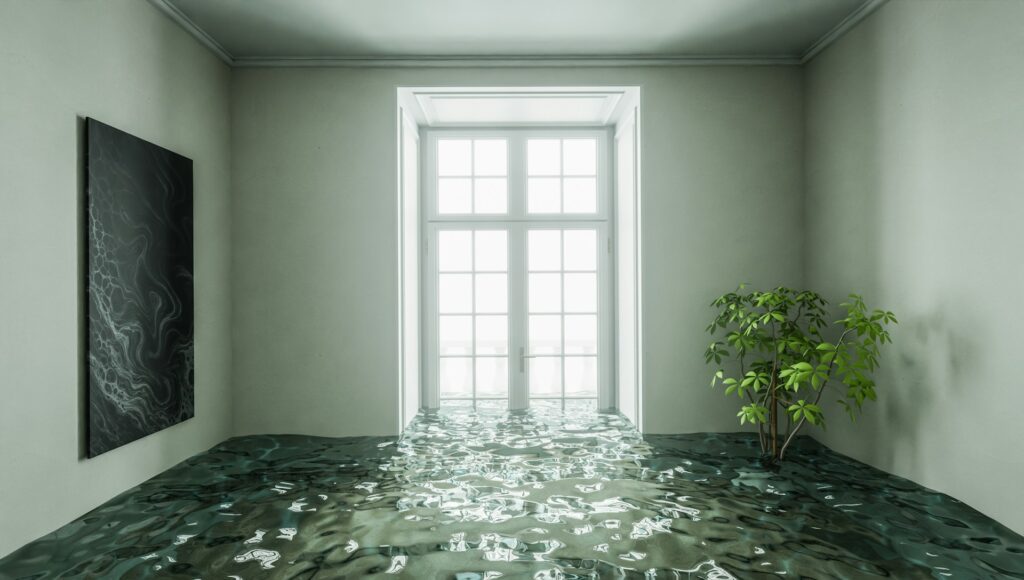
Water damage in a Bannockburn home rarely starts with a dramatic flood. Far more often, it begins with a slow drip in a wall, a tiny crack in the foundation, or a roof leak that only shows up during a heavy rain. By the time stains or musty odors appear, a lot of damage may already be done. That is why understanding the hidden causes of water issues is one of the best ways to protect your home, your health, and your wallet.
At GreenStar HomePro, we help homeowners across the Chicago area deal with water damage, mold problems, and difficult cleaning challenges. From what we see in Bannockburn homes, early awareness is everything. In this article, we will walk through where hidden moisture comes from, what warning signs to watch for, and how services like water damage restoration and mold testing in Bannockburn can help you stay ahead of serious problems.
Why Bannockburn Homes Face Hidden Water Risks
Bannockburn combines a Midwestern climate, mature trees, and a mix of older and newer homes. That combination can quietly raise the risk of water damage. Heavy rains, wet springs, and snowmelt put constant pressure on roofs, foundations, and drainage systems. When that moisture finds a way in, it often seeps into places you cannot easily see.
Many Bannockburn houses have features that add charm but can also hide issues, such as finished basements, complex rooflines, and extensive landscaping. Thick plantings around the home may trap moisture against siding or restrict airflow. Older plumbing and roofing materials are more likely to fail slowly rather than all at once.
When leaks and dampness go unnoticed, they can lead to:
- Soft or decaying wood inside walls and floors
- Damage to insulation, drywall, and paint
- Persistent musty odors and poor indoor air quality
- Conditions that support mold growth, sometimes only found through mold testing in Bannockburn
By understanding the most common sources of hidden water damage, we can act earlier and know when it is time to involve professionals.
Roof, Gutter, and Exterior Issues That Let Water in
Your roof and exterior are your first line of defense against water. When they age or are not maintained, moisture can slip through in subtle ways. Bannockburn homes see plenty of rain, wind, and snow, and that weather wears on exterior materials over time.
Common roof and exterior problems include:
- Aging or damaged shingles that allow rain and snowmelt to soak into the roof deck
- Cracked or deteriorated flashing around chimneys, vents, and skylights
- Clogged gutters and downspouts that overflow along the roof edge and siding
- Gutters that do not pitch correctly, causing standing water and spillover
When gutters overflow, the water often ends up right against your siding and foundation. Over months and years, that moisture can work into basements and crawl spaces. Cracked siding, loose trim, and failed caulking around windows and doors all create paths for water to move inward.
Sometimes, the only early clues are small:
- Water stains on ceilings or along upper walls
- Peeling or bubbling paint around windows
- Icicles or ice dams in winter that hint at poor insulation and uneven roof temperatures
- A faint musty smell in certain rooms, which may lead you to consider mold testing in Bannockburn
Regular inspection of the roof, gutters, and exterior sealants is one of the simplest ways to keep outdoor moisture from becoming an indoor problem.
Plumbing Failures and Appliance Leaks Inside the Home
Not all water damage comes from outside. Many Bannockburn homes experience hidden moisture from plumbing and appliances inside the house. Because pipes are often behind walls, above ceilings, or under floors, small leaks can go unnoticed for a long time.
Typical indoor sources of water damage include:
- Frozen or burst pipes during cold snaps
- Pinhole leaks in copper or other plumbing lines
- Aging hoses on washing machines, dishwashers, and refrigerators
- Loose connections at sinks, toilets, and ice makers
Slow leaks in bathrooms and kitchens are especially common. Water can seep from shower doors, tub surrounds, and grout lines into subfloors and nearby walls. Over time, wood framing can rot and drywall can crumble, even if surfaces still look fairly normal.
Homeowners should keep an eye out for signs such as:
- Unexplained increases in water bills
- Soft, spongy, or warped flooring near sinks and appliances
- Bubbling, cracking, or peeling paint on walls or ceilings
- Persistent odors or visible spotting that may justify mold testing in Bannockburn
When these signs appear, professional drying and targeted repairs are usually needed to fully correct the problem and prevent repeated damage.
Basement, Foundation, and Groundwater Intrusion
Basements in Bannockburn are especially vulnerable because of soil conditions, frequent rain, and seasonal snowmelt that raises groundwater levels. Even if you rarely see standing water on the floor, there can still be a chronic moisture issue affecting your foundation and lower-level living spaces.
Key sources of basement and foundation water intrusion include:
- Hairline and larger cracks in poured concrete or block walls
- Failing seals where utility lines, drains, or other penetrations enter the home
- Poor grading or landscaping that lets water pool along the foundation
- Window wells that collect water and leak into the basement
Sump pumps and drain tile systems are meant to control groundwater, but they are not fail-proof. A stuck float, a broken pump, or a power outage at the wrong time can quickly lead to a flooded basement during a storm. If drain tile is clogged or damaged, moisture can start seeping through slab joints or low points in the floor.
Even when water never rises high, constant dampness can leave:
- Efflorescence, the white chalky deposits on walls
- Flaking or spalling concrete
- Musty odors in storage areas or finished basements
- Conditions that require rapid water damage restoration if a heavier event occurs
Monitoring your basement regularly, especially after heavy rain, is one of the best defenses against serious structural issues.
Everyday Habits, Ventilation, and Hidden Moisture Buildup
Not all moisture comes from leaks. Everyday life creates a surprising amount of water vapor inside a home. Cooking, showering, drying clothes, and even breathing all add humidity to the air. If that moisture has no easy way out, it will settle on cooler surfaces and into hidden spaces.
Common everyday contributors to hidden moisture include:
- Bathrooms without working exhaust fans
- Kitchen range hoods that do not vent outside
- Blocked or disconnected dryer vents
- Closing supply vents or interior doors in ways that unbalance the HVAC system
When moist air hits cool surfaces, condensation forms on windows, in attics, and inside wall cavities. Inadequate insulation or poor air sealing often makes this problem worse. Over time, damp insulation, framing, and sheathing can support mold growth without any obvious sign on finished surfaces.
Chronic humidity problems might show up as:
- Persistent fogging on windows, especially in winter
- A general feeling of dampness or stuffiness in certain rooms
- Visible mold on baseboards, in closets, or behind furniture against exterior walls
- Recurring odors that lead homeowners to consider professional mold testing in Bannockburn to identify hidden issues
Improving ventilation, fixing exhaust fans, and having HVAC systems evaluated can greatly reduce everyday moisture buildup.
Taking Action to Prevent Damage and Protect Your Home
When we look at the full picture, hidden water damage in Bannockburn homes usually comes from a combination of exterior wear, plumbing issues, groundwater, and everyday humidity. Left alone, small problems often grow into major repairs that affect both structure and indoor air quality. Early detection and consistent maintenance are far less expensive and far less stressful than dealing with a large loss.
Practical steps homeowners can take include:
- Inspecting roofs, gutters, and downspouts at least a couple of times each year
- Checking under sinks, around appliances, and behind toilets for any sign of moisture
- Walking basements and crawl spaces after heavy rain to watch for seepage or damp spots
- Using exhaust fans while cooking and showering, and making sure they vent outdoors
- Watching for signs that suggest it might be time for water damage restoration or mold testing in Bannockburn
By staying alert to small changes, addressing moisture quickly, and turning to experienced professionals when problems appear, we can help keep Bannockburn homes safer, drier, and healthier for the long term.
Protect Your Bannockburn Home With Expert Mold Testing Today
If you have noticed musty odors, recent water damage, or unexplained allergy symptoms, now is the time to schedule professional mold testing in Bannockburn. At GreenStar HomePro, we use detailed inspection methods to identify moisture issues and hidden growth before it spreads. We will walk you through the results, explain your options, and recommend the right next steps for your home. To set up an appointment or ask questions about your situation, simply contact us.