
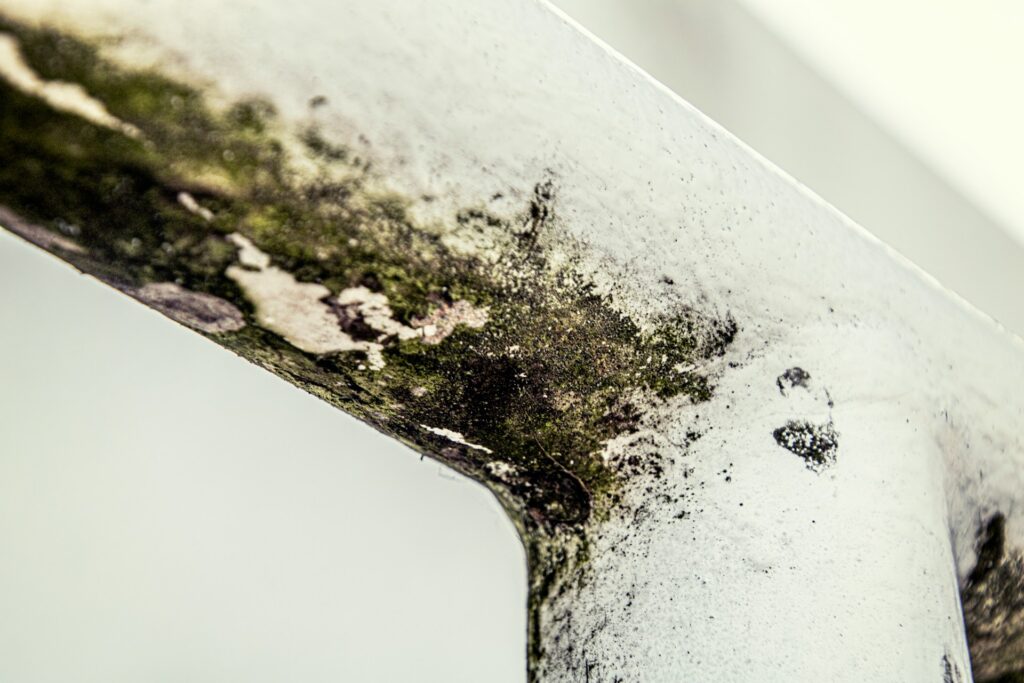
Protecting Your Evanston Home From Hidden Mold Damage
Mold problems in Evanston are more common than many property owners realize. Older homes, finished basements, and our proximity to Lake Michigan all add up to high humidity and more opportunities for hidden moisture. When small leaks or past water damage are not fully dried, mold can quietly grow behind walls, under flooring, or inside insulation.
If mold is ignored, it rarely stays small. It can stain and weaken building materials, create a persistent musty odor, and aggravate allergies or asthma. Long-term, mold issues can also raise concerns for buyers and home inspectors, which may affect property value. In this article, we will walk through how professional mold remediation actually works in Evanston, what influences the cost, how this compares with nearby suburbs such as mold removal in Libertyville, and when it makes sense to call in a team like ours at GreenStar HomePro.
How to Recognize Mold Problems in Evanston Properties
Mold is not always obvious. Sometimes it announces itself with a strong odor before you see any dark spots on walls or ceilings. Other times, the first sign is a patch of peeling paint or a section of drywall that suddenly looks warped.
Common red flags we see in Evanston and nearby suburbs include:
- Musty, earthy smells that are stronger in certain rooms or levels
- Dark or discolored spots on drywall, ceilings, or baseboards
- Warped drywall, bubbling paint, or separated trim
- Carpets or padding that stay damp or feel spongy
- Symptoms like sneezing or coughing that seem to worsen indoors
Many of these issues tie back to typical local causes:
- Ice dams and roof leaks leading to wet attic insulation
- Basement seepage after heavy rain, especially in older foundations
- Slow plumbing leaks in kitchens, bathrooms, or radiator lines
- Poor ventilation in bathrooms that allows moisture to linger
- Previous flooding or water intrusions that were dried only at the surface
- DIY water cleanup that did not include professional drying equipment
What looks like a small mildew stain on a bathroom ceiling can sometimes be the visible edge of a much larger problem. Mold can grow behind tile, under vinyl flooring, in wall cavities, or inside HVAC components where you cannot safely access or see it. A professional inspection helps determine whether it is a superficial surface issue or a deeper contamination that needs structured remediation rather than simple cleaning.
Step-by-Step Mold Remediation Process in Evanston, IL
Proper mold remediation is more than spraying a product and wiping a surface. Our goal is to remove active growth, address what caused it, and help prevent it from returning.
The process usually starts with an initial assessment and moisture investigation. We look for:
- Visible mold and water staining
- Hidden moisture with meters or thermal cameras
- Areas with high humidity or poor air movement
- The likely source of water, such as a leak or drainage problem
When appropriate, air or surface sampling may be recommended as part of a broader assessment, especially in more complex situations or for documentation.
Once we understand the scope, we set up containment and protection. This often includes:
- Isolating affected rooms with plastic sheeting and zippered entries
- Setting up negative air pressure so spores do not drift into clean areas
- Running air scrubbers with HEPA filtration to capture airborne particles
- Protecting adjacent rooms, flooring, and contents from cross-contamination
Safe removal and cleaning are the heart of remediation. Depending on the damage, this can involve:
- Carefully removing contaminated drywall, insulation, carpet, or ceiling tiles
- Double-bagging debris and disposing of it in accordance with local guidelines
- HEPA vacuuming surfaces to capture loose spores
- Sanding or wire-brushing wood framing where growth is present
- Applying professional antimicrobial products as part of the cleaning process
Drying and prevention are just as important as removal. After cleaning, we typically:
- Set up commercial dehumidifiers and air movers to dry the structure
- Check moisture levels in framing, subfloors, and other materials
- Recommend repairs to leaks, grading, or drainage problems
- Suggest better ventilation or dehumidification strategies, especially for basements and bathrooms
Without full drying and moisture control, mold is likely to return, so this stage is key to a lasting solution.
What Mold Remediation Really Costs in Evanston
Homeowners often want to know what mold remediation will cost before they even call. While we understand that concern, pricing is highly dependent on what we find on site.
Key factors that influence the cost include:
- Size of the affected area, such as a small corner vs multiple rooms
- Accessibility, for example, open basement walls vs tight attic spaces
- Type of materials impacted, like drywall, insulation, framing, or carpet
- How long the moisture issue has been present and how severe it is
- Whether reconstruction will be needed after removal
In the Evanston and North Shore market, costs for small localized mold issues are often significantly lower than those for full-basement or multi-room projects. Local pricing can differ from national ranges because of housing types, labor, and the level of protective setup needed in older or more complex structures.
Insurance is another piece of the puzzle. Policies sometimes cover mold that results from a sudden and accidental water event, such as a pipe burst or appliance failure. They are less likely to cover mold that develops from long-term humidity, seepage, or deferred maintenance. It’s important to:
- Document water damage and mold as early as possible with photos and notes
- Review your policy language about water and mold
- Discuss with your insurer whether an inspection report will help your claim
Professional companies that deal with water damage and mold every day are used to providing the documentation adjusters often request.
Comparing Evanston Mold Cleanup to Nearby Suburbs
Mold challenges in Evanston share similarities with nearby suburbs, but there are also differences that shape remediation strategies. Communities such as Libertyville, Skokie, and Wilmette all have basements, mixed soil conditions, and a range of older and newer construction.
In general:
- Evanston and lakefront suburbs often see humidity and moisture influenced by Lake Michigan.
- Libertyville and other northern suburbs may have more issues related to high water tables and heavy rain events.
- Older masonry foundations and finished basements can trap moisture behind walls in any of these areas.
Construction styles matter. Plaster over brick, finished basements with paneling, and tight attic spaces each affect how mold spreads and how we access it. Ventilation improvements that help in one area might look different in another, depending on how the home was built and updated over the years.
When property owners look for help in surrounding communities, such as mold removal in Libertyville, it is generally wiser to focus on experience and training rather than picking the lowest bid. Local familiarity with common building types and water issues helps create solutions that are appropriate for both the structure and the climate.
Why Professional Help Beats DIY Mold Cleanup
Online tips can make mold cleanup sound simple, but the risks of DIY work are real. Without proper controls, it is easy to:
- Spread spores into clean rooms while scrubbing or tearing out materials
- Use bleach or other cleaners in ways that do not address growth inside porous surfaces
- Miss hidden mold inside walls or under flooring
- Leave the original moisture source unresolved, so growth returns
Professional remediation teams are equipped to handle these challenges. The safety and quality advantages include:
- Proper personal protective equipment for workers and safer conditions for occupants
- HEPA filtration and containment that reduce the spread of spores
- Commercial drying equipment that reaches deep into building materials
- Clear procedures and documentation of what was removed, cleaned, and dried
At GreenStar HomePro, we focus on both water damage restoration and mold remediation, with related services like carpet cleaning when needed. Handling moisture, contamination, and soft surfaces together means the home or business can move back toward normal sooner and with more confidence that the problem has been addressed at its source.
Take Control of Mold Issues in Your Evanston Home
Mold does not have to take over your property. The most important steps are to recognize early warning signs, track down and fix the moisture source, and rely on a structured remediation process rather than quick coverups. Understanding what drives cost, from the size and location of the problem to the materials involved, can help you plan realistic next steps and avoid surprises.
Simple habits can go a long way toward prevention:
- Act quickly when you see leaks, drips, or standing water
- Keep gutters and downspouts clear and directed away from the foundation
- Use dehumidifiers in basements and other damp areas
- Run exhaust fans or improve ventilation in bathrooms and kitchens
Whether you are in Evanston or looking into services such as mold removal in Libertyville or other Chicago suburbs, approaching mold with good information and a calm, step-by-step mindset is the best way to protect your home, your health, and your investment.
Protect Your Libertyville Home With Professional Mold Removal Today
If you are a local homeowner or realtor dealing with mold concerns, our team at GreenStar HomePro is ready to help restore a safer indoor environment. Learn how our specialized program for mold removal in Libertyville can address hidden issues before they become costly problems. We will walk you through every step, from inspection to remediation, so you know exactly what to expect. Have questions or need to schedule an appointment soon? Simply contact us and we will help you get started.