
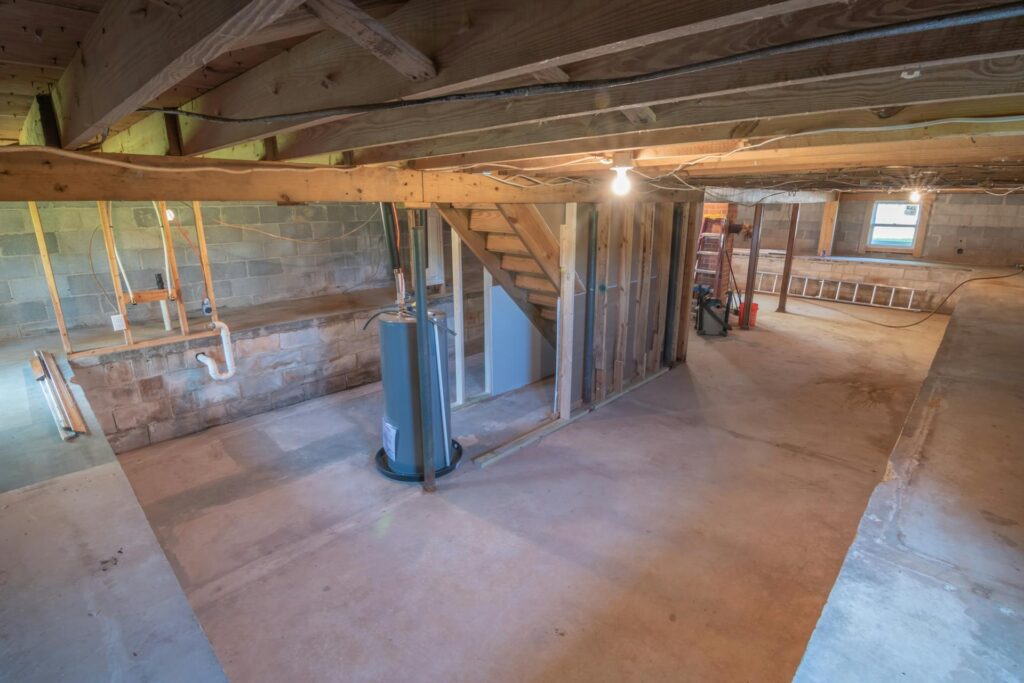
When Sewage Surges Into Your Chicago Basement
When sewage backs up into a basement, it turns a normal day into a stressful mess very fast. The water on the floor is not just dirty; it is contaminated with waste, germs, and chemicals that can affect your health and your home. This is a common problem in many older Chicago neighborhoods, where heavy rain or a fast snowmelt can overload the city sewers and send that water right back into houses.
A sewage backup happens when wastewater flows the wrong way and comes into your home through a floor drain, toilet, tub, or sink. Instead of moving out to the street, it pushes in, bringing gray or black water, strong odors, and debris. What looks like “just water” is actually something much more serious.
In the sections below, we explain why sewage backups happen so often in Chicago basements, what dangers are hiding in that water, what to do in the first few minutes, how professional sewage cleanup in Chicago works, and how you can lower the chance of it happening again.
Why Sewage Backs up in Chicago Basements
Many parts of Chicago use what is called a combined sewer system. That means stormwater from gutters and streets and sewage from homes share the same pipes. When a strong rain hits or snow melts quickly, those pipes can fill up. Once they are full, the water looks for an escape, and lower levels like basements are an easy target.
Beyond the city system, problems inside or just outside the home can also lead to backups. Common causes include:
- Tree roots pushing into older clay or cast iron sewer lines
- Collapsed, cracked, or sagging pipes under the yard or slab
- Grease, food scraps, and soap scum building up inside pipes
- Flushing wipes, paper towels, hygiene products, or other items that do not break down
- Missing, stuck, or broken backwater valves that should block flow from the street
Often, the home gives small hints before a big backup. Warning signs to watch for include:
- Gurgling sounds from toilets or floor drains
- Basement floor drains that drain slowly or hold a ring of water
- Sewage or “rotten egg” odors after a storm
- Stains or rust marks around floor drains or at the base of toilets
- Past minor backups that clear on their own but keep happening
If you notice several of these, it is a sign that your system may be under stress and needs attention.
Hidden Dangers Lurking in Sewage Contamination
Sewage water, often called black water, can contain many different germs. These can include bacteria like E. coli and Salmonella, along with viruses and parasites. They can cause stomach sickness, skin infections, and other health problems. Contact can happen when:
- Bare skin touches contaminated water or wet items
- Tiny droplets become airborne while water moves or dries
- You touch items from the basement, then touch your face, food, or clean surfaces
Even after the standing water is gone, moisture raises the humidity in the basement. Damp drywall, carpets, wood framing, and stored boxes can trap moisture. In as little as a day or two, mold can start to grow, especially in cool and dark basement corners. Once mold takes hold, it can spread behind walls and under flooring.
Sewage water also affects the structure of the house. Drywall softens and crumbles. Wood can swell and later rot. Insulation can hold moisture and contamination. If outlets, extension cords, furnaces, or water heaters are in the wet area, there is a risk of shock or equipment damage. That is why treating a backup like a serious emergency is so important.
First Steps After a Basement Sewage Backup
The first priority is always people, not property. Keep children, pets, older adults, and anyone with asthma, allergies, or weak immune systems far from the affected area. Do not flush toilets or run water in basement fixtures until someone has checked the problem, since more water can force additional sewage inside.
Before going near the water, take basic safety steps:
- If you can do it from a dry upper level, switch off power to the basement or affected circuits
- Put on rubber boots, rubber gloves, and old clothing that you can wash hot or discard
- Avoid touching your face and wash your hands well afterward
There are also a few things you should not do:
- Do not set up fans; they can blow germs and odors through the whole house
- Do not try to do a full cleanup alone; black water calls for professional equipment and products
- Do not throw away every damaged item right away; insurance may need photos or a list of losses
Quick, careful action in these first minutes makes later cleanup and restoration much smoother.
How Professional Sewage Cleanup in Chicago Works
When a trained restoration crew arrives, the first step is a fast but careful inspection. The team looks for the source of the backup, checks how far the water reached, and tests moisture levels in walls, floors, and other materials. This helps reveal hidden wet areas that might not look damaged yet.
Next comes containment and removal. Crews may:
- Set up plastic barriers to keep contaminated air away from clean areas
- Use commercial pumps and wet vacuums to remove standing black water
- Bag and remove heavy debris and damaged items
- Use HEPA air filtration to help capture airborne particles and odors
After extraction, the team applies EPA-registered cleaners and disinfectants to hard surfaces. Porous materials that soaked up sewage, like carpet, padding, and affected drywall, are usually removed. The remaining structure is then dried with professional drying equipment and monitored to make sure moisture drops to safe levels. Technicians also treat areas for mold risk and document conditions, damage, and work performed so you can share that record with your insurance company.
Once the area is clean, dry, and safe, repairs and rebuilding can begin. The goal is to return the basement to a clean, usable space, not just to make it look dry on the surface.
Preventing Future Sewage Disasters in Your Home
While no one can control the weather, you can reduce the chance of another sewage backup. Regular care of your plumbing and sewer line is a big help. For many older Chicago homes, this includes:
- Periodic inspections of the main sewer line
- Professional root cutting or cleaning to clear blockages
- Repair or replacement of cracked, sagging, or collapsed sections
Protective devices add another layer of defense. Backwater valves and overhead sewer systems are designed to stop city sewer water from flowing backward into your home. Sump pumps with battery backup can help with groundwater and stormwater during heavy rains or power loss.
Daily habits also matter. Avoid flushing wipes, even “flushable” ones, along with hygiene products and paper towels. Do not pour grease or oil down the sink, since they can cool and harden inside your pipes. During heavy rains, keep an eye on basement floor drains so you can catch early signs of trouble. A little planning is usually far less stressful and costly than an emergency sewage cleanup in Chicago.
Take Back Your Basement with Trusted Local Help
Sewage in a basement is more than a bad smell; it is a serious event that affects health, structure, and comfort. Every hour that contaminated water sits in place gives germs and moisture more time to spread into walls, floors, and belongings. Fast, careful action and professional cleanup make a big difference in how well your basement recovers.
As a Chicago area restoration specialist, GreenStar HomePro understands the local sewer systems, heavy rain patterns, and challenges of older homes in this region. We focus on thorough cleanup, drying, and repair so your basement can feel safe and usable again, and you can start focusing on how to prevent the next backup before the next big storm arrives.
Get Started With Your Project Today
If you are facing a sewage backup, we can respond quickly to protect your property and health. Our team specializes in safe, thorough sewage cleanup in Chicago, using professional equipment and proven methods to restore your home. Call GreenStar HomePro today or contact us to schedule an inspection and get a clear plan for cleanup and restoration.