
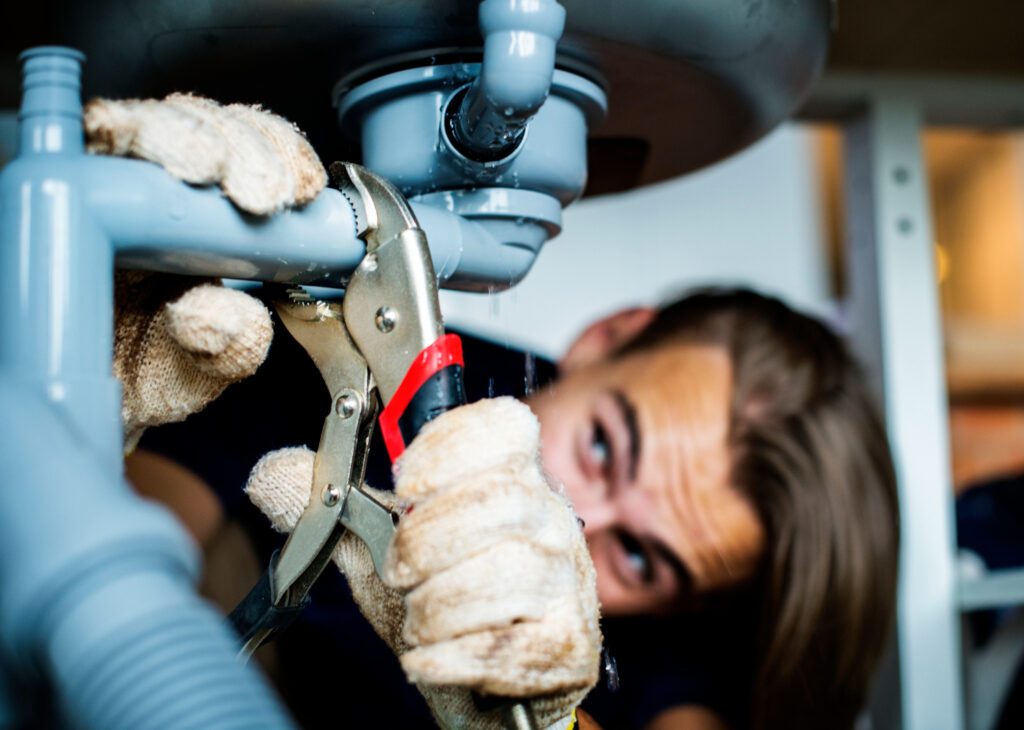
When a Burst Pipe Turns Your Evanston Home Upside Down
A burst pipe in an Evanston home can turn an ordinary day into a stressful emergency in a matter of minutes. One second everything feels normal, and the next you hear water rushing, see it pouring through a ceiling, or find a wall ballooning with moisture. What happens in those first minutes decides how serious the damage becomes, how likely mold is to grow, and how difficult your insurance claim will be.
At GreenStar HomePro, we work with homeowners across Evanston, Skokie, and the greater Chicago area who are dealing with sudden water damage. We see the same avoidable mistakes over and over, from small leaks to major flooding. In this article, we will walk through what typically goes wrong, what to do instead, and how the lessons from a burst pipe in Evanston also apply to water damage in Skokie and nearby communities.
The First 15 Minutes After a Burst Pipe
Those first 15 minutes feel chaotic, and that is when small choices can make damage much worse. The top priority is to stop water from entering your home, not to start mopping or wiping. Once water starts moving through ceilings, down walls, and into insulation, it spreads quickly and quietly.
Common early mistakes include:
- Turning off only one fixture instead of the main shutoff
- Focusing on towels instead of the source
- Leaving power on near standing water
- Waiting to involve a professional restoration team
Many homeowners shut off the nearest valve, like under a sink or at a toilet, then assume they are safe. If the burst pipe is in a wall or ceiling, water can still be pumping through other lines and traveling into rooms you cannot see. It is almost always safer to shut off the main water supply for the whole home.
Another issue is trying to “get ahead” of the mess with mops and towels before the water is fully stopped. That time is better spent:
- Locating and closing the main shutoff
- Keeping kids and pets out of affected areas
- Moving electronics and valuables out of danger (if it is safe to do so)
If there is standing water anywhere near outlets, power strips, or appliances, electricity should be turned off to that zone from the breaker panel before anyone walks through it. Finally, a plumber can repair the pipe, but a plumber alone does not address wet drywall, subfloors, or hidden moisture. Delaying a call to a restoration company often means mold growth later.
DIY Cleanups, Mold Growth, and Insurance Problems
Once the active leak is stopped, many homeowners try to handle the rest themselves. Some DIY steps are helpful, but others cause long-term problems that are expensive to fix.
We often see people dealing with serious water damage using only:
- Household fans
- Open windows
- Small, store-bought dehumidifiers
These tools can help dry surface moisture, but they rarely remove water trapped inside wall cavities, under subfloors, or in carpet padding. A room can feel dry while wood framing, insulation, or the back side of drywall is still wet enough to support mold growth.
Another mistake is tearing out materials immediately without documenting them. If you pull and toss wet carpet, padding, baseboards, or sections of drywall before taking clear photos and video, it is harder to show your insurance company how extensive the damage really was. Similarly, quickly discarding soaked books, clothing, or furniture without records can reduce what your insurer is willing to cover.
We see the same pattern with water damage in Skokie. A pipe bursts, a basement floods, or a washing machine overflows. The visible water is removed, fans run for a day or two, and everything appears fine. Weeks later, musty odors start, stains show up on walls or ceilings, or someone notices dark spotting in a closet or behind furniture. At that point, you are no longer just dealing with water damage; you are facing mold remediation as well.
Why Waiting on Insurance Slows Recovery
There is a common belief that you must wait for an adjuster to visit before doing anything serious about water damage. In reality, most policies expect you to take reasonable steps to prevent further harm. That usually means you are allowed, and often required, to start emergency mitigation before any formal inspection happens.
Here is the key distinction many people miss:
- Emergency mitigation includes water extraction, drying equipment, and removing unsalvageable materials that are clearly damaged.
- Permanent repairs include rebuilding walls, replacing flooring, and repainting after everything is dry.
Insurers want you to stop the damage from spreading but may want to review plans before you rebuild. What they absolutely value is good documentation. Helpful records include:
- Dates and times of the incident and any calls you made
- Photos and videos from multiple angles and stages
- Invoices from plumbers
- Written estimates and moisture readings from restoration professionals
At GreenStar HomePro, we regularly provide detailed documentation that helps support claims. Clear information about moisture levels, affected rooms, and what was removed or saved often speeds up approval for repair work.
Why Professional Drying Matters in Evanston, Skokie, and Beyond
Water damage looks simple on the surface and is anything but simple inside the structure. A floor can look dry while water is trapped underneath, or a wall can feel solid while moisture is wicked high into the drywall. Professional drying is about finding that hidden water and confirming that everything has truly returned to normal moisture levels.
Trained technicians rely on tools such as:
- Moisture meters to test inside materials
- Thermal imaging cameras to spot cold, wet areas behind surfaces
- Industrial air movers to pull moisture out of materials
- High-capacity dehumidifiers to remove water from the air
There is a big difference between a surface that feels dry to the touch and a structure that is actually dry inside. If wood subfloors, hardwood planks, or cabinets remain wet, they can warp, cup, or split over time. Drywall can pull water upward from the floor, so only the bottom looks damaged while the upper section continues absorbing moisture. Insulation can hold water like a sponge and keep wall cavities damp long after other areas seem fine.
Older homes in Evanston, and many homes dealing with water damage in Skokie, often have finished basements, plaster walls, and a mix of flooring types. Each of these materials reacts differently to water. Some can be dried in place, while others need to be removed to prevent mold. A professional assessment helps decide what is salvageable and what is not, so you are not guessing with expensive parts of your home.
How GreenStar HomePro Helps You Avoid Costly Mistakes
When we respond to a burst pipe or major leak, our goal is simple: stop the damage from getting worse and create a clear plan for getting your home back to normal. A typical emergency visit includes:
- Confirming that water is shut off, and assisting if needed
- Inspecting the affected areas and checking for hidden moisture
- Extracting standing water from floors and carpets
- Setting up drying equipment during the same visit when appropriate
Because we provide water damage restoration, mold remediation, and carpet and floor cleaning, we look at the full picture instead of only one piece. That means we can address immediate water removal, watch for potential mold issues, and restore surfaces like carpets and hard flooring as part of the same overall process.
Evanston and nearby communities have a wide range of home styles, from older multi-story houses to newer townhomes and condos. We see frozen and burst pipes in attics, behind plaster walls, in finished basements, and in utility rooms. Similar patterns show up with water damage in Skokie, where proactive, professional mitigation consistently reduces long-term repair costs and helps protect indoor air quality.
Steps to Take Today After a Burst Pipe
Handling a burst pipe does not have to be guesswork. If you remember a few key steps, you can avoid most of the costly mistakes we see. The biggest problems start when homeowners do not shut off the main water supply, delay calling for professional help, rely solely on DIY drying, or wait for insurance approval before doing anything to control the damage.
A simple action plan looks like this:
- Shut off the main water supply as soon as you discover a burst or major leak
- Protect safety first, including electricity and slip hazards
- Move valuables out of wet areas if it is safe
- Document everything with photos, video, and notes
- Contact a qualified restoration company like GreenStar HomePro to start mitigation
For homeowners in Evanston, Skokie, and across the Chicago area, having a plan in mind before an emergency happens makes a huge difference. Keeping your main shutoff location, your insurance information, and trusted emergency contacts in one place means you can respond quickly. Acting fast helps protect your home, your belongings, and your budget whenever water damage strikes.
Get Started With Your Project Today
If you are dealing with water damage in Skokie, our team at GreenStar HomePro is ready to help restore your home quickly and safely. We will assess the damage, explain your options, and guide you through every step so you know exactly what to expect. Reach out today to schedule service or ask questions, and we will respond promptly. You can also contact us to get started on a customized restoration plan for your property.