
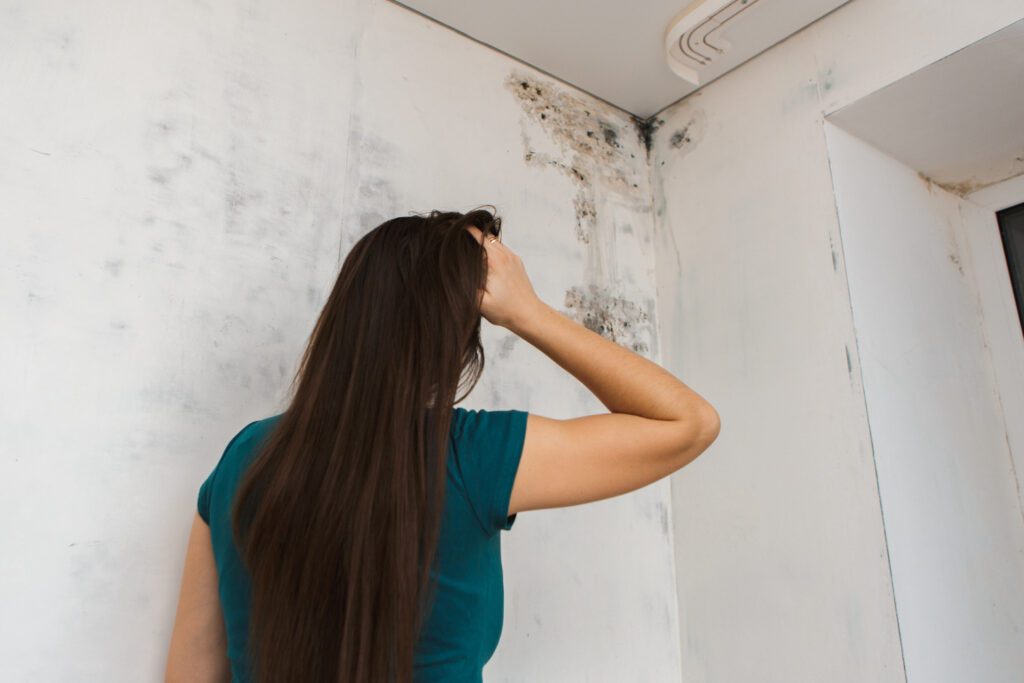
Stop Hidden Moisture Before Mold Takes Over
Hidden moisture is one of the biggest reasons mold shows up in Deerfield homes. It loves dark, quiet spots like basement edges, bathroom ceilings, and attics. By the time stains or fuzzy growth appear, that moisture has often been there for a while.
In our area, spring rain and rising humidity make these hidden spaces even more likely to stay damp. Many Deerfield homes have finished basements, older attic insulation, and vented bathrooms that are perfect for comfort but also easy for moisture to sneak into. When you understand the “moisture map” of your home, you can spot early warning signs and stop mold before mold testing in Deerfield is needed.
We will walk through the three main hotspots we see in local homes: basement rim joists, bathrooms, and attics. You will see what to watch for, what small changes help, and when it is time to bring in a professional team for a deeper look.
Why Moisture Finds Your Basement Rim Joists
The rim joist is the wood framing that runs around the top edge of your basement walls. It is where the house framing meets the concrete foundation. In many homes, this area is hidden behind fiberglass insulation, drywall, or ceiling finishes, so problems can grow quietly.
Moisture often finds this spot because it sits right at the border between warm indoor air and the cooler foundation. Water and humidity commonly get in through air leaks along the sill plate and rim joist that let humid outdoor air hit cool wood; gaps around plumbing, electrical lines, and vents that let damp air or rainwater sneak in; and even hairline cracks in the foundation near the top of the wall. Another frequent issue is insulation pressed tightly against cold, slightly damp wood, which traps moisture and prevents the area from drying.
You may not see the rim joist, but it can still give you early clues. Watch for musty smells near the top of the basement walls or ceiling, small spiderweb-like mold patches on wood joists or the backside of ceiling tiles, and dark stains or tide marks where the concrete meets the wood framing. You might also notice peeling paint, rust on metal hangers, or soft wood when gently probed, along with cooler, clammy air along outside walls in a finished basement room.
To lower the risk in this area, it helps to think about both water and air:
– Seal gaps and penetrations at the rim joist with the right type of caulk or foam before adding insulation
– Keep gutters and downspouts clear and make sure water drains several feet away from the foundation, not right at the base
– Run a dehumidifier during damp months and try to keep basement humidity around 40 to 50 percent
If you see staining, soft wood, or widespread mold, that usually means moisture has been active for a while and it is time to have a professional check for hidden damage.
Bathroom Fans, Steam, and Mold You Cannot See
Bathrooms are moisture machines. A single hot shower can send humidity in the room sky high within minutes. If that steam has nowhere to go, it looks for the nearest crack, gap, or hole in your walls and ceiling.
When exhaust fans are missing, undersized, or not working right, steam can collect on ceilings and walls and soak into paint and drywall. It can also move into the ceiling cavity around the fan housing, travel along ducts and leak into attic spaces, and condense on cooler pipes and framing behind the tile.
Some common moisture mistakes we see in Deerfield bathrooms include:
– Fans vented straight into the attic, not outdoors
– Noisy fans that people avoid using, or fans that shut off as soon as the light goes off
– Exterior vent covers blocked by lint, paint, or debris so air cannot escape
Inside the bathroom, look for these small red flags:
– Mirrors that stay fogged long after a shower ends
– Peeling or bubbling paint on the ceiling, especially above the shower
– Dark spots where the wall meets the ceiling or around the fan grille
– Musty odors, cracked or missing caulk, or grout that keeps discoloring after cleaning
– A ceiling that feels damp or chilly in one area when you touch it
Helpful habits for daily bathroom use include:
– Make sure your fan vents outdoors and run it during showers and at least 20 minutes afterward
– Consider a humidity-sensing fan or a timer switch so the fan keeps working even if someone forgets
– Keep caulk and grout in good shape and repair drips or leaks right away, even if they seem minor
If you notice stains spreading, paint failing again and again, or musty smells that never quite go away, there may already be hidden moisture and mold inside the ceiling or wall.
Attic Moisture Hotspots Above Deerfield Homes
Your attic is another important part of your home’s moisture map. Warm, moist air from daily life rises and tries to escape into the attic through even tiny openings. When that air hits cooler wood, it can turn into condensation and feed mold growth.
Attic moisture often builds up when humid indoor air leaks through gaps around can lights, fans, and attic hatches, or when bath fans or kitchen fans dump moist air into the attic instead of outdoors. It can also happen when soffit vents are blocked by insulation or dust, or there are too few roof or ridge vents, and roof leaks can add liquid water on top of existing humidity.
Some warning signs in the attic include:
– Dark patches, fuzzy areas, or streaks on roof decking or rafters
– Rusty nail tips or metal brackets
– Insulation that looks matted, damp, or stained, especially above bathrooms
– Musty odors when you open the attic hatch or doors to upstairs closets near the attic
Seasonal changes often bring attic issues to the surface. After wet weather, the attic wood can cool at night and warm up quickly during the day, which pulls more humid air through ceiling leaks. When the AC starts running, the difference between cool indoor air and hot attic air can push even more moisture upward.
Helpful maintenance steps for this space include:
– Confirm that every bathroom and kitchen fan is vented outdoors and that ducts are sealed and insulated as needed
– Have attic ventilation inspected so soffit vents are open and exhaust vents are doing their job
– Seal gaps in the attic floor around wires, pipes, and recessed lights to keep humid indoor air from moving into the attic
If you see larger areas of staining or suspected mold, or you notice moisture problems repeating season after season, it is smart to bring in a professional to check both the attic and the rooms below it.
When to Call Pros for Mold Testing in Deerfield
At some point, simple visual checks and small habits are not enough. That is when mold testing in Deerfield and a full moisture inspection become important.
Signs that it is time to call in trained help include:
– Musty odors that do not go away, no matter how often you clean
– Allergy or breathing issues that seem worse at home, especially in certain rooms
– Visible mold larger than a small patch or spreading over time
– The same area showing moisture damage again after you thought it was fixed
– Any past water event like a sump pump failure, roof leak, or overflow that never had professional drying
Professional mold testing and inspection can:
– Show what type of mold is present and how far it has spread
– Reveal moisture inside wall cavities, insulation, or structural wood that you cannot see
– Provide detailed findings you can use during home sales, tenant discussions, or insurance questions
An IICRC-certified company will not just swab a surface and leave. You can expect a full moisture assessment with tools like meters and thermal cameras, clear explanations of where moisture is coming from and what areas need attention first, and safe, contained cleanup methods, including HEPA filtration, to help protect the rest of your home.
Create Your Home Moisture Patrol Plan Today
Protecting your home from mold starts with a simple habit: walk your moisture map on a regular basis. Focus on the places where problems usually begin:
– Basement rim joists and the top of foundation walls
– Bathrooms, especially ceilings, fans, and around tubs and showers
– Attics, including roof decking, rafters, and insulation above bathrooms
Keep basic items in good shape, like gutters, downspouts, bathroom fans, and attic vents. A small tool like a hygrometer makes it easier to track indoor humidity and adjust dehumidifiers or fan use before moisture becomes a bigger issue.
Stopping moisture early is far less stressful than dealing with major mold cleanup or structural repairs later. Many warning signs are quiet and slow, so regular checks matter, especially in older or finished homes. When you see recurring stains, musty odors, or suspect hidden mold, it is time for a professional inspection so you can protect your Deerfield home with confidence.
Protect Your Deerfield Home With Expert Mold Insight Today
If you have noticed musty odors, recent water damage, or unexplained allergy symptoms, now is the time to schedule professional mold testing in Deerfield. At GreenStar HomePro, we use detailed inspection methods to pinpoint hidden moisture issues before they turn into costly structural or health problems. Our team will walk you through clear next steps so you can make informed decisions about remediation. Have questions or need to book an appointment quickly? Just contact us and we will help you get started.