
Why Damaged Drywall Threatens Your Home’s Safety
Water-damaged drywall is more than an eyesore. Once moisture gets into your walls or ceilings, it can weaken the structure, ruin insulation, and create the perfect environment for mold and poor indoor air quality. If the problem is not handled correctly, what starts as a small stain can grow into a serious and expensive issue.
Drywall loses strength when it absorbs water. It can swell, crumble, or separate from fasteners so ceilings sag and walls feel soft when pressed. Insulation behind the drywall can clump or stay damp, which hurts energy efficiency and keeps moisture trapped. As materials stay wet, they can support mold growth and release musty odors and irritants into the air your family or employees breathe.
In the Chicago area, we see a lot of drywall damage from sources such as:
• Burst or leaking pipes in walls, ceilings, and crawl spaces
• Roof leaks during heavy rain or after snow and ice buildup
• Flooded basements from storms or sump pump issues
• Appliance failures from washing machines, dishwashers, and water heaters
Some warning signs are obvious, like bubbling or peeling paint, warped seams, or visible water lines. Others are easier to miss, including faint recurring stains that seem to “bleed” through fresh paint, a persistent musty smell, or baseboards that start to separate from the wall. These often mean that wet materials are still hidden behind the surface.
As part of professional water damage restoration, our team at GreenStar HomePro evaluates walls, ceilings, and framing before any drywall work begins. We look beyond the surface so repairs are not just cosmetic, but part of a complete and safe restoration plan.
Assessing Drywall After a Water Emergency
Not all wet drywall has to be torn out. In some situations, it can be dried and saved, but there are clear limits. How long the materials have been wet, how saturated the materials are, and what type of water was involved all matter.
In general:
• Clean water from a sudden leak that is addressed quickly is more likely to be dryable.
• Long-term leaks, repeated incidents, or standing water usually mean replacement.
• Water that may contain contaminants, such as sewage or outdoor flood water, almost always requires removal of drywall and insulation.
During an inspection, we use moisture meters to check how deeply water has traveled into the wall system. We remove or loosen baseboards to look for hidden moisture and staining. We also check insulation, wood framing, and nearby electrical boxes or outlets to see if they have been exposed and if they are safe.
Leaving wet drywall in place can create health problems. Mold can start developing on damp surfaces in a relatively short time and continues to spread if conditions stay humid. This is especially risky in basements, bathrooms, laundry rooms, and other areas with poor airflow. Mold and other contaminants can irritate allergies and breathing conditions and can make indoor spaces feel damp and uncomfortable.
Certified technicians apply industry-standard procedures and safety practices during water damage restoration. Careful measurements, photos, and notes also support insurance claims, helping to document the cause, the extent of damage, and the steps taken to dry and repair the structure.
Safe Removal of Wet and Mold-Contaminated Drywall
When drywall is too damaged or contaminated to save, safe removal is the next step. This is where containment and protection matter. We start by isolating the affected area with plastic sheeting and zipper doors, especially when there is visible mold. Protective gear such as respirators, gloves, and eye protection helps keep everyone safe. In moldy spaces, we may set up negative air pressure with filtration equipment to help keep spores from spreading to clean parts of the property.
The cut-out process often includes controlled “flood cuts,” where we cut the drywall in a straight horizontal line above the highest water mark or moisture reading. This allows us to:
• Remove saturated insulation
• Inspect and clean the wall cavity
• Create a clean, straight edge for new drywall installation
All debris is carefully handled and bagged so dust and spores are not spread through the rest of the home or business. Once the drywall is removed, we inspect the wood framing for mold colonies, dark staining, or soft or rotted spots. Depending on what we find, we may clean and treat the framing surfaces or recommend that certain sections of wood be replaced.
Before any new drywall goes in, thorough drying is essential. We use commercial dehumidifiers, air movers, and regular moisture checks to confirm that wood, subflooring, and remaining materials are at acceptable moisture levels. Skipping or rushing this stage often leads to ongoing odor, hidden mold growth, and premature failure of new drywall.
Installing New Drywall for a Lasting Restoration
Once the structure is dry and clean, it is time to rebuild. Material choice matters here, especially in areas that have a higher chance of moisture exposure. Moisture-resistant drywall is often a good option for bathrooms, basements, and utility rooms. Mold-resistant drywall products can add another layer of protection in spaces that tend to stay humid or that have had previous issues.
The installation steps typically include:
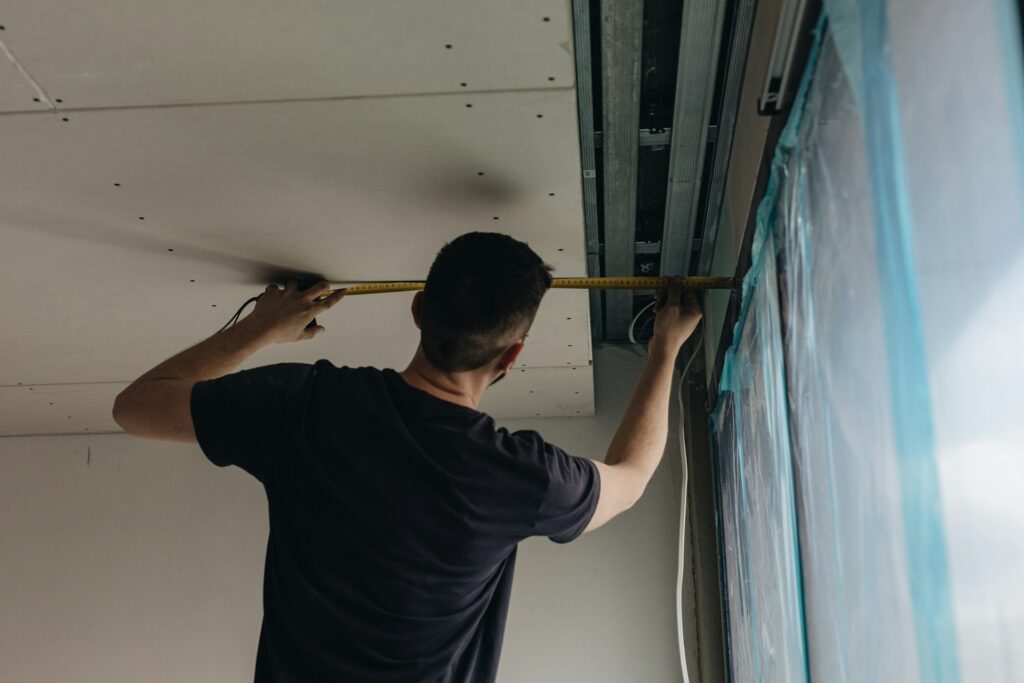
• Measuring and cutting drywall sheets to fit walls and ceilings
• Fastening panels to studs with the correct screw type and spacing
• Taping seams and covering them with joint compound in multiple coats
• Sanding smooth and preparing the surface for primer and paint
Good technique at each stage helps prevent common issues such as cracks at joints, nail or screw pops, and visible repair lines. Clean seams, proper fastening, and the right finishing products all contribute to a smooth, seamless result that blends with existing surfaces.
At GreenStar HomePro, we look at drywall installation as part of the overall water damage restoration plan. That means coordinating drying, structural repairs, and finish work so that walls and ceilings not only look new but perform well over time.
Preventing Future Drywall Damage After Restoration
Once your walls are restored, protecting that investment is the next priority. Many water problems can be reduced or avoided with basic maintenance around your property. Helpful steps include:
• Cleaning and maintaining gutters and downspouts so water drains away from the foundation
• Checking that grading slopes away from the house to reduce seepage into basements
• Testing sump pumps and having backup options in case of power loss
• Scheduling regular plumbing inspections to catch small leaks early
In vulnerable spaces, it can be smart to upgrade materials and ventilation. Moisture or mold-resistant drywall in bathrooms, basements, and laundry areas helps add resilience. Quality exhaust fans that vent to the outside can reduce humidity in bathrooms and kitchens. Proper sealing around tubs, showers, sinks, and windows keeps water from getting behind finishes where it can cause slow, hidden damage.
Monitoring tools and habits also make a difference. Water leak detectors near water heaters, washing machines, and under sinks can give early warnings. Periodic checks for faint stains, peeling paint, or new musty odors help you respond before a small issue becomes serious. For larger properties or after past water incidents, scheduling occasional professional inspections can provide peace of mind.
Ongoing maintenance supports the money and effort you put into new drywall and water damage restoration. It protects the structure, keeps indoor spaces more comfortable, and helps maintain property value for years to come.
Restore Your Walls and Protect Your Home with Confidence
Effective water damage restoration is more than drying surfaces and covering stains. It requires a careful assessment of drywall and framing, safe removal of damaged and mold-contaminated materials, and professional installation of new drywall that suits each area of your home or business. When each of these steps is handled correctly, your walls regain both their strength and their appearance.
For property owners in Chicago and surrounding Illinois counties, a fast response from trained professionals can limit disruption, reduce the risk of mold, and help your space feel safe and comfortable again. With thoughtful planning, quality materials, and thorough drying and installation, your restored drywall can stand up to daily life and give you renewed confidence in your property.
Protect Your Home With Expert Water Damage Restoration
When water hits your home, fast action makes the difference between a simple repair and costly structural damage. At GreenStar HomePro, we respond quickly with proven water damage restoration solutions to help safeguard your property and belongings. We walk you through every step so you always know what is happening and why. If you are facing a leak, flood, or moisture issue, contact us today to get professional help started right away.