
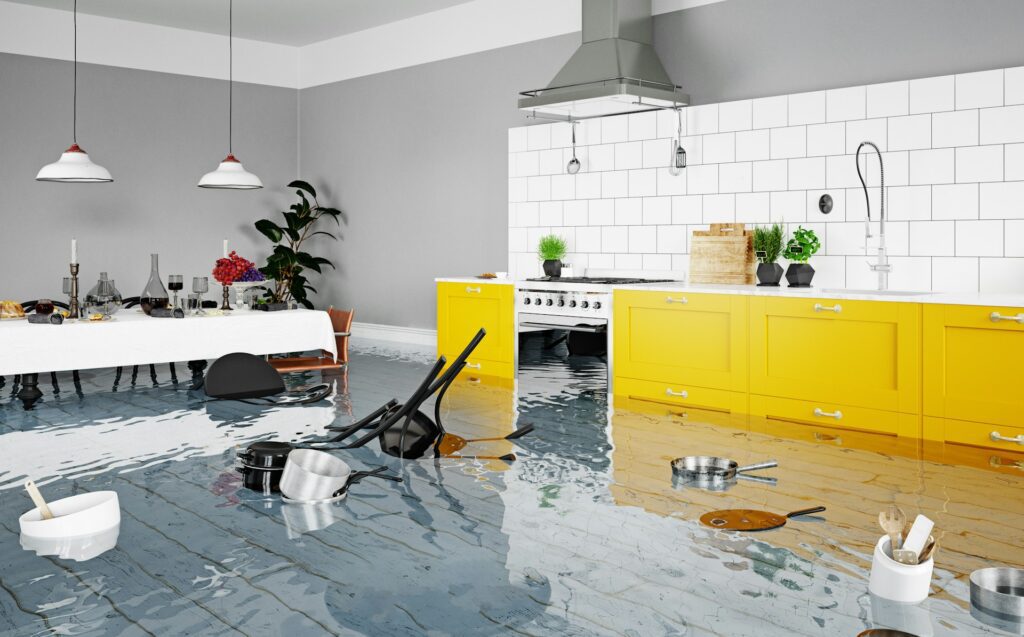
When Every Minute Counts After Water Damage
Water moves faster than most property owners expect. A small pipe burst behind a wall, a washing machine supply line that lets go, or a basement backup can send water under floors and into walls in minutes. Waiting to see if it will dry out on its own often turns a manageable cleanup into a major restoration project.
In this article, we will walk through what really happens in the first 60 minutes after water damage, why quick action matters so much for Glenview homes and businesses, and how timing affects everything from repair costs to mold growth. We will also share a practical first-hour action plan and explain how our team at GreenStar HomePro responds to water damage in Glenview, water damage in Skokie, and other nearby suburbs.
Water does not stay where it starts. It follows gravity, wicks into porous materials, and spreads under baseboards and behind cabinets. The earlier you respond, the easier it is to stop that spread and protect your structure, your belongings, and your indoor air quality.
What Happens in the First Hour of Water Damage
Within the first hour, water begins seeping into almost every material it touches. Carpet and padding soak up water like a sponge. Hardwood and laminate flooring start to absorb moisture at the seams. Drywall pulls water upward from the floor, even if the water line looks low at first glance.
Here is what typically begins during that first hour after a leak or backup:
- Surface materials become saturated, especially carpets, rugs, and upholstery.
- Water tracks under baseboards and into wall cavities.
- Insulation begins to hold moisture, which can be slow to dry.
- Wood elements start to swell, which can lead to warping if not dried correctly.
As time passes, what starts as surface dampness can turn into:
- Swelling or buckling of wood floors and trim.
- Stains on ceilings or walls where water travels from another area.
- Soft or crumbling drywall from prolonged saturation.
- Hidden structural weakening if framing stays wet.
There is also a health side to the timing. Lingering moisture can encourage mold growth and poor indoor air quality. In homes that experience repeated or untreated water damage in Skokie or Glenview, we often see secondary issues like musty odors, visible spotting on walls or ceilings, and concerns about what is happening behind finished surfaces. Those problems are harder and more expensive to solve than quick, thorough drying in the first place.
First 60 Minutes Action Plan for Glenview Property Owners
When water appears, the first priority is always safety. Before anyone starts moving furniture or mopping up, take a moment to assess the situation.
Safety steps to consider in the first few minutes:
- If you can safely access your electrical panel, consider turning off power to affected areas.
- Avoid walking through standing water, especially if there are electrical cords or outlets nearby.
- If water is gushing from a main supply line and you cannot control it, leaving the building and contacting the utility company or emergency services may be the safest choice.
Once safety is addressed, you can start limiting damage while you arrange professional help.
Practical actions during the first hour:
- Stop the water source if possible, for example by closing a fixture valve or the main shutoff.
- Move small furniture, rugs, and personal items off wet flooring.
- Elevate electronics and valuables away from damp areas.
- Place aluminum foil or blocks under furniture legs to keep them out of standing water.
Good documentation helps with insurance, whether the issue is water damage in Glenview or water damage in Skokie. While the scene is fresh:
- Take clear photos and short videos from multiple angles.
- Capture close-ups of damaged materials and belongings.
- Note the date, time, suspected cause, and when you first noticed the problem.
This early documentation, combined with a professional assessment, can make a big difference in how smoothly your claim goes.
How Professional Mitigation Protects Your Home and Health
Once our technicians arrive, the focus shifts from emergency steps to a structured mitigation plan. We start by assessing the affected areas, including spaces that may not look wet on the surface. Moisture often hides:
- Behind walls and baseboards.
- Under cabinets and vanities.
- Inside ceiling cavities below an upstairs leak.
Using professional tools, we check how far the water has traveled and how deeply materials are affected. Then we create a customized drying plan that fits your property and the specific source of the water.
Key parts of a professional mitigation process typically include:
- High-powered extraction to remove as much water as possible from carpets, padding, and hard flooring.
- Industrial dehumidifiers to pull moisture out of the air and materials.
- Air movers to promote fast, even drying on floors, walls, and contents.
- Targeted cleaning and antimicrobial treatments where appropriate.
Rapid mitigation is one of the best defenses against future mold problems. When wet building materials stay damp, mold can develop on or behind surfaces, sometimes in places you cannot see. By removing standing water quickly and drying thoroughly, we help reduce the chances that you will need more extensive mold remediation later. The same approach applies whether we are responding to water damage in Skokie, Glenview, or another nearby suburb, because moisture behaves the same way in every building.
Working with Insurance After a Water Emergency
Water damage and insurance can be confusing, especially when you are already stressed. One key difference many property owners are not aware of is how insurers often separate sudden water events from long-term leaks.
In general terms:
- Sudden events might include a burst pipe, appliance failure, or accidental overflow.
- Long-term issues might include slow leaking pipes hidden behind walls that have been dripping for an extended period.
This distinction can affect coverage, so it is important to describe exactly what happened when you start a claim. A simple step-by-step approach usually looks like this:
- Notify your insurer as soon as you discover the damage.
- Provide basic details about the cause, affected areas, and when the problem started.
- Share the photos, videos, and notes you took in the first hour.
- Keep records of all emergency and restoration services performed.
At GreenStar HomePro, we document our findings and our work in detail. That documentation can help support your claim by showing the source and scope of the damage, the steps taken to mitigate further loss, and the materials and areas impacted. Working with a restoration team that understands local Illinois insurers and building practices can help keep everyone on the same page during the process.
GreenStar HomePro’s Local Advantage in Glenview
As a Chicago-area company, we spend a lot of time in Glenview, IL 60025, and neighboring communities like Skokie, Evanston, and Northbrook. That local focus helps us respond quickly when a pipe bursts in the middle of the night or a storm sends water into a basement.
Our approach is full-service, so you are not coordinating multiple contractors during a stressful time. For water damage projects, our services commonly include:
- Water extraction and removal from floors and carpets.
- Structural drying of walls, ceilings, and framing.
- Mold remediation when moisture has been present long enough for growth.
- Carpet cleaning to refresh affected textiles once drying is complete.
Because we work in homes and businesses across the Chicago suburbs, we are familiar with many of the building styles, from older basements to newer construction. Our technicians are trained to treat each property with care, communicate clearly, and focus on practical solutions that get you back to normal as quickly as conditions allow.
Take Back Control in the First Hour
The first 60 minutes after water enters your home or business can determine whether you are dealing with a short-term drying project or a long-term repair and mold issue. Quick, safe action, combined with professional mitigation, reduces the spread of moisture, helps protect your structure and contents, and supports a smoother insurance process.
Water damage is stressful, but it does not have to be chaotic. When you know where your shutoff valves are, have a basic first-hour plan in mind, and have a trusted local expert ready to respond in Glenview or nearby communities like Skokie, you are in a much stronger position to protect your property and your peace of mind.
Get Started With Your Project Today
If you are dealing with water damage in Skokie, our team at GreenStar HomePro is ready to respond quickly and help protect your property. We carefully assess the situation, remove moisture, and restore affected areas so you can move forward with confidence. Reach out today so we can discuss your situation, answer your questions, and schedule a convenient visit. For prompt support, you can also contact us to get started.