
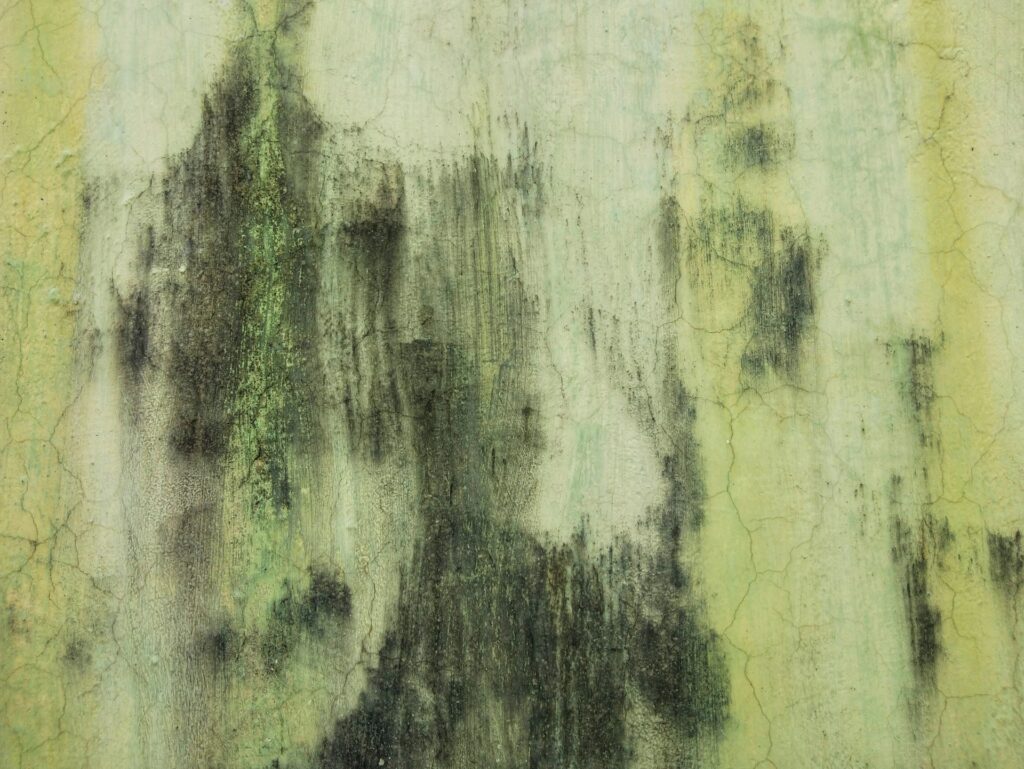
Mold does not wait for a convenient time to show up. Once moisture gets into your home or business, mold spores can start growing and spreading quickly, turning a small problem into a major project that affects both your health and your wallet. When that happens, it is natural to ask if there is any government help available to ease the cost of cleanup.
In this article, we will walk through the kinds of assistance that may exist, what government programs actually cover, and how homeowners looking for mold removal in Libertyville and the greater Chicago area can put together a smart plan. At GreenStar HomePro, we work with property owners every day who are trying to balance safety, cost, and long-term protection, so we will share what we see most often and where to start.
Why Mold Problems Deserve Serious Financial Help
Mold can start growing within a short time after a leak, indoor flood, or persistent humidity issue. Once it takes hold inside walls, under flooring, or in HVAC components, it tends to spread to new surfaces and hidden areas. That is part of why fast action is so important. Waiting usually means:
- A larger contaminated area to clean
- More building materials that need removal
- Higher labor and equipment costs
- More days of disruption to your home or business
Beyond the financial side, mold is a real health concern. Many people notice:
- Worsening asthma or allergy symptoms
- Coughing, sneezing, or eye irritation
- Headaches or fatigue when spending time indoors
Children, older adults, and people with respiratory issues tend to feel these effects more. Over time, mold and ongoing moisture can damage drywall, insulation, wood framing, and finishes, which can hurt your property value and even lead to structural repairs.
Professional mold remediation can be a significant expense, especially when the problem covers several rooms or has been growing unnoticed. That is why so many Libertyville and Chicago-area property owners ask if there are government grants that will pay for the work. While there is rarely a simple yes-or-no answer, we can help you sort through what is actually available. As a local company, GreenStar HomePro can also provide inspections, written estimates, and photo documentation that some assistance programs or lenders require, especially for mold removal in Libertyville and nearby suburbs.
What Government Help for Mold Really Looks Like
When people say they want “government help” with mold, they may be thinking of a few different things. It helps to separate them:
- Grants, money you generally do not repay
- Low-interest or subsidized loans
- Tax credits or deductions
- Insurance payouts, which are not government funds but often part of the same conversation
There is usually no single, nationwide “mold grant” that anyone can apply for after discovering mold in a bathroom or basement. Instead, mold remediation may be included as one part of a larger repair project under broader housing or disaster programs.
The agencies that may be involved include:
- Federal programs such as HUD or FEMA
- State and county housing or community development departments
- Local health departments and housing rehab programs
Eligibility often depends on:
- Household income
- Age or disability status
- Veteran status
- Whether damage came from a declared disaster
In many cases, you will need documentation that shows the problem is real, affects health and safety, and requires professional work. A detailed report from a company like GreenStar HomePro can support those applications by clearly describing the moisture source, visible mold, and recommended repairs.
Federal Programs That May Help with Mold Remediation Costs
On the federal level, mold issues usually fit under larger “healthy homes” or disaster recovery umbrellas, not as a standalone category.
HUD, the U.S. Department of Housing and Urban Development, supports housing rehab and health and safety improvements through funds that are often distributed by local governments or nonprofits. In some programs, repairs that address water damage, moisture, and mold may qualify if they are tied to making a home safer to live in.
FEMA may help when mold results directly from a federally declared disaster, such as significant flooding after a storm. Assistance in these situations can sometimes cover:
- Removing damaged materials that are contaminated
- Cleaning and drying affected areas
- Basic steps to make the home safe and functional again
Timing matters. If you think your mold problem is tied to a disaster, it is important to apply quickly, follow the instructions you receive, and keep detailed records of inspections and estimates.
USDA Rural Development also offers certain repair loans and grants for low-income homeowners in qualifying rural areas. If mold is affecting health or safety, remediation may be considered part of the necessary repairs.
A simple way to start checking eligibility is to:
- Contact your local housing or community development office and ask what repair or healthy home programs exist
- Review HUD and FEMA information to see if your area has active programs
- Ask specifically whether mold and moisture repairs can be included in funded projects
Again, solid documentation from a qualified company can help show that the work is necessary for safe occupancy.
State, County, and Local Options Around Libertyville
For many homeowners, real opportunities for help come from closer to home. State and local programs often focus on keeping housing safe and stable, which can include addressing moisture and mold problems.
You may find options such as:
- Housing rehabilitation programs that fix health and safety issues
- Lead and healthy homes initiatives that also look at moisture control and ventilation
- Weatherization or energy-efficiency programs that repair air leaks and improve ventilation, which can help prevent mold from returning
Common types of local support include:
- Forgivable repair loans that do not have to be repaid if you meet certain conditions
- Small grants, often with maximum amounts, aimed at urgent health and safety needs
- Matching funds that reduce your out-of-pocket costs on a larger repair project
For Libertyville and Lake County residents, helpful starting points can include:
- The county housing authority or community development department
- Local health department staff who can explain current healthy homes or environmental health programs
- Nonprofit housing organizations that partner with government agencies
When you apply, it helps a lot to show that the issue is clearly defined and time-sensitive. A professional assessment and written estimate from GreenStar HomePro can lay out:
- Where the moisture is coming from
- The extent of visible mold and areas of concern
- Recommended steps for safe cleanup and drying
This kind of report can support applications for mold removal in Libertyville by showing exactly why the work is needed and what it will take.
When Insurance, Loans, and Tax Breaks Are Your Best Bet
In many cases, traditional insurance and financing options end up being the main way homeowners pay for mold remediation.
Homeowners insurance may cover mold when it is directly caused by a covered event, such as a sudden pipe burst or an appliance leak that was addressed promptly. Policies are less likely to cover mold that develops from long-term neglect, chronic humidity, or maintenance issues. It is important to:
- Review your policy for specific mold or water damage language
- Report problems to your insurer as soon as you discover them
- Keep photos, notes, and estimates organized
If grants or local programs are not available, some property owners turn to:
- Specialized home improvement loans
- Home equity lines of credit
- Payment plans arranged with reputable contractors
Working with trained technicians helps protect that investment, because proper containment, removal, and drying reduce the chance of recurring problems that cost more later. Clear documentation from a company like GreenStar HomePro can also make conversations with insurers and lenders smoother.
In limited situations, unreimbursed damage or repair costs may have tax implications. Because tax rules change and every situation is different, we always recommend speaking with a qualified tax professional about whether any deductions or credits might apply to your mold-related expenses.
When you combine all of these pieces, the picture looks something like this: there is no universal government pot of money that pays for every mold job, but with the right information, you may be able to offset some of the cost through disaster aid, housing programs, insurance, and careful financing. Prompt, professional remediation is still the key to protecting health, preserving property value, and lowering the risk of repeat issues, especially for mold removal in Libertyville and surrounding suburbs.
Protect Your Home and Family With Trusted Mold Removal Experts
If you are dealing with suspicious spots, musty odors, or past water damage, now is the time to schedule professional mold removal in Libertyville. At GreenStar HomePro, we carefully inspect, contain, and treat affected areas to help restore a healthier indoor environment. We explain every step, use proven methods, and respect your home and schedule. Reach out today through our contact us page so we can review your situation and get your project on the calendar.