
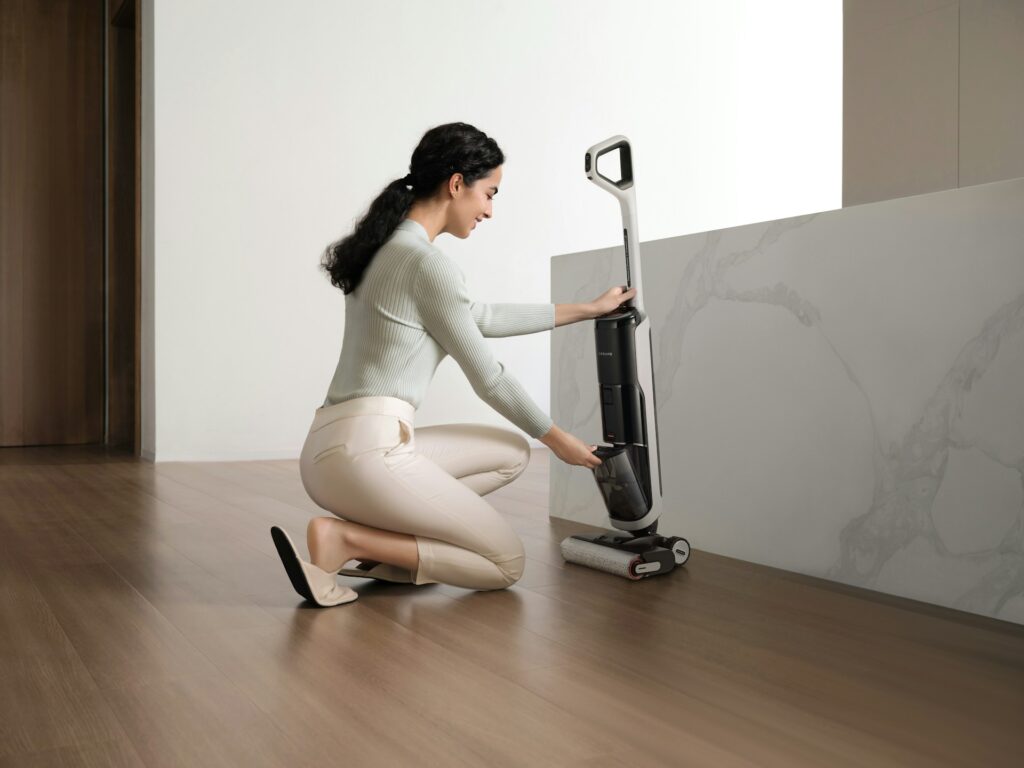
Keep Your Hardwood Floors Shining Longer
Hardwood floors are one of the first things people notice when they walk into a home or business. In many Chicago properties, they are a major investment that ties together the entire look of a room. Keeping them clean is not just about a nice shine; it is about protecting that investment so it lasts for decades.
At GreenStar HomePro, we see what happens when floors are cleaned the wrong way. Finish gets dulled, boards swell from moisture, and small problems grow into expensive repairs. In this article, we will walk through practical hardwood floor cleaning tips you can safely use, what to avoid, and how to know when it is time to bring in a professional team after water damage, mold, or long-term wear.
Know Your Hardwood Floors Before You Start
Before reaching for a mop or cleaner, it helps to know exactly what kind of flooring you have. Solid hardwood is a single piece of wood all the way through. Engineered wood has a real wood layer on top of a layered core. Laminate, while it can look like wood, is actually a printed surface over a composite base. Each type responds very differently to moisture and cleaning products.
Solid and engineered hardwood can handle careful damp cleaning, but too much water can cause cupping, warping, or gaps. Laminate is even more sensitive, since water that seeps into seams can cause swelling and peeling. That is why the same hardwood floor cleaning routine is not always safe for every floor.
Finishes matter too. Common finishes include:
- Polyurethane or other surface finishes that sit on top of the wood
- Oil-based finishes that soak into the wood
- Waxed floors that rely on a buffed wax layer for protection
A quick way to guess your finish is to look for shine and how the floor ages. Polyurethane usually has a clear, plastic-like sheen and resists stains on the surface. Waxed and oil-finished floors can look more natural and may show dull spots where traffic is heaviest. If you rub a hidden area with a soft cloth and see wax residue, you may have a wax finish, which changes which cleaners are safe.
When in doubt, test any new product in a small, out-of-the-way spot first. If the finish turns cloudy, sticky, or dull right away, stop and try a different approach before treating the entire floor.
Daily and Weekly Cleaning Habits That Prevent Damage
The best hardwood floor cleaning routine is gentle, frequent, and focused on removing grit before it can scratch. Grit acts like sandpaper under shoes and chair legs, leaving tiny lines that add up over time.
Good daily and weekly habits include:
- Sweeping or dust mopping with a soft microfiber head
- Vacuuming on a hard-floor setting, with the beater bar turned off
- Spot-cleaning sticky spills before they harden or stain
Water is one of hardwood’s biggest enemies. Instead of a dripping wet mop, use a lightly damp microfiber pad and wring it out thoroughly. The floor should dry in a few minutes. If it stays visibly wet for longer, there is too much water.
For busy Chicago-area households and businesses, a few simple habits can make a big difference:
- Place mats both outside and inside entry doors to catch grit, salt, and moisture
- Add felt pads under chairs, couches, and tables, and check them a few times a year
- Keep pet nails trimmed and brush regularly to reduce hair and dander on the floor
- Ask family or staff to avoid high heels or damaged shoe soles that can dent wood
These small steps help your floor hold its finish longer so you do not need aggressive cleaning that can shorten its life.
Safe Products and Techniques for Deep Hardwood Floor Cleaning
Even with great daily habits, hardwood floors occasionally need a deeper clean, especially in high-traffic areas. The safest approach is to use a pH-neutral cleaner made specifically for hardwood floors. These products are designed to clean without stripping or softening the finish.
A basic deep cleaning routine looks like this:
- Remove loose dirt with a vacuum or dust mop
- Mix a hardwood-specific cleaner according to label directions
- Lightly mist the cleaner onto the floor or onto a microfiber mop pad
- Work in small sections, cleaning and immediately wiping dry
- Open windows or use fans to help the floor dry quickly
There are some common mistakes we often see:
- Steam mops that force hot moisture into seams and edges
- Vinegar-heavy solutions that are too acidic and can dull finishes over time
- Wax or oil soaps on polyurethane floors, which can cause smearing and adhesion problems later
- Generic all-purpose cleaners that leave residue or react with the finish
For scuffs and light marks, a soft cloth slightly dampened with hardwood cleaner usually works. Some scuffs from rubber-soled shoes can be lifted with a clean, white eraser, used gently. For light stains and dull traffic lanes, multiple gentle cleanings are safer than one harsh scrubbing. Avoid abrasive pads or powders, which can cut through the finish and expose bare wood.
Tackling Tough Spots, Spills, and Seasonal Challenges
Spills on hardwood should be treated like small emergencies. Liquid that stays on the surface can seep into cracks and edges, leading to staining, raised boards, or even mold growth in the worst cases. Blot, do not rub, with an absorbent cloth, then clean the area with a small amount of hardwood floor cleaner and dry thoroughly.
Chicago properties deal with their own challenges, especially in winter. Snow, slush, and de-icing salts get tracked inside and can quickly damage floors. Helpful steps include:
- Keeping sturdy mats at every exterior door and cleaning them regularly
- Removing wet shoes and boots in a tiled or protected area
- Wiping up any salt streaks or water spots right away
Seasonal humidity swings can also affect hardwood. Very dry air can cause small gaps between boards, while excessive moisture can cause cupping. Using humidifiers or dehumidifiers to keep indoor humidity in a steady range helps floors stay stable.
Problem areas such as kitchens, entryways, and pet zones need extra attention. Pet accidents should be blotted quickly, then cleaned with a cleaner that is safe for both hardwood and your pets. If you notice musty odors, light surface mold, or staining near areas that once had leaks or spills, there may be lingering moisture concerns. Cleaning alone may not solve the underlying problem if water has soaked below the surface.
When to Call the Pros for Restore-Level Cleaning
There comes a point when basic hardwood floor cleaning is not enough. Warning signs that you may need professional help include:
- Deep scratches you can feel with a fingernail
- Gray or black water stains that do not clean away
- Boards that are cupping, crowning, or clearly warped
- Areas where the finish is worn off and bare wood is exposed
In homes and businesses around Chicago, we often step in after water damage from leaks, flooding, or appliance failures. Once hardwood has absorbed water, it may require specialized drying, cleaning, and sometimes refinishing or replacement to prevent mold growth and structural problems.
Professional services can also help with mold issues that show up along baseboards, under cabinets, or in lower levels with hardwood. At GreenStar HomePro, we focus on restoration and remediation, so our goal is to protect your property value, extend the life of your floors where possible, and support healthier indoor air. A professional evaluation can uncover hidden damage under or around hardwood, especially when there have been past moisture problems that basic cleaning cannot address.
Protect Your Investment with a Smart Floor Care Plan
Long-lasting hardwood floors are built on consistent, gentle care. The essentials are simple: remove grit daily or weekly, use very little water, choose products made for hardwood, and respond quickly to spills and moisture. Small habits, like mats at entrances and felt under furniture, are often what keep floors looking good years from now.
Creating a basic floor care schedule can help. Many property owners find it useful to:
- Dust mop or vacuum several times a week
- Do a light damp clean as needed in busy areas
- Plan a deeper clean on a regular basis, depending on traffic
- Watch for early signs of damage near sinks, doors, and appliances
For situations involving leaks, flooding, or suspected mold around your hardwood, a professional inspection from a team like ours at GreenStar HomePro can be an important part of that plan. With the right combination of smart daily habits, safe cleaning methods, and timely restoration help when needed, your hardwood floors can stay beautiful, strong, and welcoming for many years.
Get Started With Your Project Today
If your floors are looking dull, we are ready to help restore their natural beauty with our professional hardwood floor cleaning services. At GreenStar HomePro, we use careful methods and trusted products to protect your flooring while lifting out built-up dirt and residue. Reach out today to discuss your home’s needs, schedule a visit, or ask questions about our process through our contact us page.