
The Hidden Threat in Warehouses
Moisture and mold do not care how organized your warehouse is or how clean the floors look. They move quietly through concrete slabs, behind racking, and above ceilings, slowly affecting inventory, air quality, and your bottom line before anyone realizes what is happening. For warehouse managers and facility owners, staying ahead of mold is not a nice extra; it is part of protecting your operation.
In our work at GreenStar HomePro, we see how quickly a small moisture issue can become a serious mold remediation project. Warehouses and storage facilities are especially vulnerable because of their size, construction, and constant movement of goods and people. In this article, we will walk through how moisture gets in, what mold really costs your business, early warning signs to watch for, prevention strategies, and when it is time to bring in a professional team.
Why Warehouses Are so Vulnerable to Moisture and Mold
Even when a warehouse looks dry on the surface, conditions can be ideal for mold. Large open spaces, high ceilings, and constant door activity all make it harder to keep temperature and humidity stable. Once moisture is present, mold spores only need a little time and the right surface to start spreading.
Common factors that make warehouses and storage facilities at risk include:
- Slow leaks in roofs or walls that drip onto racking or pallets
- Condensation on cold surfaces like metal beams, pipes, or exterior walls
- Humidity swings from seasons or equipment that warms or cools air
- Stored goods that absorb and hold moisture
Packaging, cardboard boxes, paper labels, wooden pallets, textiles, and some plastics all provide surfaces where mold can anchor. Building materials such as drywall, ceiling tiles, insulation, and exposed wood framing are also susceptible. When moisture lingers, these materials can slowly feed hidden mold that only shows up later as a smell or surface staining.
This is why mold remediation in warehouses is not just about cleaning a visible patch on the wall. It is about understanding how water and humidity move through the building so managers, owners, and logistics teams can act before minor issues turn into expensive losses.
How Moisture Creeps Into Storage Facilities
Water rarely rushes into a warehouse in a dramatic flood. More often, it seeps, drips, or condenses in ways that are easy to overlook during a busy workday.
Typical moisture sources we see in storage facilities include:
- Roof leaks around penetrations, seams, or aging roofing materials
- Gaps around loading dock doors and exterior man doors
- Faulty or clogged gutters and downspouts that let water pool along walls
- Compromised exterior walls, especially around windows or masonry cracks
- Plumbing lines or sprinkler pipes running over racking systems that develop slow leaks
Humidity and temperature play a big role too. In large open spaces, it can be hard to maintain even conditions from one end of the building to the other. That often leads to:
- Condensation on cold metal surfaces, including roof decking and structural steel
- Slab sweating, where warm humid air hits a cooler concrete floor and forms moisture
- Seasonal humidity spikes that soak into cardboard, wood, and other porous materials
Building design and maintenance can make these issues worse. Poor or unbalanced ventilation, blocked floor drains, and neglected HVAC equipment all limit your ability to control moisture. When exhaust fans do not work properly or filters are dirty, air stagnates and damp spots stay damp. Over time, that is exactly what mold needs.
The Real Cost of Mold in Warehouse Operations
Mold contamination hits a warehouse on several fronts at the same time. The most visible impact is damage to inventory. Mold can:
- Stain packaging and products
- Create strong musty odors that transfer to goods
- Break down cardboard, paper, and some textiles
- Contribute to rust or corrosion on certain metals and electronics
Food products, paper goods, textiles, and electronics are especially sensitive. Even if the mold does not directly spoil an item, the appearance or smell can make a shipment unacceptable to a buyer. That leads to returns, rejected loads, and rework that disrupts your normal flow.
There is also the human side. Mold growth can affect indoor air quality. Some employees may experience:
- Respiratory irritation
- Coughing or throat discomfort
- Headaches or fatigue
- allergic-type reactions, especially if they are already sensitive
In some situations, staff might need personal protective equipment to work near affected areas. That changes how you schedule labor and can limit access to parts of the warehouse. For more on health and workplace considerations, the Occupational Safety and Health Administration shares helpful guidance in its brief guide on mold in the workplace.
Operationally and financially, mold can cause:
- Delays and downtime while areas are cleaned and inspected
- Complications with insurance if documentation is incomplete
- Extra inspections or questions from regulators or clients
- Strain on relationships with distributors if shipments are repeatedly affected
By the time mold is visible on product or racking, it usually means moisture issues have been active for a while. That is why early detection is so important.
Early Warning Signs You Cannot Ignore
Mold rarely announces itself with a loud signal. Instead, it leaves subtle clues that attentive facility managers can spot if they know what to look for.
Visual signs of hidden moisture and mold include:
- Warped or softened pallets, especially near the floor or exterior walls
- Rusting metal racks or connectors in specific locations, not just general aging
- Discolored or stained drywall, particularly near ceilings or corners
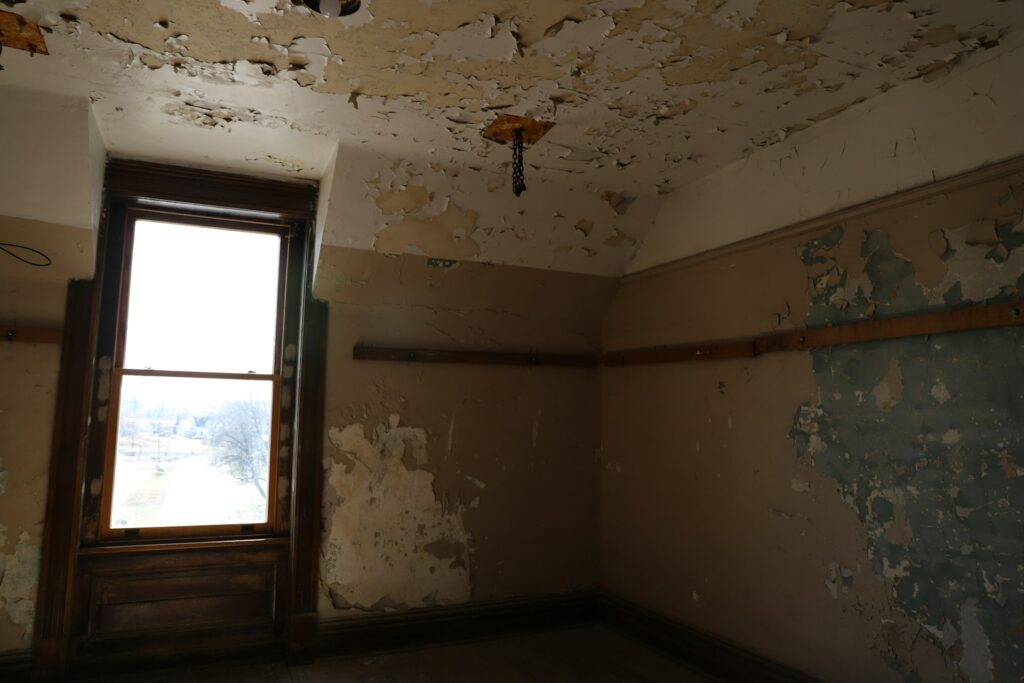
- Peeling paint or bubbling finishes on walls and columns
- Water staining on ceilings, under mezzanines, or around skylights
- Buckling or lifting floor tiles
Your nose is also a powerful tool. A persistent musty or earthy odor in certain aisles, cooler rooms, or mezzanine levels should never be ignored, even if everything looks clean. Odors that come and go with weather changes are often tied to moisture behind walls or above ceilings.
We encourage managers to be proactive by:
- Walking the facility on a regular schedule with moisture and mold in mind
- Using moisture meters to check suspicious walls, floors, and structural elements
- Tracking humidity and temperature with simple data loggers, especially in sensitive storage zones
- Including roof, gutter, and exterior wall checks in ongoing maintenance routines
Catching a small damp patch, a recurring odor, or warped materials early can save a great deal of time and expense later.
Smart Prevention and Mold Remediation Readiness
The best mold problem is the one that never has a chance to start. Moisture control and mold readiness go hand in hand.
On the building side, effective moisture control often includes:
- Regular roof and gutter inspections, cleaning, and timely repairs
- Weather sealing around dock doors and exterior man doors
- Ensuring proper slope and drainage away from the building perimeter
- Using vapor barriers and appropriate insulation in problem-prone areas
Inside the warehouse, you can reduce risk by focusing on indoor conditions:
- Keeping HVAC settings balanced so temperatures and humidity stay in a stable range
- Adding targeted dehumidification in high-risk areas such as coolers or record storage
- Improving air circulation around dense racking or dead corners of the building
- Zoning storage so sensitive goods stay in the most controlled environments
Prevention also means being ready to respond quickly if something goes wrong. That includes:
- Developing a written response plan for leaks, spills, or water intrusions
- Training staff on all shifts to report moisture, staining, or odors immediately
- Defining who has authority to shut down affected aisles or move inventory when needed
- Establishing a relationship with a qualified mold remediation partner before a crisis
When your team knows what to watch for and who to call, you can address small moisture incidents before they become long-term mold issues.
When Professional Mold Remediation Is the Right Call
Some minor mold issues on non-porous surfaces can be handled in-house, as long as they are small, accessible, and you can be sure the moisture source is resolved. A quick cleanup in a limited area with appropriate cleaning products, protective gear, and good ventilation might be enough.
However, it is time to bring in a professional mold remediation team when:
- Mold covers a large area or multiple locations
- Growth is present on structural materials like drywall, insulation, or wood framing
- Odors or symptoms persist even after apparent cleaning
- You are dealing with recurring moisture problems or past water damage
- Inventory, equipment, or finished goods may have been affected
A professional team like ours at GreenStar HomePro approaches mold remediation in warehouses as both a cleaning and an investigation process. A typical project can include:
- Tracing and identifying moisture sources that allowed mold to form
- Setting up safe containment so spores do not spread during work
- Using HEPA air filtration to capture airborne particles
- Removing or cleaning contaminated materials according to their type and use
- Thorough structural drying and targeted sanitizing of affected areas
Working in large commercial spaces, including Chicago-area warehouses and distribution centers, also means paying attention to operations. That can involve phasing work to reduce downtime, coordinating with your safety team, and providing clear documentation that supports communication with insurers or regulatory partners.
By pairing moisture control strategies with thoughtful mold remediation, you protect not only your inventory but also the long-term health and reliability of your facility.
Get Started With Your Project Today
If you’ve spotted signs of moisture or musty odors, now is the time to schedule professional mold remediation before the problem spreads. At GreenStar HomePro, we carefully inspect, treat, and help prevent future mold growth so your home stays healthy and safe. Tell us about your situation and we’ll put together a clear, straightforward plan that fits your needs. Reach out today through our contact us page to schedule your consultation.