
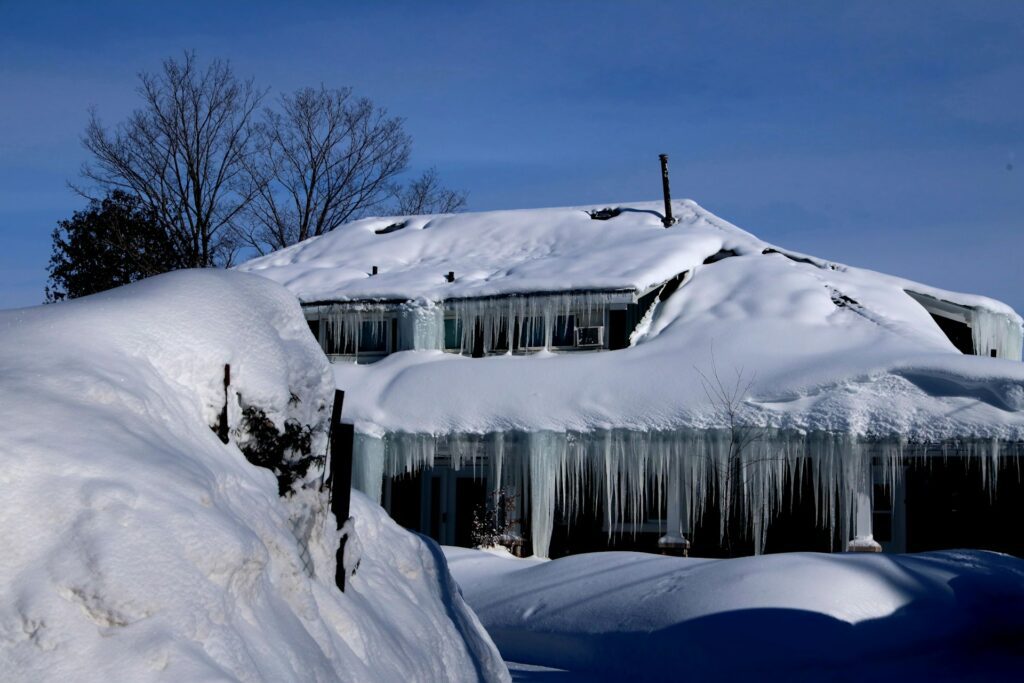
Why Winter Ice Buildup Turns Into an Attic Mold Problem
Ice dams are more than a nuisance along the edge of your roof. In our Chicago-area climate, repeated snow, thaw, and refreeze cycles can push water under shingles and directly into your attic. Once that moisture gets inside, it often lingers far longer than the snow outside, and that is where attic mold problems begin.
Inside the attic, moisture gets trapped against cold roof sheathing, rafters, and insulation. When air flow is limited, the surfaces stay damp, especially in corners and low spots. That combination of moisture, wood, and stagnant air gives mold exactly what it needs to grow on framing, roof decking, insulation paper, and even cardboard boxes or stored belongings.
This is not just a cosmetic issue for homes in suburbs like Northbrook, Glenview, or Deerfield. Ongoing moisture can weaken wood, reduce the effectiveness of insulation, and affect indoor air quality as spores move through small gaps and openings. A careful mold inspection in Northbrook can uncover hidden moisture pockets and early stage mold before you are forced into major repairs or extensive restoration work.
How Ice Dams Form and Feed Hidden Attic Moisture
Ice dams start with uneven roof temperatures. Warm air that leaks from your living space into the attic warms the upper portion of the roof. Snow on that section melts, even when outside temperatures are below freezing. As the meltwater flows down to the colder eaves and gutters, it refreezes and forms a ridge of ice.
Once that ice ridge is in place, the problem grows. Water from new melting snow cannot drain properly, so it backs up behind the ice. Under the right conditions, it creeps under shingles and flashing, then drips into the attic, soaking wood and insulation. Sometimes this is a slow, steady drip that never reaches your ceiling, so you do not realize anything is wrong.
Several common home issues make this cycle worse:
- Inadequate attic insulation that allows significant heat loss into the roof
- Poor air sealing around recessed lights, attic hatches, and plumbing or electrical penetrations
- Blocked or missing soffit vents that limit healthy air flow
- Heavy snow buildup that keeps feeding the ice dam for days
Even if the leaks are small, repeated wetting during winter, followed by slow drying in spring, can cause mold to take hold on the underside of roof sheathing. Over multiple winters, hidden mold growth can become extensive before you see obvious signs like interior ceiling stains or curling shingles.
Signs You May Have Attic Mold After a Harsh Winter
You do not have to wait for water to drip into a bedroom to suspect trouble. Your attic usually shows warning signs first, if you know what to look for. A quick check with a good flashlight can reveal early indicators that moisture and mold are present.
Common visual signs in the attic include:
- Dark, spotty, or fuzzy patches on roof sheathing or rafters
- Insulation that looks discolored, clumped, or compressed from getting wet
- Frost forming on nails or the tips of screws in very cold weather
- Areas where wood looks damp or slightly darker even after dry weather
Homeowners often notice indirect signs inside the living areas too. A lingering musty or earthy odor near the top floor, especially in hallways or closets, can be a clue. Some families find that allergy or respiratory symptoms feel worse during or right after winter, even when windows are closed. If ice dams seem to reappear every year in the same spots, that pattern also suggests a deeper moisture problem in the attic.
Because many of these symptoms are easy to miss from inside the home, periodic attic checks or a professional mold inspection in Northbrook are smart steps, particularly after severe snow and thaw cycles. Treat the situation as urgent if you see:
- Mold covering large areas of roof decking or multiple rafters
- Wood that feels soft, crumbly, or has visible rot
- Staining or musty odors spreading into upper floor closets, walls, or ceilings
Safe Mold Removal and Attic Drying Steps Professionals Use
When attic mold is present, the safest and most effective solution is a professional approach. At GreenStar HomePro, we start with a thorough inspection to pinpoint all affected areas and, just as important, to track down the moisture source that allowed mold to grow in the first place. Without solving the water problem, any cleaning is only a short-term fix.
Professional mold remediation typically includes:
- Setting up containment so mold spores do not spread to the rest of the home
- Using HEPA air filtration and protective gear for safe working conditions
- Removing heavily contaminated insulation or debris as needed
- Cleaning and treating structural wood with methods designed for mold problems
Drying the attic is just as important as removing visible growth. This can involve strategically placing air movers, running dehumidifiers, and adjusting ventilation so humidity levels drop and stay in a safe range. In some cases, small building changes, such as opening blocked vents or adding baffles, help keep air moving and prevent moisture from settling on cold surfaces.
DIY methods like spraying bleach, wiping surfaces, or simply painting over stained wood do not solve the underlying issue and can actually disturb spores. Without proper containment and filtration, they may spread mold into cleaner areas of the house. A professional mold inspection in Northbrook provides a clear picture of the scope of the issue so the attic can be safely restored instead of temporarily covered up.
Preventing Future Ice Dams and Attic Mold in Chicago Homes
Once the attic is dry and clean, prevention becomes the priority. The goal is to keep the roof surface cold and consistent in winter so snow melts slowly and evenly, instead of in patches that create ice dams. That starts with managing heat and moisture moving from your living space into the attic.
Key long term moisture control steps include:
- Adding or upgrading attic insulation to reduce heat loss
- Sealing gaps around light fixtures, attic hatches, pipes, and wiring
- Ensuring soffit and ridge vents are continuous and not blocked by insulation
- Keeping bathroom and kitchen exhaust fans vented outside, not into the attic
During winter, practical habits also help limit risk. Having snow removed from vulnerable roof edges, when it can be done safely, reduces the fuel source for ice dams. Heat cables can be used in specific trouble spots, but they should be viewed as a temporary tool, not a complete solution. Regular roof and gutter maintenance before cold weather sets in keeps meltwater moving away from the house instead of backing up along the eaves.
If you see recurring ice dams, notice moisture or staining in the attic, or deal with mold that seems to return after cleaning, that is a sign to involve a professional team. GreenStar HomePro serves homeowners and businesses throughout the Chicago suburbs, including Northbrook, with water damage restoration, mold remediation, and related cleaning services that support a healthier indoor environment.
Protect Your Home and Health Before the Next Freeze
Attic mold from ice dams rarely appears overnight. It usually builds up over multiple seasons of minor leaks and trapped moisture. A short attic check, looking for discolored wood, suspect insulation, or frost where it should not be, can give you valuable early warning. Addressing obvious insulation gaps or blocked vents now, instead of waiting for the next thaw, can prevent a small issue from turning into a major repair.
Handling attic moisture and mold early protects more than just wood and insulation. It supports cleaner indoor air, more consistent comfort in the upper floors, and the long-term value of your home. GreenStar HomePro is here as a local resource for expert guidance, detailed attic assessments, and professional mold remediation for Northbrook and the surrounding Chicago suburbs.
Protect Your Home With a Professional Mold Assessment Today
If you suspect moisture issues or musty odors, now is the time to schedule a thorough mold inspection in Northbrook with GreenStar HomePro. Our team will identify the source of the problem and explain clear, practical steps to restore a healthier indoor environment. To discuss your concerns or book an appointment, simply contact us at (847) 701-4111 and we will help you get started.