
When Water Soaks Your Home, Not Your Wallet
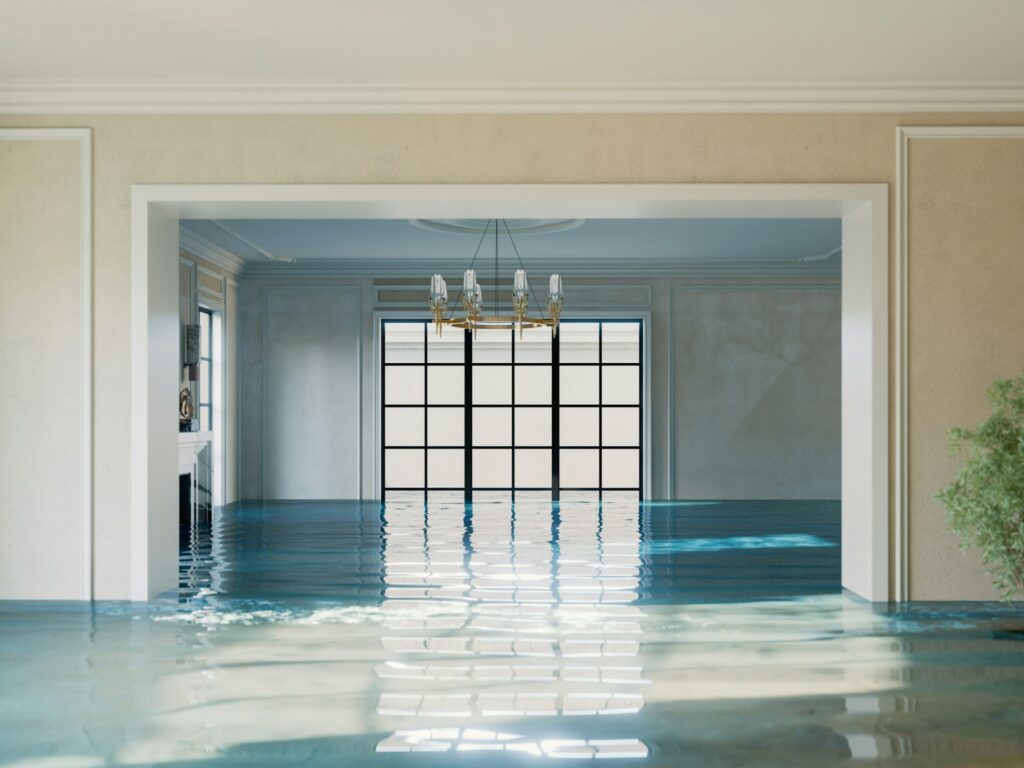
Water on your floor, in your walls, or dripping from the ceiling is more than a mess. It is a race against time that affects both your property and your insurance payout. In Palatine, a sudden pipe break, a failed water heater, or a heavy storm can leave inches of water inside a home or business before anyone can react. What happens in the next 24 to 48 hours often determines whether things go back to normal smoothly, or turn into a long, stressful fight with your insurance company.
Many policyholders assume that if water damage is “not their fault,” insurance will automatically take care of everything. Adjusters, on the other hand, are required to follow the exact language in your policy and keep claim costs down. Those two realities do not always line up. In this article, we are breaking down how water damage claims in Palatine really work, what adjusters may not explain, and how a professional restoration company like GreenStar HomePro can help protect both your building and your claim. The same issues come up with water damage in Skokie and other Chicago suburbs, so understanding the basics now can save a lot of frustration later.
How Insurance Really Looks at Water Damage in Palatine
Insurance companies do not treat every kind of water the same. The policy wording is what decides what is covered and what is not, so a little vocabulary goes a long way.
Here are some common terms you will see:
- Sudden and accidental: A quick, unexpected event, like a burst pipe or washing machine supply line that snaps.
- Long-term seepage: Slow leaks that happen over weeks or months, like a tiny drip behind a wall.
- Flood: Water coming from outside and touching the ground first, such as overflowing rivers or surface water.
- Interior water: Water that starts from inside the building, like a plumbing break, or from a storm that gets in through wind-damaged roofing.
Most standard policies are designed to cover direct, sudden, and accidental water damage from things like:
- Broken pipes that release water into walls or floors
- Appliance failures from dishwashers, refrigerators, or water heaters
- Roof leaks caused by covered perils like wind or hail that damage shingles
On the other hand, many policies exclude or limit coverage for:
- Gradual leaks that the insurer says were visible or should have been fixed earlier
- Moisture from poor maintenance, like worn-out caulking or failing roofing over time
- Groundwater pushing through foundations
- Flooding from outside sources unless you carry a separate flood policy
We see similar patterns with water damage in Skokie, Palatine, and other nearby areas, but no two policies are exactly alike. Even houses on the same street can have different endorsements or exclusions. That is why reading your policy, especially the water damage and mold sections, is so important before a loss ever happens.
What Adjusters Do Not Always Tell You About Your Claim
Insurance adjusters work for the insurance company, not for the policyholder. Many are fair and professional, but their job is still to evaluate damage and control costs according to company guidelines. That can create gray areas that do not always get explained clearly.
Some key points that often get glossed over:
- You can usually choose your own restoration contractor. You are not forced to use only the “preferred vendor” list that the insurer suggests.
- You have the right to a full explanation of why certain work is or is not approved. You can ask that in writing.
- Industry-standard drying sometimes requires removing baseboards, cutting out wet drywall, or pulling up flooring. Suggestions to “just dry it in place” may be cheaper in the short term but can increase the risk of mold or lingering odors.
A company like GreenStar HomePro can help by creating detailed, professional documentation that supports the true scope of work needed, including:
- Moisture readings and drying logs that show how far water traveled
- Thorough photo sets before, during, and after mitigation
- Written descriptions of damaged materials, affected rooms, and recommended repairs
That kind of documentation helps your adjuster understand why certain work is necessary, and it can be very helpful if questions come up later in the claim.
Hidden Pitfalls That Can Shrink Your Payout
Even if your loss is covered, the final check can be a lot smaller than you expect. There are several built-in features in many policies that can catch people off guard.
Common pitfalls include:
- Deductibles and limits: Separate deductibles for wind, water backup, or named storms; low sub-limits for mold or sewer backup; caps on certain types of property.
- Depreciation: If your policy pays Actual Cash Value, the insurer can subtract for age and wear of materials like carpeting, drywall, and cabinets. With Replacement Cost, you may have to complete repairs and submit proof before you recover that depreciation.
- Mold limits: Even when water damage is covered, mold remediation might be limited to a relatively low dollar amount, which affects how far the budget can stretch.
Temporary repairs and emergency work are another area of confusion. Many home and business owners wait for the adjuster before doing anything, worried that work will not be reimbursed. In reality, policies generally expect you to:
- Take reasonable steps to stop the leak and prevent further damage
- Remove standing water and start drying as soon as safely possible
- Keep receipts and records of emergency services
Reasonable mitigation is usually covered, even if you had to start before anyone from the insurance company came out. We see this with water damage in Skokie and across Cook County: two similar events can lead to very different outcomes depending on how quickly mitigation started, how well everything was documented, and how clearly the necessary work was explained.
Protecting Your Home and Your Claim From Day One
The first hours after water damage are hectic, but a simple plan can help you stay organized and protect your interests.
Start with these steps:
- If safe, stop the source of water by closing valves or shutting off the main.
- Take photos and videos of everything from multiple angles before moving items.
- Move belongings out of standing water if it is safe, especially electronics and important documents.
- Contact your insurance company to report the loss.
- Contact a professional restoration company quickly to start mitigation.
When a professional team like GreenStar HomePro arrives, we use tools such as moisture meters and thermal imaging to track where the water went, even inside walls or under flooring. Proper drying equipment and proper setup are not just about comfort; they help build your claim file by:
- Showing the exact areas that were wet and needed demolition or drying
- Proving that drying conditions were maintained long enough
- Documenting materials that could not be salvaged
It can also help to have your contractor walk through the property with the adjuster. When both sides use the same technical language and reference industry standards, it is easier to justify why certain materials must be removed or why extra days of drying are needed.
We also recommend keeping a simple claim diary. Write down:
- Dates and times of calls or visits
- Names and titles of everyone you speak with
- What was said or promised
- Copies or summaries of any emails or letters
This record can be extremely helpful if questions or disagreements come up weeks later.
From Confusion to Control: Your Next Steps After Water Damage
Water damage can make any property owner feel powerless, but you still have rights and choices. You can choose your own contractor, ask your insurer to explain decisions in writing, and request a re-inspection if something does not seem right. You can also push back politely if recommended repairs do not seem to fully address the damage you are seeing and feeling in your home or business.
The best time to prepare is before anything goes wrong. We encourage Palatine homeowners and business owners to review their policies for water, sewer backup, and sump pump coverage, and to talk with their agents about endorsements that make sense for their buildings. These same steps are smart for anyone dealing with water damage in Skokie or other nearby suburbs.
If you do have a water loss, having a professional restoration team like GreenStar HomePro assess the damage can bring clarity in a stressful moment. With careful documentation, clear communication, and timely mitigation, you can protect both your property and the insurance benefits you have been paying for, turning a confusing situation into one you can manage with confidence.
Get Started With Your Project Today
If you are dealing with water damage in Skokie, we are ready to respond quickly and help protect your home from further issues. At GreenStar HomePro, our team will inspect the damage, outline clear next steps, and start restoring your property as soon as you give the go-ahead. Reach out today so we can schedule a prompt visit and answer any questions you have about the restoration process. If you prefer, you can also contact us online to get started.