
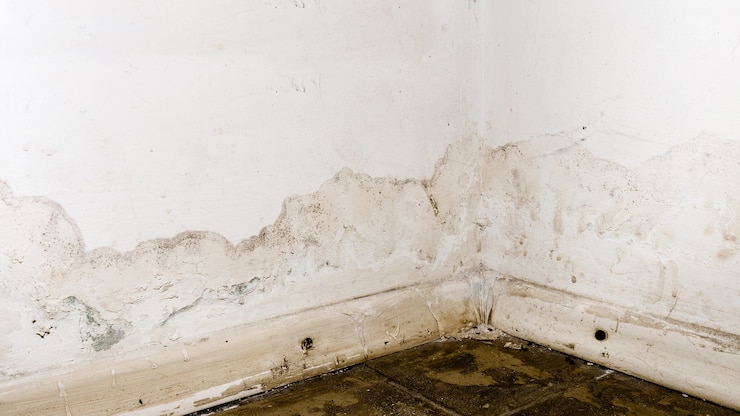
Stop Ignoring That Moist Basement Smell
A moist, musty smell in the basement after a storm might feel normal, especially in older Lake Zurich homes. Many people shrug it off, crack a window, and move on. The problem is that even mild, recurring dampness is your home quietly asking for help.
Moisture that lingers can weaken building materials, feed mold, and spread odors into the rest of the house. That means indoor air quality drops, allergies can flare up, and hidden damage can grow behind walls and under floors. As a third-generation restoration-and-cleaning company serving the Chicago area, including Lake Zurich, we have seen tiny moisture issues grow into major repairs when they are ignored.
Here, we will walk through the subtle and obvious warning signs of a moist basement, how they affect your health and home value, and what smart steps to take for drying a wet basement in Lake Zurich before the next storm rolls in.
Subtle Signs Your Basement Is Holding Hidden Moisture
Your nose often notices trouble before your eyes do. A basement that smells musty or earthy, especially after rain or during humid early summer days, is sending a message. When that smell never fully goes away, even with fans or open windows, it usually means moisture is trapped in building materials or contents.
Some quiet clues to watch for include:
- Odors that return after every rain or on muggy days
- A “damp soil” or “old towel” smell that lingers
- Air that feels heavy or sticky, even when the temperature is cool
Condensation is another early sign. If you see water beading up on basement windows, pipes, or concrete walls, the air is holding more moisture than it should. Surfaces that look like they are sweating point to high humidity and poor ventilation. Over time, that moisture can soak into wood, drywall, and insulation.
Pay attention to your walls and paint too. Subtle surface changes can mean water is moving through concrete or masonry from the outside in. Watch for:
- Peeling or flaking paint
- Bubbling or blistering on painted walls
- A white, chalky powder (called efflorescence) on brick, block, or concrete
That white residue is left behind when water pushes through the material and then evaporates, leaving salts on the surface. It is a big red flag that moisture is not just in the air, but actually traveling through your foundation.
Visible Clues Your Basement Is Begging for Help
Once moisture problems become visible, they are rarely “minor.” Dark or discolored spots on walls, baseboards, or carpet mean water has already soaked in. Trim that bows or warps, or doors that start sticking, can signal that wood has absorbed moisture and swelled.
Take a closer look at:
- Rust on metal support posts, appliances, or shelving
- Stains or rings on drywall a few inches up from the floor
- Carpet that feels cool, slightly damp, or has a darker edge near walls
Cracks in walls or floors might seem like normal settling, but moisture and hydrostatic pressure can make them worse. Hairline cracks can widen as water seeps in and freezes, or as soil around the foundation holds more water.
You should be especially cautious with any hint of mold. Early mold growth often looks like:
- Fuzzy or dusty patches on walls, baseboards, or ceiling tiles
- Tiny black, green, or gray spots that seem to spread over time
- Spots on cardboard boxes, stored clothing, or furniture
Ignoring these signs can turn a small, localized problem into a full mold remediation project. Mold spreads by releasing spores into the air, and damp basements give it everything it needs to grow.
How Wet Basements Threaten Health and Home Value
A damp basement is not only a home maintenance issue; it is also a health concern. Moist, humid spaces are perfect for mold and dust mites. For many families, this can mean:
- More sneezing, coughing, or stuffy noses
- Asthma flare-ups or breathing trouble, especially in kids and older adults
- Irritated eyes, skin, or throat after spending time at home
Even if you rarely use the basement, the air from that level can move through the rest of the house. That means the whole home can be affected, not just one room.
Moisture is also tough on your home’s systems and belongings. Over time, it can lead to:
- Damaged flooring, from lifted tiles to warped hardwood above the basement
- Wet or compacted insulation that no longer works well
- Ruined furniture, cardboard boxes, and stored keepsakes
- Rust and corrosion on HVAC equipment, water heaters, or electrical components
When it comes time to sell, a history of wet basements can worry buyers and home inspectors. Stains, musty smells, or visible mold often become inspection notes that can slow down a sale or lead to lower offers, especially in areas like Lake Zurich where buyers have choices and compare homes closely.
Smart Steps for Drying a Wet Basement in Lake Zurich
If you discover moisture or minor flooding, it is important not to ignore it. Quick action can keep a bad situation from getting worse. Homeowners can start by:
- Moving belongings out of damp areas to a dry location
- Increasing airflow with fans, if it is safe to use electricity
- Running dehumidifiers to help pull moisture out of the air
- Taking photos and notes to document what you see
In the Lake Zurich area, early summer storms and rising groundwater can cause moisture to return even after it looks dry on the surface. If you notice the same spots getting damp again, or if a large area is affected, a professional assessment becomes very important.
A trained restoration team does more than just dry what you can see. Professional help often includes:
- Moisture mapping to find hidden wet spots inside walls and under floors
- Safe structural drying that protects framing, drywall, and flooring
- Checking for hidden mold growth behind surfaces
- Recommending long-term solutions like drainage improvements or waterproofing ideas
Drying a wet basement in Lake Zurich is not just about fans and towels. It is about finding the source, removing hidden moisture, and helping prevent the problem from coming back.
When to Skip DIY and Call a Third-Generation Pro
Some basement issues are beyond what most homeowners should try to handle on their own. It is time to bring in experienced help when:
- There is standing water on the floor
- Carpet, walls, or baseboards keep getting wet again
- A musty odor lasts longer than a day or two, even after airing out
- You see any visible mold or suspect it is growing behind materials
This is where a family-owned company with decades of experience can make a real difference. With more than 50 years and three generations in restoration and cleaning, our team has seen how small moisture problems start, how they spread, and how to stop them with care. We know these homes are not just buildings; they hold family memories and important belongings.
Because we work in the Chicago area, including Lake Zurich and its suburbs, we understand local soil conditions, weather patterns, and the quirks of older basements here. That local knowledge helps us plan the right approach for drying a wet basement in Lake Zurich, from the first inspection to the final check for dryness.
Protect Your Lake Zurich Home Before the Next Storm
One of the best things you can do this week is walk your basement with a “moisture checklist” mindset. Move slowly and use all your senses. Ask yourself:
- Do I smell anything musty or damp, even faintly?
- Do I see stains, rust, or white chalky residue on walls or floors?
- Is there condensation on windows, pipes, or cold surfaces?
- Are there any cracks, soft spots, or warped trim I have ignored?
Catching these signs early can keep a moist basement from turning into a full-blown disaster. With prompt attention and support from a trusted, family-owned restoration partner, you can protect your family’s health, preserve your home’s value, and feel confident before the next round of storms hits Lake Zurich.
Get Started With Your Project Today
If you need expert help drying a wet basement in Lake Zurich, our team at GreenStar HomePro is ready to respond quickly and professionally. We assess the damage, remove moisture, and help prevent future issues so your basement can be safe and usable again. Reach out today and let us handle the hard work while you focus on getting life back to normal, or contact us now to schedule service.