
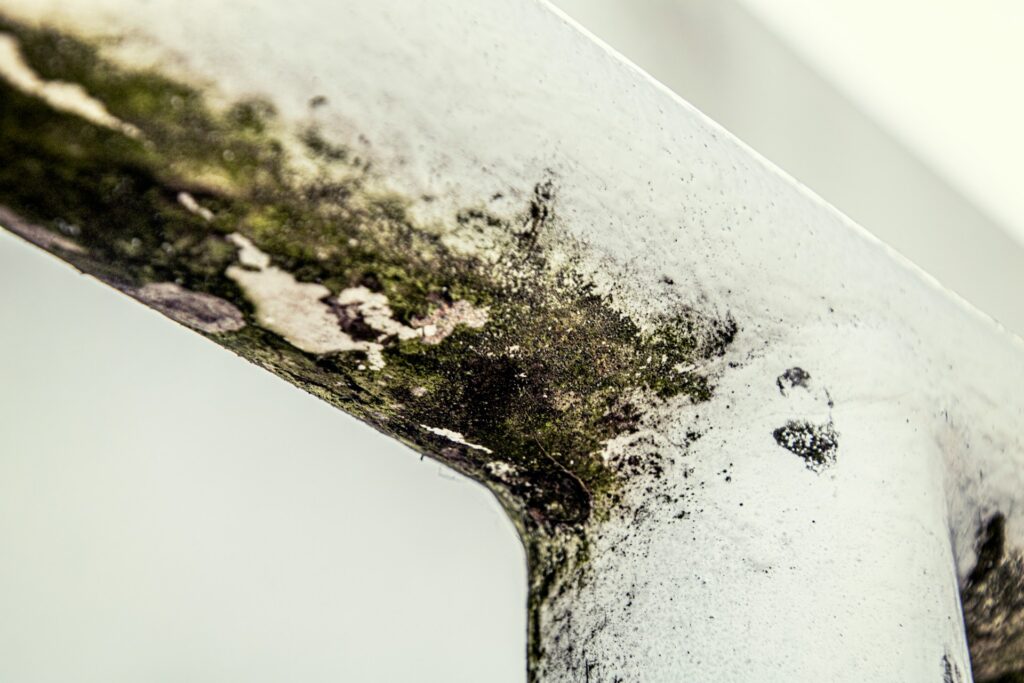
Why Mold Is a Serious Issue in Cook County Homes
Mold is a type of fungus that grows where moisture and organic material meet. In Cook County, our mix of humidity, heavy rains, snowmelt, and older housing stock with basements and crawlspaces gives mold plenty of opportunities to move in. Even in a well-kept River Forest home, a damp corner in the basement or a slow plumbing leak inside a wall can create a perfect environment for mold growth.
The challenge is that mold is often hidden. It can spread behind drywall, under carpeting, inside insulation, beneath bathroom tile, or in an unfinished attic. A quick visual check or wiping what you can see on a surface does not tell you how far the problem has spread or where moisture is still feeding it.
Uncontrolled mold can lead to soft or crumbling drywall, stained ceilings, warped floors, and persistent odors that make it hard to enjoy your home. It can also affect how buyers and insurers view the property, especially after significant water events. The Cook County Assessor provides general guidance on how damage can affect property records in its resource on property assessments after natural disasters, and serious mold issues often arise from those same kinds of events.
Because mold ties directly to moisture and air quality, and because it so often hides in building materials, doing it yourself with basic cleaning products rarely fixes the root cause. In many Cook County homes, professional help from a company like GreenStar HomePro is the safest way to remove existing mold and stop it from coming back.
How to Spot Mold Problems Before They Spread
Catching mold early is one of the best ways to keep the repair and cleanup manageable. Homeowners in River Forest and nearby suburbs should pay attention to small changes that hint at a bigger problem.
Common warning signs include:
- Persistent musty or earthy odors, especially in basements or closets
- Discoloration or staining on walls, ceilings, or baseboards
- Peeling or bubbling paint and wallpaper
- Warped or buckling wood flooring or trim
- Recurring cold- or allergy-like symptoms that ease when you leave the house
Sometimes you will see visible mold, such as black, green, or white spots, but just as often the only clue is moisture. Signs that strongly hint at hidden mold include:
- Condensation on windows or along cold walls
- Damp or clammy surfaces that never feel fully dry
- A history of roof leaks, plumbing leaks, or basement seepage
- A recent incident like a washer overflow, sump pump failure, or sewer backup
In River Forest, IL, older homes with finished basements are especially vulnerable. Many are close to the Des Plaines River, which means heavy rains and rising groundwater can push moisture toward foundations. If a storm overwhelms your sump pump or water sneaks in through small foundation cracks, carpeting, baseboards, and wall cavities can stay wet long enough for mold to take hold.
If you have had any of the following, it is smart to suspect a serious issue and not ignore it:
- Basement flooding after a storm
- Ice dams along the roof leading to interior leaks
- A toilet or sewer backup that soaked flooring or walls
- Repeated minor leaks in the same plumbing line
The earlier you call in an inspection, the better chance you have of limiting both damage and cost.
Health and Safety Risks Every Homeowner Should Know
Mold does not affect every person in the same way, but indoor mold growth is never something to shrug off. Many people find that moldy environments aggravate:
- Asthma and other breathing conditions
- Chronic coughing or throat irritation
- Sinus congestion and recurring infections
- Headaches and general fatigue
Children, older adults, and anyone with allergies or a compromised immune system can be especially sensitive. The Canadian Centre for Occupational Health and Safety has a clear overview of these concerns in its guide to indoor air quality, molds, and fungi, and the general principles apply inside homes in Cook County too.
There are many different types of mold. Some are considered more of a nuisance, while others can produce mycotoxins under certain conditions. From a homeowner’s standpoint, the key point is simple: any significant mold growth indoors is a problem that deserves prompt attention, not panic but not delay either.
DIY mold cleaning with bleach is one of the most common mistakes we see. Bleach may lighten a stain, but:
- It does not reach mold rooted in porous materials like drywall and wood
- It can leave extra moisture behind, which mold likes
- Scrubbing without proper protection can send more spores into your air
In rental and commercial properties in Illinois, owners and managers have a responsibility to address conditions that affect indoor air quality and building safety. When professionals handle remediation, you also get documentation of what was done and where, which can be important for landlords, property managers, and tenants who need records of the work.
What Professional Mold Removal Really Involves
Professional mold remediation is much more than wiping surfaces. At GreenStar HomePro, we follow an organized process designed to protect both people and property.
A typical project includes:
- Inspection and moisture assessment to locate visible and hidden growth
- Containment of affected areas using plastic barriers and negative air pressure
- Air filtration with HEPA equipment to help capture spores released during work
- Removal of heavily contaminated porous materials that cannot be safely cleaned
- Thorough cleaning and sanitizing of remaining surfaces
- Drying and dehumidification to bring moisture levels under control
Moisture control is just as important as the cleanup itself. If a roof leak, plumbing issue, poor exterior drainage, or high indoor humidity is not handled, mold will likely return in the same spot or nearby. That is why an experienced team looks beyond the visible growth to identify what fed it.
Licensed and trained professionals wear appropriate personal protective equipment, handle materials carefully to avoid spreading spores, and dispose of debris in a safe and compliant way. In River Forest and throughout Cook County, homes range from older brick houses with stone basements to modern condos and multifamily buildings. A provider familiar with mold removal in River Forest, IL, and surrounding areas understands how different construction styles, shared walls, and common areas change the approach to containment and access.
Choosing the Right Mold Removal Partner in Cook County
When you are dealing with mold in your home or business, the company you choose matters. There are several things we suggest looking for:
- Training and hands-on experience in water damage restoration and mold remediation
- Proper business insurance
- Local knowledge of Chicago-area housing and building materials
- Clear explanations of their process, including inspection and moisture control
You will also want to watch for red flags. Be cautious of contractors who:
- Promise instant results without visiting the property
- Quote a final price over the phone before seeing the damage
- Skip containment or do not mention HEPA air filtration
- Focus only on staining, not on the moisture source
One advantage of working with a company that also provides water damage restoration and cleaning services is that you get a more complete return to normal. After mold is removed and damaged materials are addressed, carpets, flooring, and upholstery may still need deep cleaning. A provider like GreenStar HomePro, which handles both water-related issues and cleaning, can coordinate the steps so your space feels clean, dry, and comfortable again.
Fast response is especially important in Cook County’s wet seasons, when a storm or plumbing issue can quickly turn into a mold problem if water lingers. Having local technicians who already serve River Forest and nearby communities means help can arrive quickly when mold removal in River Forest, IL is needed after a leak, flood, or backup.
Protecting Your Home From Future Mold Growth
Once mold has been dealt with, prevention becomes the priority. A few practical habits can make a big difference in Cook County homes:
- Keep gutters and downspouts clear and direct water away from the foundation
- Maintain proper grading so soil slopes away from your house, not toward it
- Use dehumidifiers in basements and other naturally damp spaces
- Run exhaust fans or open windows when cooking and showering, and let them run long enough to clear steam
- Have problem areas checked after big storms or snowmelt
When you have a minor leak or spill, how you respond in the first day or two matters:
- Dry wet materials within 24 to 48 hours if possible
- Pull up wet carpet padding if it has been soaked, since it holds moisture
- Use fans and dehumidifiers together, and empty the dehumidifier regularly
- Keep an eye out for lingering odors or new stains over the next few weeks
Ongoing cleaning and maintenance help too. Professional carpet and floor cleaning, especially after a small water incident, removes residue and fine debris that can trap moisture. Post-flood cleanup that includes thorough drying and cleaning of floors, baseboards, and nearby surfaces lowers the odds that mold will return in hidden spots.
For River Forest and greater Cook County homeowners, it also helps to have an emergency plan. Know where your main water shutoff is, keep basic supplies for containing small leaks, and decide in advance who you will call for significant water damage or suspected mold. That way you can move quickly instead of scrambling while conditions get worse.
Take Control of Mold Issues Before They Control Your Home
Mold growth indoors is both a health concern and a threat to the structure and value of your home, but it does not have to get out of hand. Recognizing early warning signs, understanding the risks, and knowing what professional remediation involves put you in a stronger position to protect your property.
For Cook County homeowners, especially in areas like River Forest where basements, older construction, and heavy rains all come together, a thorough inspection and a thoughtful remediation plan can provide real peace of mind. When you combine that with long-term prevention, ongoing maintenance, and a clear response plan for future water issues, you are taking concrete steps to safeguard your family, your indoor air, and the long-term comfort of your home.
Protect Your River Forest Home With Fast, Professional Mold Removal Today
If you are seeing signs of moisture or musty odors, now is the time to schedule expert mold removal in River Forest, IL before the problem spreads. At GreenStar HomePro, we use proven, detailed methods to identify the source, remove contamination, and help prevent it from coming back. Reach out to our team with your questions or request an appointment through our contact us page so we can restore a safer, healthier home for you.