
Hidden Mold, Visible Costs: Why Businesses Should Care
Indoor mold problems in commercial buildings rarely start with something dramatic. They creep in quietly, showing up first as a faint musty odor, a small water stain, or a few more employees calling in sick than usual. On the surface, the space still looks like a clean, modern office or retail location, but productivity is dropping and no one can quite put a finger on why.
From our perspective, working in water damage restoration and mold remediation throughout the Chicago area, mold issues are as much a business problem as a building problem. Mold affects employee health, day-to-day operations, and even legal exposure for owners and managers. It is not just a housekeeping concern for the janitorial crew. It is a risk that touches HR, finance, operations, and long-term property value, especially in high-value areas that rely on consistent occupancy and client traffic, such as Highland Park.
That is where professional support makes a difference. At GreenStar HomePro, we help property owners and facility managers address the root causes of mold, from water damage restoration to ongoing moisture control. For many commercial clients, that starts with a detailed mold inspection in Highland Park and other Chicago suburbs so they understand what is happening behind the walls before it grows into a bigger problem.
How Mold Affects Employee Health and Everyday Productivity
Mold thrives where there is moisture and organic material, and commercial buildings offer plenty of both. We often see mold-related issues that can be traced back to:
- Past water damage that was never fully dried
- Slow plumbing leaks inside walls or under restrooms and break rooms
- Roof leaks that show up as recurring stains on ceiling tiles
- HVAC condensation around vents or within ductwork
- Carpets, padding, and flooring that stayed damp after a spill or flood
When mold gains a foothold, it can affect indoor air quality. Workers who spend long hours in that environment may start to notice symptoms such as:
- Headaches or unusual fatigue during or after work
- Irritated or watery eyes and scratchy throat
- Coughing, congestion, or sinus pressure
- Asthma flare-ups or difficulty breathing for sensitive individuals
- Worsened seasonal or environmental allergies
Individually, these complaints can be easy to dismiss as a cold going around or typical allergy season. Collectively, they create a pattern that drags down productivity. Employees who do not feel well tend to:
- Take more sick days, both short-notice and extended
- Struggle to concentrate or maintain focus
- Work at a slower pace, especially in knowledge-based roles
- Make more mistakes with details, numbers, or customer interactions
Over time, this affects more than output. When staff members feel their concerns about a musty smell, visible spots on a wall, or recurring symptoms are brushed aside, it hurts morale. People may start to talk among themselves about the building making them sick, which erodes trust in management and makes it harder to retain top talent. For client-facing spaces, poor air quality can also shorten meetings and make visitors less comfortable staying in the building.
Legal and Financial Risks of Ignoring Commercial Mold
Beyond the human impact, mold issues carry real legal and financial implications. Employers and property owners have a responsibility to keep workplaces reasonably safe. When mold problems are allowed to linger, especially after staff or tenants have reported concerns, that responsibility can come into question.
Some of the risks that can surface when mold is ignored include:
- Workers’ compensation claims that cite building-related illness
- Tenant complaints documented in writing, which can escalate if not resolved
- Potential lawsuits if a pattern of neglect can be shown
- Insurance disputes when long-term moisture damage was never addressed
Legal costs are only one part of the equation. Mold can trigger a ripple effect of unplanned expenses, such as:
- Emergency closures of entire floors or buildings while damage is addressed
- Short-notice relocation of staff to temporary spaces
- After-hours or rush remediation work that is more expensive than planned maintenance
- Permanent damage to drywall, ceilings, flooring, and contents
- Reduced property value when mold history appears in building records
- Reputation damage if staff, tenants, or clients share their experience publicly
By contrast, documented due diligence can help reduce this exposure. That can include regular building inspections, moisture checks after storms, and prompt evaluation of any suspected mold. In areas like Highland Park and the surrounding North Shore communities, many owners build mold inspection into their routine maintenance plan. When there is a clear record that professional inspections were performed and recommendations were followed, it shows a good-faith effort to keep the environment safe.
Warning Signs of Mold Issues in Offices and Facilities
Mold is not always obvious. Sometimes it hides behind walls, under carpet, or inside mechanical rooms that few people visit. Still, commercial properties tend to show early warning signs if you know what to look for.
Common red flags include:
- Musty, earthy, or damp odors that never fully go away
- Recurring water stains on ceilings, especially after rain
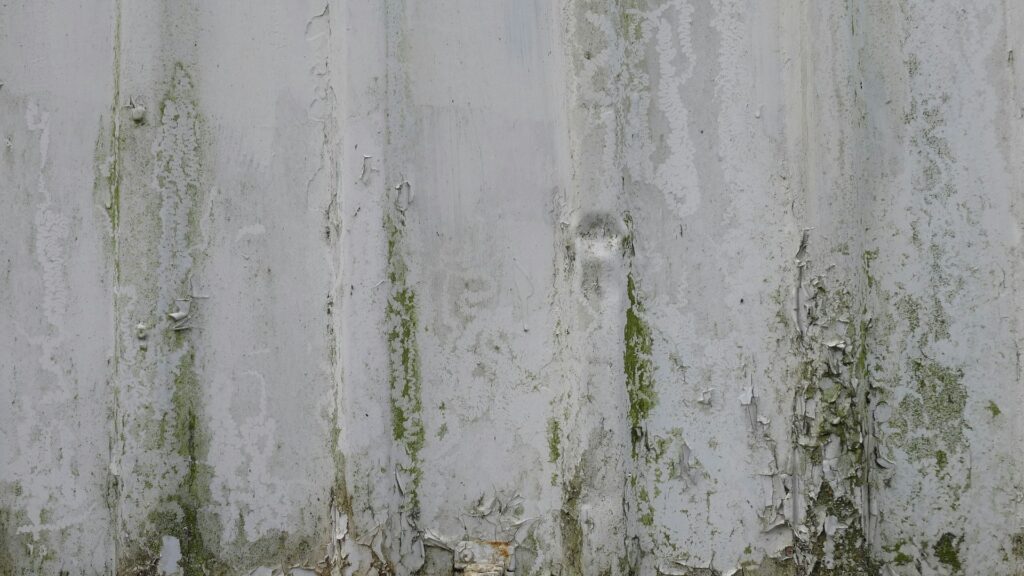
- Peeling paint, bubbling drywall, or warped baseboards
- Carpets or rugs that feel damp or have darkened patches
- Rust or corrosion around HVAC units, pipes, or window frames
Employee feedback can be just as important as what you see. Pay attention if multiple people report that:
- Symptoms improve when they are away from the building for a few days
- Certain areas or floors trigger more coughing, fatigue, or headaches
- The building feels “stuffy” or “heavy” even when thermostats look normal
Often, any visible mold on a wall or ceiling is only a small part of the overall problem. Mold can spread inside wall cavities, under subfloors, or in HVAC components where it is not easily seen. A quick wipe-down with household cleaner or paint over the spot may make it look better temporarily, but that does not address the moisture source or airborne spores.
Janitorial teams play a key role in day-to-day cleanliness, but they typically are not equipped to diagnose structural moisture, track hidden leaks, or separate surface staining from active mold growth. In some cases, aggressive scrubbing without proper containment can disturb mold and spread spores into the air or adjacent rooms. This is why a professional assessment is so important once mold is suspected, especially in larger buildings and multi-tenant spaces.
Proactive Mold Prevention and Professional Inspections
The best way to deal with mold in commercial buildings is to limit its opportunity to grow in the first place. That means staying on top of both moisture control and routine maintenance. Practical steps include:
- Fixing roof, window, and plumbing leaks as soon as they are discovered
- Keeping gutters, downspouts, and exterior drains clear so water flows away from the building
- Maintaining HVAC systems, including filters and condensate lines, to limit moisture buildup
- Managing indoor humidity and promptly drying any water intrusions
- Cleaning and drying carpets and hard flooring after spills or minor flooding
Even with strong maintenance habits, it is still smart to have periodic professional inspections, especially in regions with older buildings or frequent freeze-thaw cycles like the Chicago area. A thorough mold inspection often includes:
- Visual evaluation of high-risk areas such as basements, mechanical rooms, and restrooms
- Moisture mapping to identify damp materials or hidden leaks
- Targeted air or surface sampling when appropriate to clarify concerns
- A written report that outlines findings and practical recommendations
For many commercial properties, setting up recurring mold inspection in Highland Park and nearby communities is a way to catch small issues early, before they evolve into major disruptions. Regular inspections also help owners budget for repairs and improvements, rather than reacting only when something fails.
Our team at GreenStar HomePro supports this proactive approach by combining several services. Water damage restoration helps stop moisture problems at the source. Mold remediation addresses contamination safely and thoroughly. Carpet and floor cleaning helps remove trapped dirt and moisture that could otherwise contribute to poor indoor air quality. When these elements work together, the building becomes a healthier, more predictable environment for everyone who spends time there.
Protecting People and Your Business Starts Today
Mold in commercial buildings is not just a cosmetic issue or a minor inconvenience. It can quietly affect employee health, day-to-day productivity, legal exposure, and long-term operating costs. Left unaddressed, a small leak or musty corner can grow into a serious disruption that affects your team, your tenants, and your bottom line.
The first step is simply paying closer attention. Walk your property with a critical eye for moisture, staining, and musty odors. Keep a record of any recurring issues and how they are addressed. Listen carefully when employees mention symptoms that seem tied to certain areas of the building. When concerns do arise, bringing in a professional to evaluate the situation, whether through targeted water damage assessment or a full mold inspection in Highland Park and across the Chicago area, gives you the information you need to make sound decisions and protect both people and property.
Protect Your Home and Family With a Professional Mold Check
If you have any signs of moisture problems or unexplained health symptoms, now is the right time to schedule a thorough mold inspection in Highland Park. At GreenStar HomePro, we carefully assess your property, identify problem areas, and explain clear next steps so you can act with confidence. To ask questions, request a quote, or book an appointment, simply contact us and we will help you get started.