
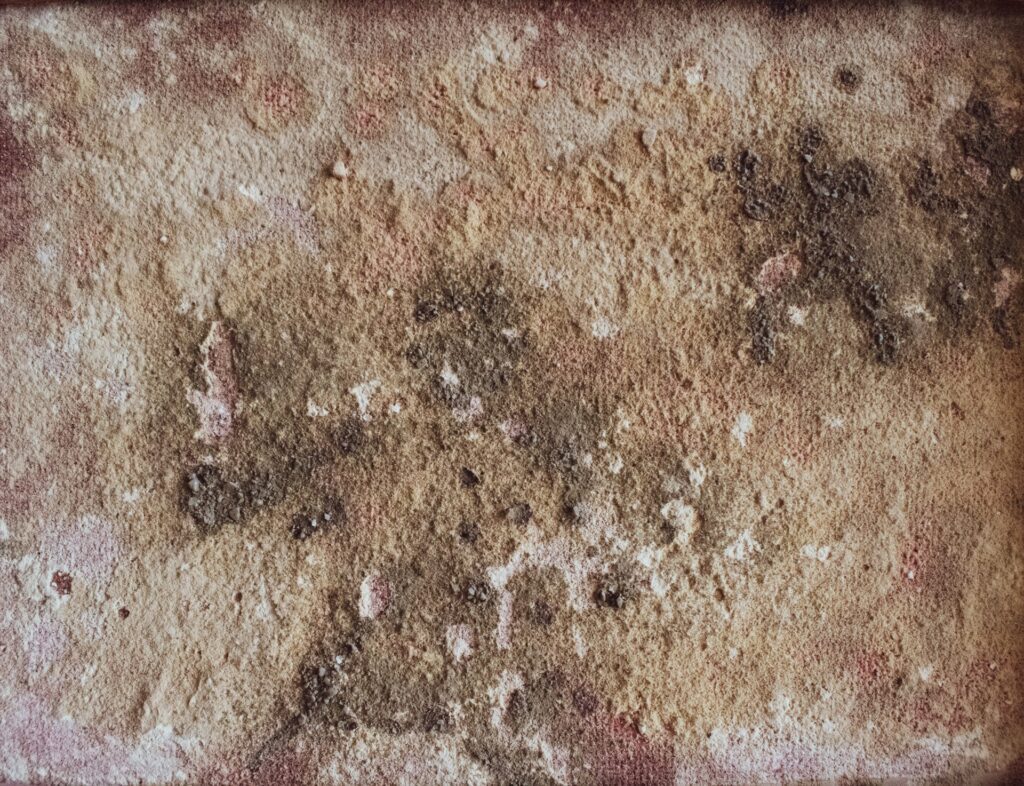
When That Dark Spot Is Not What You Think
Finding a dark patch on a bathroom ceiling or along a basement wall in your Deerfield home can be unnerving. Many homeowners immediately jump to the term everyone has heard, “toxic black mold,” and start picturing worst-case scenarios. That fear is understandable, especially in older North Shore homes where moisture problems are common. But not every dark stain is dangerous mold, and not every mold colony is the kind that justifies full-scale panic.
At GreenStar HomePro, we spend a lot of time helping Chicago-area homeowners sort out what they are really seeing on walls, ceilings, and carpet. In this article, we will clear up common myths about black mold, explain what those suspicious spots might actually be, and show where professional inspection or mold testing in Lake Bluff, Deerfield, and nearby suburbs makes sense.
What “Black Mold” Really Means
The phrase “black mold” sounds specific, but it is actually a broad, informal label people use for any dark-colored mold. Technically, the concern most people are talking about is a species called Stachybotrys chartarum. Under certain conditions, this mold can produce mycotoxins, which is why it gets so much attention.
Here is what often gets missed:
- Many molds are naturally dark, including greenish-black, brown, or gray varieties.
- Some lighter molds darken over time as they age or dry out.
- Color alone never confirms what species you are dealing with or how risky it may be.
Light levels, how wet a surface is, the material the mold is growing on, and how long it has been there all change how mold looks. A fresh patch on drywall may look olive or gray, then deepen in color within a few days. On wood, the same mold species can look entirely different than it does on painted concrete.
Because of this, trying to identify mold by scrolling through photos online is frustrating and unreliable. Even trained professionals do not make health or remediation decisions based on color alone. We rely on inspection and, when appropriate, lab testing to understand what is actually present.
Common Mold Look-Alikes in Deerfield Homes
A lot of what panicked homeowners see in Deerfield and nearby suburbs is not mold at all, or at least not the type they fear. That does not mean you should ignore it, but it does change how urgently you need to respond.
Some of the most common look-alikes include:
- Condensation staining and dirt: Moisture at windows, along vents, and in bathrooms often attracts dust and grime. Over time it forms dark streaks or blotches that look moldy. The difference is that dirt does not have the fuzzy or velvety texture mold often shows up with. A mild cleaner usually removes these stains, although recurring grime can signal a humidity problem that still needs attention.
- Efflorescence and mineral deposits: On basement walls, concrete floors, or brick, you might see white or gray, powdery or fuzzy patches. This is often efflorescence, which is salt left behind when water moves through masonry and then evaporates. It brushes off easily and does not spread the way mold does, but it is still a sign that moisture is moving through the structure.
- Mildew versus mold: In bathrooms, that dark line on shower grout or the spots on a curtain are often mildew, a type of surface-level fungus that usually stays on top of tile or caulk. Mildew often responds well to regular cleaning and better ventilation. However, if you start to see growth spreading onto drywall, trim, or the ceiling, that points beyond simple mildew and is worth a closer look.
Even when these issues are not toxic black mold, they are still telling you something:
- There is regular moisture or high humidity.
- Ventilation might be poor, especially in bathrooms and basements.
- Past water events may not have fully dried out.
So while the stain itself may not be the nightmare you feared, it can be the visible tip of a moisture problem that needs to be managed.
When a Spot Might Be a Real Mold Problem
How do you decide when that mark in your Deerfield home is just a cosmetic nuisance and when it might signal a real mold issue?
Some warning signs deserve more serious attention:
- Musty, earthy odors in basements, crawlspaces, or attics that do not go away.
- Visible patches that seem to grow, connect, or appear in new places.
- Wood that looks warped, soft, or discolored near the growth.
- Dampness that lingers after rain or snowmelt, especially around exterior walls.
Pay attention to how you feel indoors as well. Some people notice:
- Allergy-type symptoms that get worse at home, like sneezing or stuffy nose.
- Coughing, throat irritation, or headaches that seem linked to a particular room.
- Irritation that eases when spending time away from the house.
Another big clue is your home’s history. If you have had any of the following, mold is more likely:
- Plumbing leaks or slow drips inside walls or under sinks.
- Sump pump issues or minor flooding in the basement.
- Roof or ice dam problems that left stains on ceilings or in attics.
The key point is that no one can look at a patch of mold and confidently name the species with the naked eye. Internet photos and color checks are guesswork. Proper inspection and, when indicated, testing are what turn guesses into facts.
Why Professional Mold Testing in Lake Bluff and Nearby Matters
Professional mold inspection and testing give structure and clarity to what can feel like a confusing situation. When we perform mold testing in Lake Bluff or in homes across the North Shore, we follow a consistent process designed to answer three questions: what is present, where is the moisture coming from, and what needs to happen next.
A thorough mold inspection typically includes:
- Visual assessment of suspect areas, plus hidden spots like behind baseboards or in utility rooms.
- Moisture mapping with meters to find damp materials that may not look wet on the surface.
- Air sampling and surface sampling, when appropriate, to send to an independent lab.
- Clear, written findings that compare indoor air samples with outdoor baseline levels.
Lab results help distinguish between common household molds and species that may be more concerning, but just as important, they help avoid unnecessary over-removal. Without data, some homeowners rip out drywall or flooring that could have been handled more precisely, which means more disruption and cost than needed.
For landlords, tenants, buyers, and sellers, testing also provides documentation. If you are dealing with a rental dispute, a home sale, or an insurance claim, having professional inspection and lab-confirmed results is much stronger than smartphone photos and guesses.
In older Deerfield and Lake Bluff homes, and in multi-unit buildings, that documentation can protect both health and property value.
Safe Next Steps When You Suspect Black Mold
If you spot something suspicious, there are smart steps you can take right away, and a few things you should avoid.
Try to avoid:
- Aggressive scrubbing of large or very damp areas, which can release more spores into the air.
- Aiming fans directly at visible growth, which can spread spores to clean areas.
- Painting over dark patches without addressing moisture or confirming what it is.
Instead, focus on simple safety and moisture control:
- Keep family and pets away from heavily affected rooms until you know more.
- Turn on dehumidifiers in damp basements or lower levels to bring humidity down.
- Fix active leaks from plumbing, roofs, or windows as promptly as possible.
- Ventilate bathrooms and laundry areas after use to reduce lingering moisture.
When we respond to mold concerns in Deerfield homes, our approach is to inspect first, then explain. We look for the moisture source, evaluate the size and type of growth, and then lay out what is truly needed, whether that is focused remediation, targeted cleaning, or simply better humidity control and monitoring.
Not every dark spot justifies full testing, and not every mold issue requires large-scale tear-out. The goal is to match the response to the actual risk, using inspection and, when appropriate, mold testing in Lake Bluff, Deerfield, and surrounding suburbs to guide that decision.
Turn Confusion Into Clarity About Mold in Your Home
The bottom line is that color is not a diagnosis. Many harmless or low-risk issues in Deerfield homes mimic the look of “black mold,” while some real mold problems hide quietly behind walls or under flooring. The real threat is not every single dark stain; it is long-term moisture that never gets addressed.
By understanding what you are seeing, recognizing red flags, and knowing when professional inspection or testing makes sense, you can make calm, informed choices about your home. With expert eyes on suspicious spots and a clear plan to manage moisture, you can protect both your family’s comfort and your property over the long term.
Protect Your Lake Bluff Home With Expert Mold Testing Today
If you have noticed musty odors, recent water damage, or unexplained allergy symptoms, now is the time to schedule professional mold testing in Lake Bluff. At GreenStar HomePro, we use thorough inspection methods and lab-supported testing to identify hidden issues before they become costly problems. Reach out today so we can assess your home and recommend the right next steps, or contact us with any questions about your specific situation.