
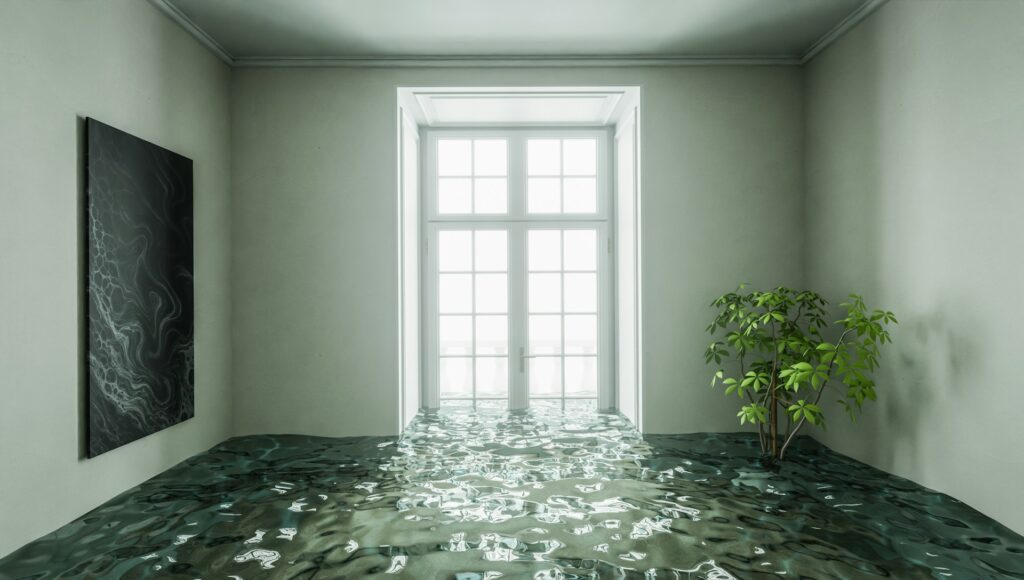
When Every Minute Counts After Water Damage
Water damage does not stay in one place. Once water gets into a home or business, it seeps under flooring, wicks up drywall, and soaks into furniture and personal belongings. In the first hours after a leak, burst pipe, appliance failure, or storm event, what looks like a small puddle can spread into multiple rooms and hidden cavities that you cannot see on the surface.
If water damage in Lincolnshire or the surrounding Chicago suburbs is not handled quickly, it can lead to serious issues. Damp materials can weaken, finishes can peel, and porous surfaces can trap moisture. Given enough time, that lingering moisture can support mold growth and create musty odors, discoloration, and potential health concerns for people with allergies or respiratory issues.
At GreenStar HomePro, we work with homeowners and business owners across Chicago and nearby suburbs to respond to water emergencies and restore properties. In this step-by-step guide, we are walking through what actually happens during professional water damage restoration, from the first discovery of water to the final repairs. By understanding the process, you can make faster, more confident decisions when every minute counts.
You will learn what to do immediately after you see water, how a professional team approaches inspection and planning, what equipment is involved in drying, and how cleaning, mold prevention, and repairs come together to bring your space back to normal.
First Steps to Take When You Discover Water Damage
The first moments after you notice water indoors can feel overwhelming, but a clear plan helps protect people and property. Before anything else, focus on safety.
In many situations, it is important to:
- Keep people and pets away from standing water, especially if you are unsure about electrical hazards
- Turn off electricity to the affected area if you can safely reach the panel without walking through water
- Avoid rooms with sagging ceilings or bulging walls, since these can indicate trapped water and a risk of collapse
- Wear shoes with good traction if you must move through wet areas
Once everyone is safe, the next priority is to stop or control the source of water. That might include:
- Shutting off the main water supply if a pipe has burst or a fixture is leaking
- Closing individual supply valves to toilets, sinks, or appliances when possible
- Containing minor leaks with towels or buckets only if it is clearly safe to do so
- Moving dry valuables or electronics out of the affected area
We recommend documenting what you see early on. Take clear photos and short videos of:
- The source of the water, if visible
- Wet floors, walls, and ceilings
- Damaged furniture, rugs, and personal belongings
- Any visible staining, bubbling paint, or warped materials
Quick documentation can help during conversations with your insurance provider. When you contact your insurance company, they will typically ask when the damage started, what you believe caused it, which rooms are affected, and whether temporary repairs have been made to stop active leaking.
Calling a professional water damage restoration company quickly is just as important. The first 24 to 48 hours are a key window for reducing long-term damage. The sooner a trained team like ours at GreenStar HomePro arrives, the better the chances of fully drying your property and limiting secondary issues such as mold growth or structural problems.
Professional Inspection, Assessment, and Planning
Once we arrive at a property with water damage in Lincolnshire or any nearby suburb, our first step is a thorough assessment. This is more than a quick look around. We need to understand where the water went, what materials are affected, and how severe the situation is.
Part of that assessment involves identifying the general category of water:
- Clean water, for example from a broken supply line or sink overflow
- Gray water, which may have some contaminants, such as washing machine discharge
- Black water, which can contain harmful contaminants, often from sewage backups or flooding
We also look at how extensively the water has spread and how deeply it has soaked into building materials. To do that, we use a mix of:
- Moisture meters pressed against surfaces or inserted into materials
- Infrared cameras to spot cooler, damp areas behind walls and ceilings
- Detailed visual inspection of baseboards, flooring, cabinetry, and trim
With that information, we create a restoration plan tailored to your property. A clear plan usually covers:
- Which rooms and materials are most affected and need immediate attention
- What areas should be isolated with plastic sheeting or barriers to keep dry areas protected
- Which materials appear salvageable and which are likely to need removal
- Approximate timelines for extraction, drying, cleaning, and repairs
We take time to walk you through what we found, what we recommend, and what the next steps will look like. That way, you understand the expected process, the likely costs, and the kind of results we are working toward before the heavy work begins.
Water Extraction, Drying, and Dehumidification
Removing as much liquid water as possible, as fast as possible, is the backbone of water damage restoration. Shop vacuums and household fans typically are not enough for larger water losses, especially when water has penetrated into subfloors or wall cavities.
Professional extraction usually includes:
- Truck-mounted or portable pumps to remove large volumes of standing water
- High-powered wet vacuums to pull water from carpets, pads, and hard surfaces
- Special tools to squeeze out water from carpet without immediately removing it
Once free water is extracted, the focus shifts to drying the structure. This stage often involves:
- Air movers, which push dry air across wet surfaces and speed evaporation
- Industrial dehumidifiers, which pull moisture out of the air and lower humidity
- Targeted airflow into cavities, such as under cabinets or behind baseboards
To fully dry hidden areas, we may recommend steps such as:
- Carefully removing baseboards and drilling small holes to vent wall cavities
- Lifting sections of carpet to dry the pad and subfloor underneath
- Opening sections of drywall that are heavily saturated or that trapped contaminated water
Drying is a controlled process, not guesswork. We return regularly to:
- Measure moisture in walls, floors, and framing
- Adjust the placement and number of air movers and dehumidifiers
- Track humidity levels and temperature in the affected areas
This ongoing monitoring is essential. It confirms that materials are drying correctly and helps prevent lingering damp spots that could lead to mold or long-term structural issues from unresolved water damage in Lincolnshire.
Cleaning, Mold Prevention, and Full Restoration
Once materials are dry or nearly dry, cleaning and sanitizing become the next focus. Water can leave behind dirt, residues, and contaminants, even if the original source was relatively clean. Our cleaning process can include:
- Wiping and disinfecting hard surfaces like tile, concrete, and sealed wood
- Cleaning and deodorizing salvageable furniture, rugs, and contents when appropriate
- Vacuuming with specialized equipment to capture fine particles from floors and upholstery
Some items simply cannot be safely restored, especially after contact with sewage or long-term moisture. In those cases, we explain what we recommend discarding, such as certain porous furniture, insulation, or damaged electronics, and why those decisions support a healthier environment.
Mold prevention is closely tied to thorough drying, but there are additional steps when mold growth is suspected or visible. Those may include:
- Setting up containment barriers to keep spores from spreading to clean areas
- Running air filtration devices with HEPA filters to capture airborne particles
- Cleaning or removing affected materials following industry-accepted practices
After cleaning and mold prevention steps are complete, the last phase is putting everything back together. Depending on the extent of damage, this might involve:
- Replacing sections of drywall and insulation
- Installing new flooring or repairing damaged subfloors
- Patching, sanding, and repainting walls and ceilings
- Reinstalling baseboards, trim, or cabinetry as needed
Before the project is considered finished, we perform a final walkthrough with you. During this walkthrough, we review what work was completed, point out any areas of repair, and discuss documentation that may be useful for your insurance claim, such as photos taken during each stage of the process. We can also share general tips to help reduce the chances of similar water issues in the future.
Protecting Your Lincolnshire Property for the Future
Once you have been through a water damage incident, prevention becomes a priority. Even small leaks or past spills can leave hidden moisture, so it is wise to have any suspicious areas checked by a professional if something does not seem right, such as recurring musty odors or staining on walls or ceilings.
Simple, consistent maintenance steps can significantly lower the risk of future problems:
- Inspect visible plumbing lines and shut-off valves regularly for corrosion or drips
- Test your sump pump and backup systems to confirm they are working
- Clean gutters and downspouts so water flows away from your foundation
- Watch for signs of excess humidity in basements or crawlspaces, such as condensation on windows or pipes
- Address minor roof or window leaks quickly, before they turn into major water intrusions
Partnering with a local company that understands water damage in Lincolnshire and the wider Chicago area can make a stressful situation more manageable. A team that knows local building styles, common problem areas, and regional weather patterns is well positioned to respond effectively when water intrudes.
By understanding each phase of professional water damage restoration, from emergency steps to final repairs, you are better prepared to protect your property and your peace of mind when the unexpected happens.
Protect Your Home From Costly Water Damage Today
If you are dealing with water damage in Lincolnshire, we are ready to help you stop the problem before it gets worse. At GreenStar HomePro, our team quickly assesses the damage, explains your options, and gets to work restoring your property. Reach out today so we can help you protect your home and belongings. To schedule service or ask questions, simply contact us.