
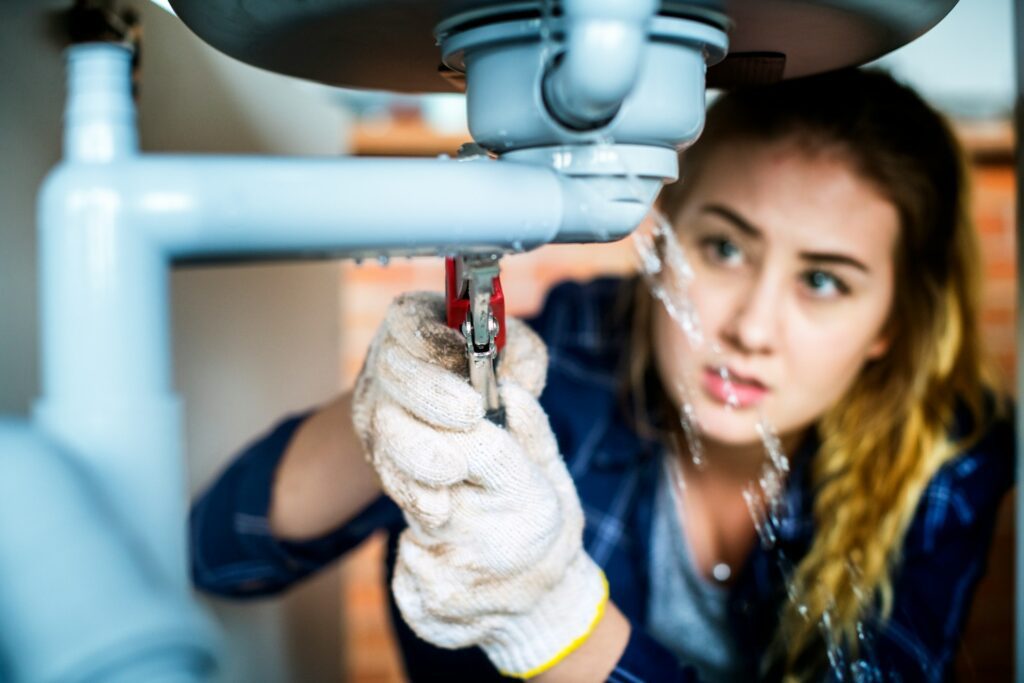
Hidden plumbing leaks are one of the easiest ways for mold to gain a foothold in a home without anyone noticing until the damage is widespread. A tiny pinhole in a copper pipe, a slow drip under a sink, or a loose appliance line can quietly soak building materials for weeks or months. By the time stains or odors show up, drywall, insulation, and framing can already be saturated.
In Northbrook, we see this in older homes with aging pipes as well as newer construction with modern plumbing. Anywhere water is running through enclosed spaces, there is potential for a leak that stays out of sight. Once moisture gets into hidden cavities, it is very hard for it to dry on its own. Those dark, enclosed areas behind walls, under cabinets, or in basements and crawlspaces create ideal conditions for mold to grow.
When mold takes off in these areas, homeowners may notice vague signs long before they see actual growth: a musty smell that lingers, allergy-like symptoms that ease when they leave the house, or paint that keeps peeling no matter how many times it is repainted. Over time, unseen mold can damage drywall, wood framing, flooring, and even contents. At GreenStar HomePro, we work with Northbrook homeowners and businesses to address water damage quickly and remediate mold before it threatens health and property value.
How Plumbing Leaks Turn Into Full-Blown Mold Problems
Mold problems rarely start as something dramatic. Often, the sequence looks like this.
- Water leaks into a hidden area from a pipe, fixture, or appliance.
- Porous materials like drywall, wood, and carpet padding absorb the moisture.
- Those materials stay damp long enough for mold spores to settle and start colonizing.
- Mold spreads across surfaces and into nearby cavities, feeding on building materials.
Common sources of plumbing leaks in Northbrook homes, condos, and townhomes include:
- Failed pipe joints or loose connections behind walls and ceilings
- Corroded copper piping that develops pinhole leaks over time
- Leaking refrigerator, dishwasher, or ice maker supply lines
- Slow drips at sink traps, garbage disposals, and supply valves
- Overflows from tubs, showers, and toilets that are not dried out fully
Local weather patterns play a role too. Seasonal temperature swings and humidity changes can increase condensation on cold pipes, especially in basements, utility rooms, and inside wall cavities. Small amounts of condensation or micro-leaks may not cause an obvious puddle, but they can still keep nearby materials damp. In areas that already have limited airflow, that extra moisture makes it easier for mold to grow and harder for surfaces to dry.
When leaks are not addressed quickly, what starts as a minor moisture issue can turn into a full-blown mold problem that affects multiple rooms or levels of the house. That is why we stress early detection and fast response when water is involved.
Warning Signs Your Leak and Mold Problem Are Connected
One of the biggest challenges with plumbing-related mold is that the most important clues are subtle. Homeowners in Northbrook often suspect something is off long before they can see mold. Signs to watch for include:
- Persistent musty or earthy odors in certain rooms, closets, or levels of the home
- Bubbling, cracking, or peeling paint on walls or ceilings
- Warped or swollen baseboards, trim, or door frames
- Discolored patches or yellow-brown stains on ceilings and walls
- “Water stains” that seem to return even after repainting
There are also health red flags that can point toward hidden moisture and mold, especially when symptoms improve outside the home:
- Increased sneezing, coughing, or congestion indoors
- Itchy or watery eyes in certain rooms, such as the basement or a bathroom
- Headaches or fatigue that seem worse when spending time in specific areas
Visible mold can appear as black, green, white, or gray patches on walls, ceilings, or around fixtures. But in many cases, the heaviest growth is tucked away behind those surfaces. That is where professional tools become important.
Specialized equipment such as moisture meters and infrared cameras helps us:
- Detect moisture inside walls and ceilings without opening them up right away
- Map out how far water has traveled from a leak source
- Identify colder, damp areas that are more likely to support mold growth
If there are recurring signs of moisture or mold, or if anyone in the home has ongoing symptoms that seem to be related to certain rooms, it is usually time to move beyond DIY solutions and bring in a professional team.
Why Fast Professional Help Matters for Leaks and Mold
Speed matters any time water escapes into building materials. The longer surfaces stay wet, the greater the chance that mold will colonize and spread. Prompt water damage restoration aims to:
- Stop the source of the leak and prevent additional water intrusion
- Extract standing water from floors, carpets, and cavities
- Dry the structure with the right combination of air movement and dehumidification
- Remove and dispose of materials that cannot be saved safely
At GreenStar HomePro, when we respond to plumbing leak damage in Northbrook homes, we focus on a clear, step-by-step process so nothing is missed. That process typically includes:
- Detailed inspection to locate the leak and assess moisture spread
- Containment of affected areas to help limit cross-contamination
- Structural drying and dehumidification to pull moisture out of building materials
- Mold remediation when growth is present, including safe removal of affected materials
- Thorough cleaning of carpets, area rugs, and hard floors in the impacted spaces
DIY cleanup often focuses on what can be seen at the surface. Without proper tools, it is easy to miss moisture trapped under flooring, behind cabinets, inside wall cavities, or in insulation. That trapped moisture can quietly support new mold growth long after visible water is gone. Over time, this leads to recurring mold problems, odors that will not go away, and potential structural damage to subfloors and framing.
Mold Inspection and Prevention Beyond Northbrook
Hidden leaks and mold issues are not limited to one community. Homeowners who are concerned about mold inspection in Highland Park are dealing with many of the same plumbing and moisture risks as their neighbors in Northbrook. Older homes with character, newer builds with complex plumbing, and everything in between can all have hidden moisture issues.
A professional mold inspection in Highland Park or Northbrook usually includes:
- A thorough visual assessment of interior rooms, basements, and attic spaces
- Moisture mapping of walls, ceilings, and floors with specialized meters
- Identification of likely leak sources or past water damage
- Air or surface sampling when appropriate to help understand the spread of mold
- A clear plan for remediation and drying if mold or moisture problems are found
While professional inspection and remediation are important, prevention is just as valuable. Some practical steps homeowners can take include:
- Checking under sinks, around toilets, and behind appliances for signs of moisture
- Monitoring water bills and usage for unexplained spikes that might indicate a leak
- Using exhaust fans in bathrooms, kitchens, and laundry rooms while cooking or showering
- Keeping indoor humidity in a comfortable range with dehumidifiers where needed
- Scheduling proactive inspections before buying a home or starting a major remodel
These habits help catch problems early and reduce the chance that a slow leak will evolve into a widespread mold issue.
Take Control of Hidden Leaks and Mold Before They Spread
Musty odors, small water spots, and recurring allergy-like symptoms are not just minor annoyances or cosmetic concerns. They are often early warning signs that moisture and mold could be lurking where you cannot see them. When plumbing is involved, what starts as a small drip can escalate into significant damage if it is not addressed quickly and correctly.
If you find an active leak, the safest first steps are to shut off the water supply to that fixture or area, limit activity in the affected space, and avoid disturbing any visible mold. For Northbrook homeowners facing water damage or mold, and for neighboring communities interested in preventive services like mold inspection in Highland Park, partnering with a professional restoration and remediation company helps protect indoor air quality, preserve property value, and restore peace of mind.
Protect Your Home And Health With Expert Mold Help Today
If you suspect a moisture problem or see signs of mold, now is the time to act. At GreenStar HomePro, we provide thorough mold inspection in Highland Park to identify the source and scope of the issue before it spreads. Our trained team will walk you through clear next steps so you can feel confident about the safety of your home. To schedule service or ask questions, please contact us.