
Storm Season in Barrington Calls for Faster Action
Storm season in Barrington can turn a quiet afternoon into a soaked basement in a matter of minutes. Heavy rain, strong winds, and long-lasting storms push local sump pumps, gutters, and drainage systems to their limits. When that happens, water often finds its way into foundations, lower levels, and hidden spaces, even if the roof issue or gutter problem seems minor on the surface.
In our area, the combination of rain, humidity, and homes with basements means wet building materials stay damp longer than many people expect. That dampness is what mold needs. The key idea for Barrington homeowners is simple: the gap between fresh water damage and active mold growth is shorter than most people think, and acting quickly often makes the difference between a simple dry-out and a full mold remediation project.
The Mold Clock Starts Ticking Immediately
From the moment stormwater enters your home, the conditions for mold growth start to line up. In the first 24 to 72 hours, several things typically happen indoors:
- Humidity rises sharply, especially in enclosed spaces like basements and crawl spaces.
- Porous materials such as drywall, carpet, padding, and wood start soaking up water like a sponge.
- Moisture begins to migrate inside wall cavities, under flooring, and into insulation where air does not circulate.
Mold spores are already present in the air inside almost every home. By themselves, they are not usually a problem. What they need is:
- Moisture or high humidity
- Organic material, such as paper facing on drywall, wood, or dust
- Time, often only a short period, in the right conditions
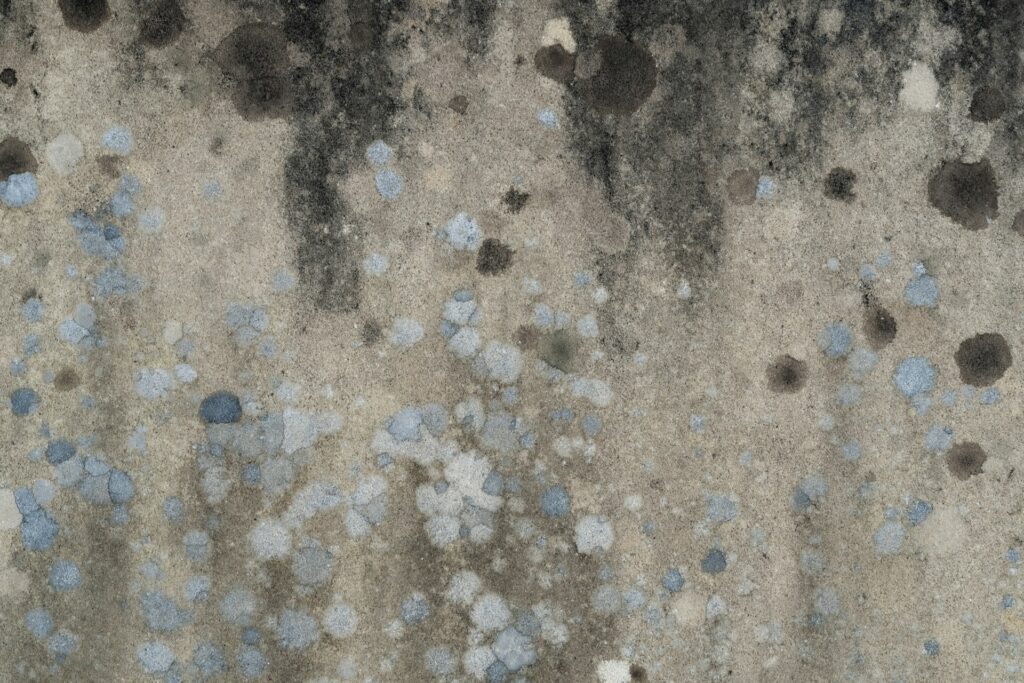
If those three ingredients come together after a storm, early mold activity can begin within 24 to 48 hours. You might not see anything right away, but the process can already be underway behind baseboards or inside walls. Visible mold patches often appear within a few days when water damage is not properly dried, which is why delays and incomplete drying are so risky.
Hidden Water Damage Hotspots in Barrington Homes
Certain parts of a typical Barrington home tend to get hit hardest during storm season. We see similar patterns again and again after heavy rain or strong storms:
- Basements and finished lower levels, especially around perimeter walls
- Crawl spaces with limited ventilation
- Areas around windows and sliding doors
- Roof leak spots that show up around ceilings, light fixtures, or inside closets
- Attached garages where water runs in and pools along walls
These areas often stay damp longer for a few reasons. Air does not move well behind stored boxes or furniture, and insulation can trap moisture against framing and sheathing. Carpeting and padding can hold water deep below the surface, so they feel only slightly damp while the bottom remains saturated. Shelves, storage racks, and large items can block airflow and keep pockets of moisture from ever drying on their own.
Nearby communities face similar challenges. For example, the water damage in Lincolnshire often shows up in the same types of spaces: basements with sump pumps, finished lower levels with carpet, and homes with complex roofing where small leaks linger unnoticed. The building styles and weather patterns are alike across many Chicago suburbs, which is why these hotspots are so consistent from home to home.
Early Warning Signs That Water Damage Is Turning Into Mold
Many homeowners assume they will clearly see mold before it becomes a real problem. In reality, the early warning signs are often much more subtle. Watch for:
- A musty or earthy odor that lingers, especially in lower levels
- Worsening allergies or respiratory irritation when spending time in one part of the home
- Condensation on windows or cool surfaces after a storm, even when it is not particularly cold outside
- Slight discoloration, bubbling paint, or swelling on walls, ceilings, or baseboards
Once mold is visible on drywall, carpet backing, wood trim, or stored items, there is usually more growth hidden behind the surface. Drywall may be affected on the interior side, framing can begin to show spotting, and padding or underlayment can be contaminated even if the top of the carpet looks fine.
Ignoring these signs can affect more than comfort. Mold and ongoing moisture can:
- Irritate asthma and allergies or cause breathing discomfort for some people
- Weaken drywall and damage wood framing over time
- Warp flooring, stain surfaces, and damage personal belongings
- Lower the perceived value of a property when it is time to sell
Recognizing these early shifts from simple water damage to mold risk gives you a better chance to stop the problem before it spreads.
Professional Drying Versus DIY Efforts
After a storm, it is natural to reach for shop vacs, mops, and household fans. These DIY efforts can help with standing water and surface-level dampness, but they rarely address moisture hidden inside walls, under floors, or in insulation. Opening windows can even add humidity, depending on outdoor conditions.
Professional structural drying focuses on getting building materials back to safe moisture levels, not just what feels dry to the touch. A trained team typically relies on:
- Moisture meters and thermal tools to find hidden wet areas
- High-capacity dehumidifiers that actually pull moisture out of the air and materials
- Air movers that create controlled airflow across surfaces for faster drying
- Containment methods that help control humidity and protect unaffected areas
Speed and thoroughness go together when it comes to mold prevention. The longer materials sit wet or “almost dry,” the more likely it is that mold will take hold. Whether we are dealing with a flooded basement in Barrington or water damage in Lincolnshire, a professional assessment helps reveal moisture pockets you might never see by eye and reduces the chance of recurring mold problems later.
When to Call GreenStar HomePro After a Storm
Not every puddle requires professional help, but it is important to know where that line is. As a general guide, a homeowner may be able to handle minor incidents such as:
- A small amount of clean water on hard floors that can be fully dried within a few hours
- Light dampness from a briefly open window, when walls and flooring dry quickly and completely
You should consider calling certified water damage and mold remediation professionals promptly when:
- Water covers a large area, especially on carpet or porous flooring
- A finished basement, crawl space, or wall cavity has been affected
- The water source involves sump pump failure, foundation seepage, or roof leaks
- You notice musty odors or any signs of mold growth, even if they seem small
On a first visit after storm damage, our team at GreenStar HomePro focuses on understanding the full scope of the problem. That usually includes inspecting the affected areas, taking moisture readings, mapping out wet building materials, and creating a drying plan tailored to the structure. We also explain steps to reduce mold risk, such as controlling humidity, protecting contents, and deciding what materials can be dried versus what should be removed.
Because we work throughout Barrington, Lincolnshire, and the greater Chicago area, we are familiar with local home styles, common storm patterns, and the typical trouble spots that tend to show up after heavy rain. When response is prompt and drying is done correctly, many situations never progress to major mold remediation, which saves time, expense, and stress for the homeowner.
Protecting Your Home Before the Next Big Storm
The best way to manage storm-related water damage and mold risk is to prepare before the weather hits. A few practical steps can significantly lower your chances of serious problems:
- Keep gutters and downspouts clear so water is directed away from the foundation.
- Test sump pumps regularly and consider having a backup system in case of power loss.
- Seal visible foundation cracks and monitor for any recurring seepage.
- Inspect roofing, flashing, and attic spaces for signs of leaks or past moisture.
It also helps to create a simple storm response checklist for your household. That list might include how to safely shut off power in affected areas, how to document any damage for insurance, and which items to move off basement floors when heavy rain is forecast. Knowing who you plan to call for emergency water damage help removes one more decision during a stressful moment.
Whether you are focused on preventing storm flooding in Barrington or you are concerned about potential water damage in Lincolnshire, planning ahead and partnering with a trusted restoration company can greatly reduce mold risk and long-term repair costs. Quick action when water first appears, combined with smart preparation between storms, is the most reliable way to keep your home safer, drier, and more comfortable all year.
Protect Your Home From Costly Water Damage Today
If you are dealing with water damage in Lincolnshire, our team at GreenStar HomePro is ready to respond quickly and restore your property. We assess the damage, remove moisture, and help prevent long-term issues like mold and structural problems. Reach out now and let us put our experience to work in safeguarding your home. To schedule service or ask questions, simply contact us.