
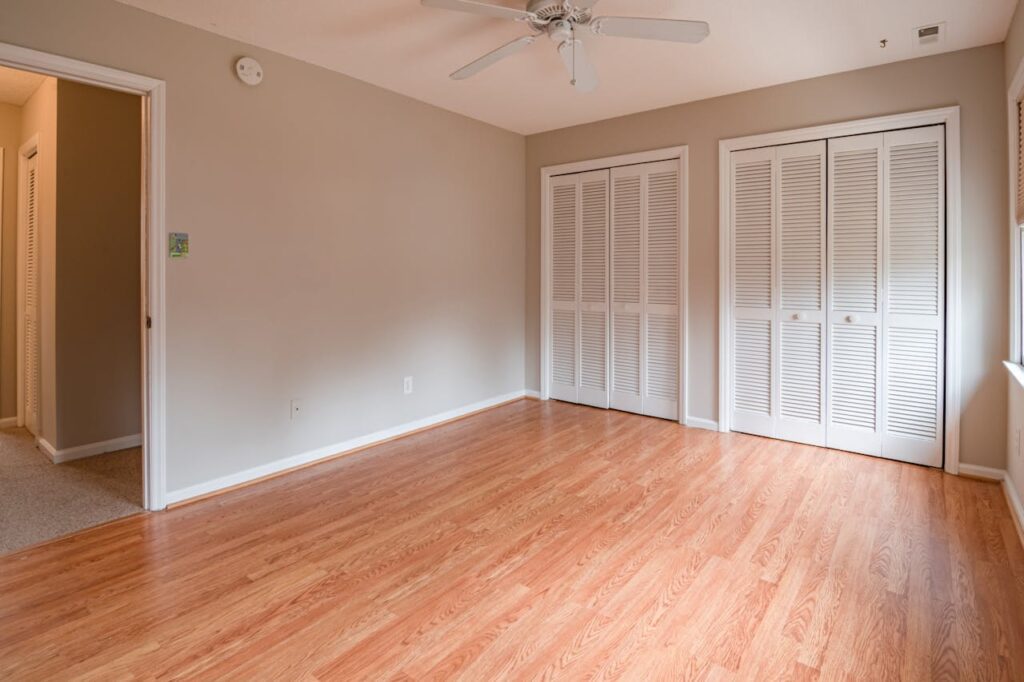
When “Clean” Air Is Not Really Clean
Many Libertyville homeowners feel confident about their indoor air as long as the house looks tidy and there is no musty smell. The problem is that mold does not always make itself obvious. Mold spores are microscopic, so they can float in the air and settle on surfaces without leaving visible patches or strong odors. A room can look spotless and still have spore levels that bother your breathing and your sinuses.
Mold spores are tiny reproductive particles released by mold colonies. They are so small that a normal visual inspection can miss the problem entirely. At GreenStar HomePro, we have walked into homes and businesses that appear perfectly maintained, yet testing shows a serious mold issue. In this article, we will explain where mold hides, how long-term exposure can affect health, and when it makes sense to bring in professionals for mold removal in Libertyville.
How Mold Spores Stay Invisible for Years
Mold spreads through spores that break away from active colonies and move into the surrounding air. These spores drift easily, landing on surfaces and waiting for the right mix of moisture and organic material so they can grow again. Because they are so small, you will not see them floating, and you usually will not see them collecting until colonies grow large enough.
Everyday air movement inside a home helps spores travel. Some common spreaders include:
- HVAC systems that pull spores into return vents and push them through ductwork
- Ceiling fans and portable fans that circulate spores between rooms
- Foot traffic that stirs spores from carpets and rugs back into the air
- Upholstered furniture and curtains that catch and release settled spores
In Libertyville, silent moisture sources keep this cycle going. A slow drip under a sink may not create a puddle on the floor, but the cabinet wall can stay damp. Condensation on windows can soak into trim and drywall. Basements that feel just a little too humid can support mold on joists, stored belongings, or carpet padding. Roof seepage that never fully dries can feed mold inside attic insulation or behind finished ceilings.
There are a few stubborn myths we run into often:
- If the air smells fine, there is no mold problem
- If past water damage looks dry now, the mold is gone
- A quick DIY wipe with bleach takes care of everything
In reality, air can look and smell normal while spore counts remain high, especially in homes that have had previous leaks, flooding, or incomplete cleanups. Spores lingering in dust, ductwork, or building materials can quietly keep spreading.
Common Hidden Mold Zones in Libertyville Houses
Mold rarely chooses the middle of the living room wall first. It prefers darker, less disturbed spaces where moisture lingers a bit longer. Some of the most common hidden zones we see in Libertyville homes include:
- Basements and crawl spaces, where ground moisture and limited airflow keep surfaces damp
- Attics, particularly around roof penetrations, vents, and poorly insulated areas
- Wall cavities behind finished walls that had past plumbing leaks or seepage
Kitchens and bathrooms are trouble spots too, even when countertops and tiles look clean. Problem areas often include:
- Under sinks, where minor drips soak wood or particle board
- Behind dishwashers, where slow leaks go unnoticed
- Around tubs and showers, where grout gaps and failing caulk allow moisture into the wall
- Inside or around exhaust fans that are weak, blocked, or venting poorly
Some Chicago-area homes and Libertyville homes also have construction features that make hidden mold more likely. Older insulation can absorb and hold moisture. Poorly sealed foundations allow moisture to seep into lower-level walls. Tight, energy-efficient construction sometimes traps humidity inside, especially if mechanical ventilation is limited or underused.
These areas can look fine at a quick glance. That is why professional mold removal in Libertyville typically starts with a detailed inspection, moisture readings, and sometimes mapping to find where water is getting in and where it is staying trapped.
Health Signs Your “Clean” Air May Be Contaminated
Because spores are invisible, your body may be the first thing that tells you something is wrong. People often notice subtle and recurring symptoms that seem to have no clear cause, such as:
- Persistent coughs or throat irritation that do not fully clear
- Frequent sinus infections, congestion, or runny nose at home
- Headaches, brain fog, or unusual fatigue indoors
- Itchy, watery, or burning eyes that feel better outside
- Worsening asthma or allergy symptoms when spending time in certain rooms
One key clue is when symptoms improve after you leave the house or workplace, then return after you have been back indoors for a while. This pattern can suggest that something in the indoor environment, such as mold spores, is acting as a trigger.
Certain groups tend to feel the effects sooner and more strongly, including:
- Children, whose bodies are still developing
- Older adults
- Anyone with asthma, seasonal allergies, or chronic respiratory issues
- People with weakened or compromised immune systems
These signs alone do not prove that you have a mold problem, but they are strong reasons to get a professional mold assessment and consider mold removal in Libertyville if your home tests positive.
Professional Testing, Safe Mold Removal, and Prevention
A professional mold inspection is more than a quick look at a few walls. At GreenStar HomePro, we start with a careful visual assessment, asking about any history of water damage, musty odors, or health complaints. We then check for moisture with appropriate tools to identify damp materials and potential leak points. In some situations, air or surface sampling may be recommended, to confirm what is present and how widespread it is.
If mold remediation is needed, safe removal becomes the priority. That usually includes:
- Setting up containment barriers so spores cannot easily spread to clean areas
- Using HEPA air filtration to capture airborne spores during work
- Removing or cleaning affected materials according to industry standards
- Performing detailed cleanup of dust and debris when work is complete
DIY efforts like scraping mold, spraying random products, or painting over stained spots can actually make things worse. Scraping or aggressive cleaning can send spores billowing into nearby rooms. Bleach or paint can hide the stain while leaving living material in porous surfaces like drywall, wood, or carpet backing.
Real mold removal always includes dealing with the moisture source that allowed it to grow. That might mean fixing a leak, improving ventilation, adjusting drainage around the home, or using dehumidifiers in chronically damp spaces. Without moisture control, even a thorough cleanup can be followed by mold returning to the same area.
To keep mold from coming back, it helps to combine professional work with simple everyday habits. Some effective moisture control steps are:
- Using a dehumidifier in basements or other damp rooms
- Keeping gutters and downspouts clean and directing water away from the foundation
- Fixing plumbing leaks as soon as you notice drips or staining
- Checking that bathroom and kitchen exhaust fans are working and venting properly
Healthy indoor air habits matter too:
- Running exhaust fans while cooking, showering, and for several minutes afterward
- Opening windows when the weather allows, to let stale air out and fresh air in
- Changing HVAC filters regularly and having the system serviced as needed
It also helps to build in quick self-check routines a few times a year:
- Look around basement walls, floors, and stored boxes for dampness or staining
- Check around windows for condensation, peeling paint, or soft wood
- Open cabinets under sinks to check for discoloration, bubbling materials, or musty smells
There comes a point where it makes more sense to stop guessing. If you have had past water damage, repeated allergy symptoms indoors, or smells you cannot track down, a full inspection and professional mold removal in Libertyville can give you clearer answers and a path forward.
Take Back Your Air Quality and Peace of Mind
Hidden mold problems are far more common than most people think, especially in homes with basements, older building materials, or a history of leaks. The good news is that with the right combination of careful testing, targeted remediation, and moisture control, those problems can be solved. The air can look clean while mold spores move quietly through your home, but that does not have to be permanent.
If you live or work in Libertyville and recognize the signs we have described, it may be time to take a closer look at what is in your air. At GreenStar HomePro, we help homeowners and businesses uncover hidden mold, remove it safely, and put practical steps in place to reduce the chance of it returning. With the right plan, you can breathe easier and feel more confident about the spaces where you spend your time.
Get Started With Your Project Today
If you are ready to protect your property and your health, let our experts handle your mold removal in Libertyville. At GreenStar HomePro, we inspect thoroughly, explain your options clearly, and complete the work with minimal disruption to your home or real estate transaction. Reach out with your questions or to schedule service through our contact us page.