
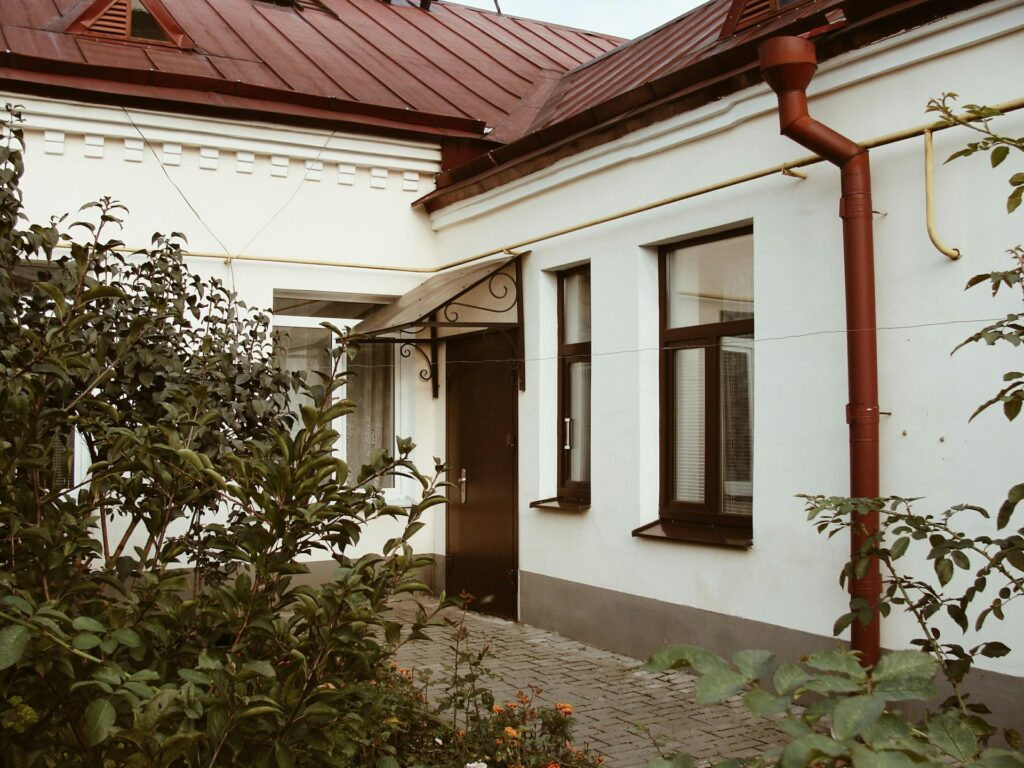
Hidden Moisture Risks in Charming Older Wilmette Homes
Older Wilmette homes have a lot going for them, from original woodwork and classic brick to tree-lined streets and walkable neighborhoods. At the same time, many owners start to notice musty odors, paint that never seems to stay put, or allergies that flare up whenever they spend time indoors; those small annoyances are often early clues that moisture and mold may be hiding behind the charm.
As a Chicago-area company that works on water damage restoration, mold remediation, and carpet cleaning, we see how age, construction methods, and local climate all combine to make older Wilmette houses more vulnerable to mold than newer builds. In this article, we will walk through why that happens, where trouble spots usually hide, what warning signs matter most, and when it is smart to bring in professionals, including options like mold inspection in Northbrook and other nearby suburbs.
How Older Construction Methods Invite Moisture and Mold
Wilmette’s older properties were built with materials and techniques that respond very differently to moisture than modern assemblies. Many walls are plaster over lath, with layers that can absorb water and hold it quietly for a long time. Original wood framing, tongue-and-groove subfloors, and outdated insulation can trap damp air, making perfect pockets for mold to grow where you cannot see it.
In many of these homes, moisture is not just coming from inside. Foundations and below-grade walls may still rely on old waterproofing methods that have broken down over the decades. Hairline cracks, crumbling mortar, and dried-out sealants allow water to seep through during rains or when the ground is saturated. That slow seepage often shows up as:
- Damp or chalky foundation walls
- Efflorescence, the white, powdery substance on masonry
- Paint that bubbles or flakes off concrete or block
Plumbing is another big factor in older homes. Pipes may be corroded, valves and connections can loosen, and old supply lines or drain lines may leak just enough to keep framing or subflooring damp. Unlike a burst pipe, these issues may never cause dramatic flooding. Instead, they create:
- Hidden moisture behind walls and ceilings
- Persistent dampness under sinks or behind toilets
- Long-term mold growth in areas that look fine at a quick glance
Wilmette’s Climate and Location Make Mold Growth Easier
The local weather does not do older Wilmette homes any favors. Humidity from Lake Michigan, along with heavy spring rains and periods of snowmelt, keeps moisture levels in and around buildings higher than many homeowners realize. When the temperature swings quickly, warm indoor air can condense on cold surfaces, especially in attics, basements, and wall cavities.
Many vintage homes were built before modern ventilation practices. Over time, chimneys may have been sealed, older bathroom fans might be undersized or vented poorly, and soffit or ridge vents in the roof can be blocked by insulation or debris. Without good air movement, moisture from daily activities like showering, cooking, and laundry lingers.
This combination of climate and construction affects the whole North Shore. Communities that share similar housing styles and weather patterns face many of the same mold challenges. That is why regional services, including mold inspection in Northbrook and other nearby suburbs, have become an important part of catching problems early, before minor dampness turns into extensive remediation work.
Common Mold Hotspots in Vintage Wilmette Properties
Certain areas in older homes almost always deserve a closer look. Basements and crawl spaces are at the top of that list. Poor grading can send rainwater toward foundation walls instead of away from them, and older sump pumps or drain systems may not keep up during storms. Unsealed or porous concrete lets moisture wick inside, creating that familiar musty basement smell.
Attics are another frequent hotspot. Aging shingles, worn flashing around chimneys and skylights, and previous roof repairs can leave pathways for slow leaks. In winter, ice dams may form along roof edges, letting melted snow work its way under shingles. If there is not enough insulation, warm indoor air rises into the attic, meets cold roof sheathing, and condenses, adding even more moisture.
Kitchens, bathrooms, and laundry areas often have long histories of small leaks and high humidity. Over time, you might find:
- Cracked or missing grout around tubs, showers, and backsplashes
- Soft or discolored flooring near sinks, dishwashers, or washing machines
- Outdated or noisy exhaust fans that move very little air
- Dryers venting into confined spaces instead of outdoors
Each of these issues creates conditions where mold can thrive behind cabinets, under floors, or inside wall cavities, well out of sight.
Warning Signs Homeowners Should Never Ignore
Mold is not always obvious, but many homes show at least a few clues if you know what to watch for. Visible indicators often appear first around moisture-prone areas. You might notice:
- Discolored spots or streaks on walls and ceilings
- Peeling, bubbling, or cracking paint that keeps returning
- Warped baseboards or trim near floors and windows
- Staining around vents, window frames, or along ceiling lines
Your senses and health can tell you quite a bit too. A persistent musty odor, especially one that is strongest in certain rooms or lower levels, almost always points to moisture where it does not belong. Some people experience:
- Worsened allergies or asthma while at home
- Eye, nose, or throat irritation that eases when they leave the house
- Headaches or a heavy, stuffy feeling in specific rooms
Older homes also have subtle red flags that are easy to brush off. Recurring water stains that keep bleeding through fresh paint, a basement that feels damp even when the weather is mild, or windows that frequently collect condensation in moderate temperatures are all signs that moisture and indoor air conditions need attention.
When to Call Professionals and How Inspections Help
DIY fixes can help with small, surface-level issues, but older structures are complicated. Scrubbing visible spots without understanding the moisture source can release more spores into the air, contaminate other areas, or drive mold deeper into porous materials. Pulling up flooring or cutting into walls without a plan can expose hidden growth and spread it throughout the home.
A professional assessment from a company like ours usually starts with tracking where moisture is entering and where it is getting trapped. That might involve:
- Moisture readings in walls, ceilings, and flooring
- Checking basements, crawl spaces, and attics for hidden leaks
- Looking for past water damage events that were never fully addressed
- Evaluating ventilation, exhaust fans, and humidity levels
Local knowledge makes a real difference. Homes in Wilmette, Northbrook, and other North Shore communities often share similar construction details and recurring issues, from foundation types to common roofing layouts. Working with professionals who understand these patterns, and who can coordinate with specialized services such as mold inspection in Northbrook when needed, helps ensure that inspections are thorough and solutions are tailored to the way these homes are actually built.
Protecting the Character of Your Older Home Without Mold
Owning a classic Wilmette home does not have to mean living with dampness or mold. With a proactive approach, you can keep the original character while protecting the structure and the people living inside. Useful habits include:
- Keeping gutters and downspouts clear and directing water away from the foundation
- Fixing roof issues and plumbing leaks as soon as they appear
- Improving ventilation in bathrooms, kitchens, and laundry rooms
- Running dehumidifiers in basements or other damp areas
- Having periodic professional checks after major storms or past water incidents
When moisture is controlled and small issues are handled quickly, older homes can stay comfortable, healthy, and beautiful for many years. Our team at GreenStar HomePro works with homeowners across Wilmette, Northbrook, and the greater Chicago area to address water damage, remediate mold, and clean carpets that may have absorbed moisture or odors.
By understanding how these homes were built and how local conditions affect them, we can help preserve the charm that drew you to your property in the first place, without the hidden mold risks that sometimes come along with it.
Protect Your Home And Health With Professional Mold Help
If you have noticed musty odors, recent water damage, or visible spots on walls or ceilings, now is the time to schedule a thorough mold inspection in Northbrook. At GreenStar HomePro, we carefully assess your property so you know exactly what is happening behind walls, under floors, and in hidden areas. Our team will walk you through clear next steps, tailored to your home and budget. Have questions or ready to book an appointment? Just contact us and we will help you get started.