
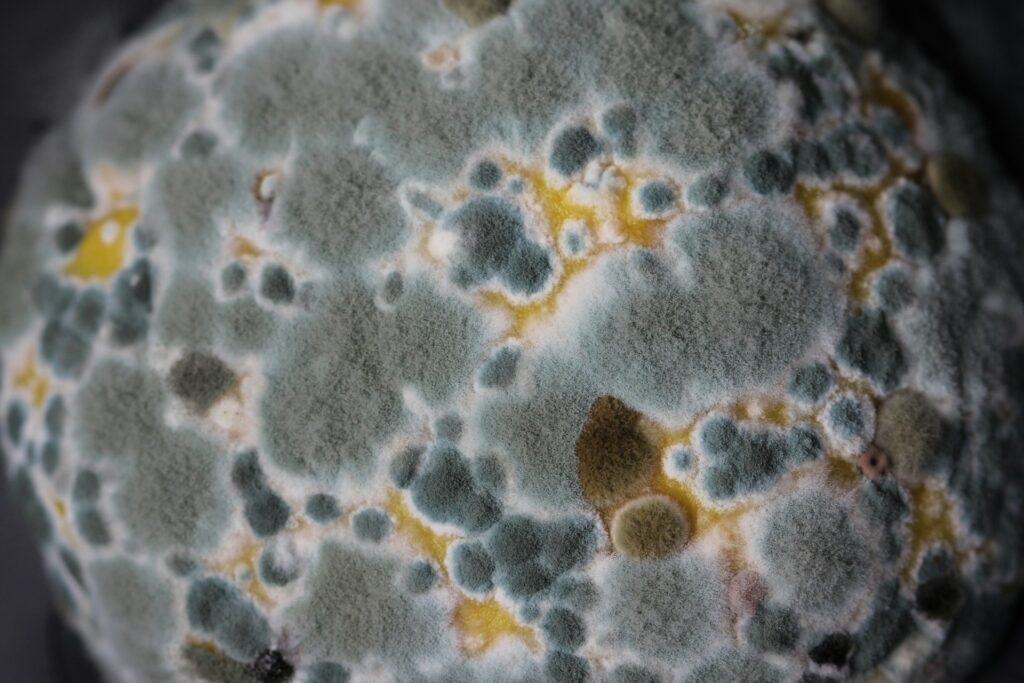
Silent Threats in Luxury Homes: Why Hidden Mold Is Rising
Hidden mold is one of those problems that can quietly grow for months or years before anyone in the home realizes something is wrong. In upscale communities like Lake Forest, IL, 60045, that slow, silent damage can affect both your family’s health and your property value. High-end homes often have complex layouts, specialty rooms, and custom finishes that make it easier for moisture to hide and mold to thrive out of sight.
Lake Forest is known for its lakefront properties, historic estates, and large custom builds surrounded by trees and landscaping. Those features are part of what makes the area so desirable, but they also introduce more places for water intrusion and humidity issues. Multiple HVAC zones, layers of insulation, and extensive plumbing runs mean a small leak can stay tucked away behind a wall or ceiling for a long time. By the time there is a musty smell or visible staining, mold growth can already be widespread.
Nearby communities, including Lake Bluff, are seeing similar patterns. Homeowners and real estate professionals are talking more about indoor air quality and hidden water damage, and terms like “mold testing in Lake Bluff” are showing up more often in local conversations. In the sections that follow, we will break down where mold hides, how it affects health and finances, what signs to watch for, and why professional inspection and remediation from a company like ours at GreenStar HomePro make such a difference.
Where Hidden Mold Hides in Lake Forest Luxury Properties
Luxury homes tend to have features that are beautiful and comfortable, yet also challenging when it comes to moisture control. We regularly see mold issues linked to the very spaces that make these homes feel like retreats.
Some of the most common problem areas include:
- Spa-style bathrooms with steam showers and multiple showerheads
- Heated tile floors that stay warm but trap moisture in subfloor layers
- Finished basements with media rooms, gyms, and guest suites
- Wine cellars and tasting rooms with tightly controlled temperature
Steam showers and oversized tubs put a lot of moisture into the air. If ventilation fans are undersized or not used consistently, that moisture can work its way behind tile, stone, and grout. Heated floors can dry surface water quickly, yet moisture can seep into tiny cracks or failed sealant and sit under the tile where mold can grow on subfloor materials.
Finished basements and home theaters often rely on heavy insulation, soundproofing, and tight construction. Those details make for a quiet, cozy space, but they also limit air movement. Any condensation from cool walls, minor seepage through foundation cracks, or past flooding can become a long-term source of hidden mold if not fully dried and treated.
Other hidden moisture sources we often trace mold back to include:
- Slow plumbing leaks inside walls, behind custom cabinetry, or under stone countertops
- High-end dishwashers, refrigerators, and ice makers with small supply line leaks
- Ice damming on complex rooflines that sends water into attic and wall cavities
- Window and door failures on lakefront or wooded lots with wind-driven rain
Premium finishes can make it even harder to spot where the problem started. Thick baseboards, intricate crown molding, paneled walls, and built-in shelving can all hide swollen framing and damp drywall. Soundproofing mat, dense insulation, and vapor barriers sometimes trap spores and moisture where you cannot see them, even while the visible surface looks intact.
Health and Financial Risks Owners Often Overlook
Because hidden mold builds up gradually, it often shows up first as minor health complaints that are easy to shrug off. Over time, ongoing exposure to mold spores and fragments can affect how people in the home feel day to day.
Common health impacts include:
- Worsening seasonal or indoor allergies
- Asthma flare-ups or new wheezing and chest tightness
- Chronic cough, throat irritation, or sinus congestion
- Headaches, fatigue, and brain fog that come and go
Children and older adults tend to be more sensitive, and anyone with asthma, COPD, or a compromised immune system may notice symptoms sooner and more severely. Pets can also be affected, with some developing respiratory or skin issues that line up with human symptoms.
Beyond health concerns, hidden mold represents a serious financial risk in a high-value home. Mold does not stay put. Once materials stay damp, growth can spread along framing, into subfloors, and behind built-ins. Instead of a small repair, owners can end up facing:
- Removal and replacement of custom cabinetry, trim, or wood floors
- Structural repairs where framing and sheathing have deteriorated
- Extended disruption while affected rooms or levels are restored
Real estate buyers in Lake Forest and Lake Bluff are increasingly aware of these issues. Many now ask about past water damage, mold history, and indoor air quality. If an inspection or independent mold testing in Lake Bluff or nearby communities uncovers a pattern of moisture problems, that can affect negotiations or delay a sale. Insurance questions may also arise if there is a history of leaks that were not addressed quickly or professionally.
Telltale Signs You May Have a Hidden Mold Problem
Hidden mold does not always stay completely hidden. The clues can be subtle, but once you know what to look for, they are hard to ignore. We encourage homeowners to pay attention to anything that seems “off,” even if it feels minor.
Some warning signs include:
- Intermittent musty odors in certain rooms, closets, or around built-ins
- Peeling, bubbling, or cracking paint on walls or ceilings
- Stains that look like water rings, shadows, or patchy discoloration
- Soft or creaking spots in hardwood near kitchens, baths, or exterior doors
HVAC systems can also hint at a bigger problem. Dust buildup or dark streaks around vents, or a stale or earthy smell when the system kicks on, can indicate that spores or debris are in the ductwork or that there is mold growth near air handling components. Rooms that feel damp, chilly, or hard to keep comfortable, especially over garages or in basements, are often dealing with a combination of insulation and moisture issues.
Family symptom patterns can tell you as much as the building itself. Many people notice:
- Symptoms that ease when they are away from home for a few days
- One bedroom or part of the house where sleep, breathing, or comfort is worse
- Pets coughing, sneezing, or scratching more when indoors
We see similar patterns reflected in what inspectors find during mold testing in Lake Bluff and surrounding areas. Even when surfaces look clean, air and surface samples can show where mold activity is higher than it should be, often lining up with the same subtle red flags homeowners have been noticing.
Professional Detection and Safe Removal for Lake Forest Homes
When hidden mold is a possibility, the first step is a thorough inspection. At GreenStar HomePro, we focus on finding the source of moisture and the full extent of the damage, not just the most obvious spots. A detailed inspection typically includes:
- Visual assessment of high-risk areas inside and outside the home
- Moisture readings with meters to check walls, ceilings, and floors
- Infrared imaging to look for temperature differences that suggest hidden dampness
- Air and surface sampling when needed to document mold levels and types
DIY kits and bleach-based cleanups can seem tempting, but they have real limitations. Store-bought tests usually cover only a small area and can give misleading results. Wiping visible growth without containment can release more spores into the air and spread them into clean rooms, fabrics, and HVAC systems.
Our professional remediation process is designed to remove mold safely and help prevent cross-contamination. Key steps typically include:
- Setting up containment barriers around affected areas
- Using HEPA filtration and negative air machines to protect the rest of the home
- Carefully removing contaminated porous materials that cannot be cleaned
- Cleaning and HEPA vacuuming remaining surfaces and contents
- Drying the structure thoroughly so mold does not return
When independent third-party testing is involved, such as mold testing in Lake Bluff or nearby communities, we coordinate our work to align with their findings and clearance criteria. That way, homeowners have clear documentation before and after remediation.
Protecting Your Investment and Health with Proactive Action
For Lake Forest homeowners, a small musty odor or minor leak is rarely “just” a small problem. In a complex, high-value property, those early hints can be the first sign of a hidden issue that affects both comfort and long-term value. Staying proactive with moisture control and mold prevention is one of the best ways to protect your home and everyone in it.
Helpful habits include:
- Regular roof, gutter, and downspout inspections
- Prompt repair of window, door, or siding leaks
- Routine plumbing checks for slow drips and condensation
- Ongoing HVAC service and filter changes
- Fast response to any water event, even if it seems minor
If you suspect hidden mold, notice recurring symptoms in certain parts of the house, or are planning a renovation that may open up walls or ceilings, it is worth getting a professional inspection before problems grow. At GreenStar HomePro, we work to identify moisture sources, safely remove mold, and help Lake Forest and nearby homeowners keep their properties safe, clean, and comfortable for the long term.
Protect Your Home And Family From Hidden Mold Problems
If you suspect moisture issues or musty odors, now is the time to schedule professional mold testing in Lake Bluff. At GreenStar HomePro, we use detailed inspections and proven methods to pinpoint mold concerns before they become bigger health and property issues. Reach out today and let us put together a clear plan to make your home safer and healthier. If you are ready to talk with a specialist, contact us to get started.