
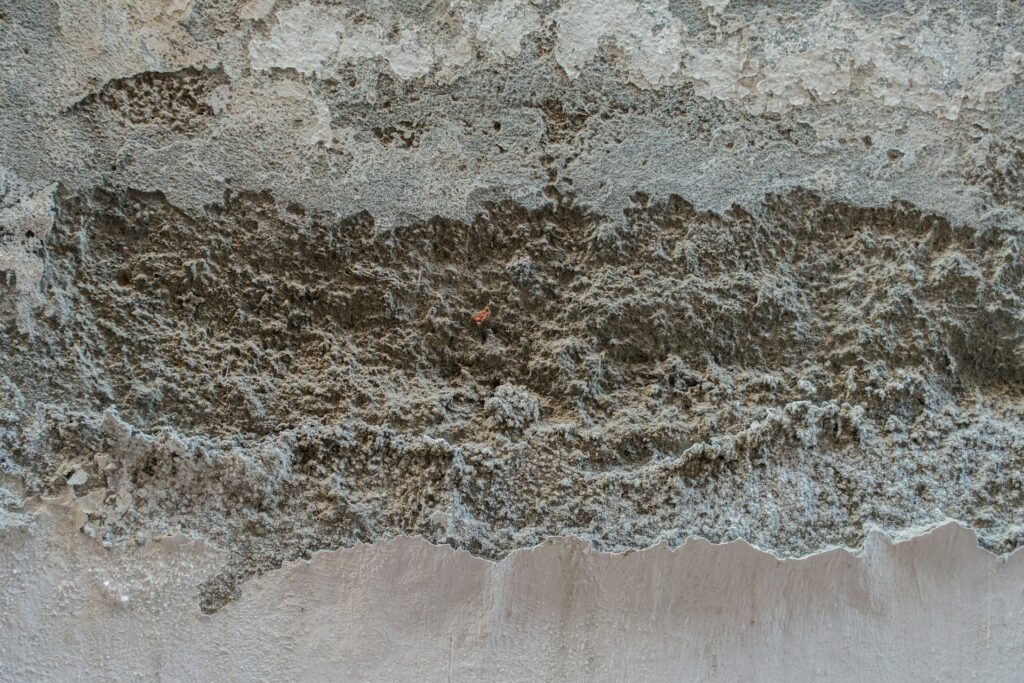
Protect Your North Shore Home Before Mold Appears
Moisture problems and mold growth do not always start with a dramatic flood. In many North Shore homes, they begin quietly, inside finished walls or under carpet, where they will not be visible until there is staining, odor, or damage. An annual moisture and mold inspection functions like a health checkup for a home, helping identify issues while they are still small and more affordable to address.
Living near Lake Michigan, especially in communities like Highland Park, Glencoe, Lake Forest, and the surrounding suburbs, brings unique challenges. Lake-effect humidity, older homes with masonry foundations, and fully finished basements all combine to create conditions that are favorable for hidden moisture. For that reason, mold inspection is best viewed as preventative care, not just something to schedule when visible growth appears. Professional providers of water damage restoration, mold remediation, mold inspection, and related services across the Chicago area and nearby suburbs regularly see how early inspections can help protect both property and health.
Why North Shore Homes Face Higher Moisture Risks
Homes along the North Shore experience a mix of weather conditions that are tough on building materials. The combination of lake-effect humidity, seasonal rain and snow, and frequent freeze-and-thaw cycles can push moisture into the places that are not checked every day.
Several local climate and geographic factors raise the risk of moisture problems:
- Persistent humidity from Lake Michigan that can linger even when it feels comfortable outdoors
- Heavy rains that put pressure on foundations, window wells, and sump systems
- Snow and ice that melt, refreeze, and stress roofing, flashing, and masonry
In addition to weather, many homes in areas like Highland Park and surrounding communities share structural traits that increase vulnerability:
- Older masonry or stone foundations that can crack or absorb moisture over time
- Aging roofs, gutters, and downspouts that can pull away or clog, sending water toward the foundation instead of away
- Finished basements with drywall, insulation, and carpet that can hide small leaks for a long time
- Newer, tighter windows and doors that improve efficiency but can trap indoor humidity if ventilation is not managed
The most stubborn moisture issues usually develop where people rarely look. Common hidden trouble spots include:
- Behind basement or bathroom walls, especially along exterior foundations
- Under carpet and padding, particularly in lower levels and on concrete slabs
- Around window frames and patio doors where condensation appears in colder months
- Under kitchen and bathroom sinks or behind dishwashers and refrigerators
- In attics around roof penetrations, bathroom vents, and poorly insulated areas
- Near HVAC equipment, condensate lines, and floor drains
Because these areas are out of sight, a regular professional inspection provides a structured way to check them before they create mold, odors, or structural concerns.
What Really Happens During a Professional Mold Inspection
Many homeowners are not sure what to expect from a mold inspection in Highland Park or other North Shore communities. It involves more than walking around and looking for black spots on walls. A thorough inspection uses tools and testing methods to uncover moisture and mold that are not visible.
A typical professional visit may include:
- Visual assessment: A detailed walkthrough of the property, inside and out, looking for staining, past repairs, water marks, cracked caulk, and any surface changes that might signal moisture.
- Moisture mapping: Use of moisture meters to check walls, floors, baseboards, and ceilings in high-risk areas to identify damp zones and map how far moisture has spread.
- Thermal imaging: Infrared cameras to spot temperature differences that often indicate hidden moisture behind finishes or insulation.
- Air and surface sampling when needed: If conditions warrant it, air samples or surface swabs may be collected in specific locations to help understand what types and levels of mold spores are present.
The goal is not only to confirm whether mold is present, but also to identify the source of moisture and the likely timeline of the problem. Lab results and meter readings help distinguish between normal background spores that are expected in most indoor environments and levels that suggest active growth or a hidden colony.
A thorough inspection typically includes clear documentation:
- A written report explaining findings in plain language
- Photos of any areas of concern and moisture readings
- An outline of recommended next steps, which might include repairs, drying, or mold remediation
These reports can be especially useful during real estate transactions or insurance conversations, because they provide an organized record of what was found, along with data to support it.
Key Signs You May Need an Annual Checkup Now
Homeowners do not have to wait for extensive damage before scheduling a mold inspection in Highland Park or nearby suburbs. There are early clues that a home may already be dealing with excess moisture or mold, even if visible growth has not appeared on walls or ceilings.
Common red flags include:
- Musty or earthy odors that linger, especially in basements, closets, or bathrooms
- Recurring allergy-like symptoms or respiratory irritation that improve when occupants are away from home
- Past or recent leaks from roofs, pipes, appliances, or windows, even if they appear to be fixed
- Brown or yellow water stains on ceilings or walls
- Peeling paint, bubbling drywall, or warped baseboards and flooring
Situations that often justify an immediate moisture and mold assessment include:
- Sump pump failures, even if the water receded quickly
- Foundation seepage or minor flooding after heavy storms
- Ice damming along the roofline that sent water behind exterior walls
- Long-term high humidity in basements, bathrooms, or laundry rooms
Health-focused organizations note that mold can be a concern even when it is not obvious on surfaces. The National Institute of Environmental Health Sciences overview of mold explains how indoor mold and moisture can be linked with a range of respiratory and irritation symptoms, especially for sensitive individuals. An inspection that includes both moisture detection and, when appropriate, sampling, can therefore be useful. It provides information about what is happening behind the scenes, rather than relying only on what can be seen or smelled.
Even if none of these signs are present, an annual checkup can still be worthwhile. It confirms that current conditions are sound and provides a baseline that can be compared with future inspections so changes are spotted early.
Building a Prevention Plan That Works
Preventing mold is primarily about managing moisture. An annual inspection is one part of a larger home care plan that keeps North Shore properties dry, comfortable, and in good shape over the long term.
Practical habits that are helpful include:
- Keeping indoor humidity in a reasonable range, using dehumidifiers in basements and lower levels as needed
- Running bathroom and kitchen exhaust fans long enough to remove steam and excess moisture
- Cleaning gutters regularly and making sure downspouts send water well away from the foundation
- Adjusting yard grading so water does not pool along exterior walls
- Testing sump pumps periodically and considering backup systems in moisture-prone areas
Another effective strategy is to treat the home like a system. Just as roof checks, HVAC maintenance, and chimney inspections are scheduled, a yearly moisture and mold inspection helps close the loop. Inspectors can identify patterns, such as recurring dampness in the same corner of the basement or around the same set of windows, and recommend focused repairs instead of guesswork.
Working consistently with a qualified local inspection provider in Highland Park and surrounding communities can offer long-term benefits:
- Consistent records from year to year that make changes easier to spot
- Familiarity with the specific property, materials, and past water events
- More tailored recommendations about upgrades, such as drainage improvements, better ventilation, or changes in finishes that handle moisture more effectively
This approach shifts homeowners from reacting to mold after it appears to staying ahead of it with measured, informed decisions.
Next Steps for Protecting North Shore Homes
Annual moisture and mold inspections give North Shore homeowners a clear, practical way to protect their property from the quiet damage that excess moisture can cause. When conducted by qualified professionals with experience in water damage restoration, mold remediation, and inspection across the Chicago area and suburbs, early detection can play a key role in preventing larger problems later.
To get the most value from a professional visit, it helps to prepare a brief home history in advance. Create a simple list of past water events, such as roof leaks, plumbing issues, basement seepage, or overflowing fixtures, and note roughly when they happened and how they were addressed. Jot down any recurring odors or comfort issues and any areas that always feel damp or chilly. Bringing specific questions about rooms or systems of concern can turn the inspection into a focused, collaborative look at how to keep a North Shore home healthy, dry, and comfortable over the long term.
Protect Your Home And Family From Hidden Mold Problems
If you suspect moisture issues or musty odors, now is the right time to schedule a professional mold inspection in Highland Park. At GreenStar HomePro, we carefully assess your home so you can address problems early and avoid more costly damage. Our team is ready to answer your questions, explain your options, and help you move forward with a clear plan. To set up an appointment or request a quote, simply contact us today.