
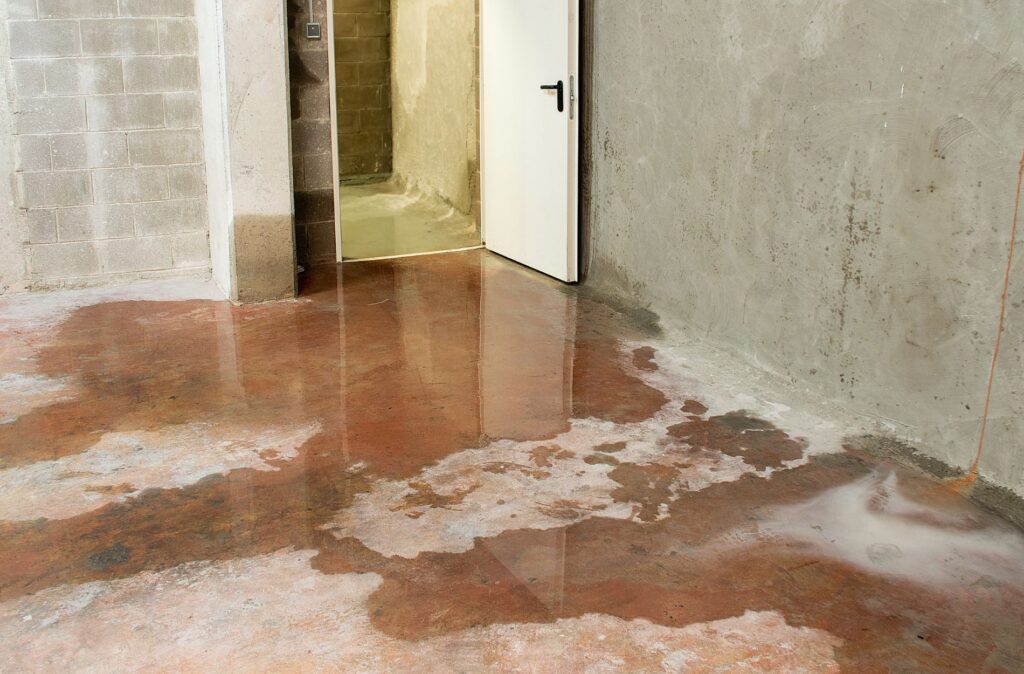
Early Summer Basement Flooding Traps in Skokie Homes
Early summer in Skokie can flip fast from a nice warm day to a heavy storm. For many homeowners, that first big rain of the season is when a “slightly damp” basement suddenly turns into a shallow indoor pool. A few inches of water on the floor can ruin flooring, walls, stored items, and even the air quality in your home.
At GreenStar HomePro, we see how early summer weather can catch people off guard after a long Chicago winter. Temperature swings, sudden downpours, and leftover moisture in the ground create the perfect setup for water damage in Skokie. When you understand the common flooding traps in local basements, you have a better chance to stop problems early and keep your home safer and healthier.
Why Early Summer Is Prime Time for Basement Flooding
Early summer is when everything outside is still wet from spring. The ground may already be soaked from earlier rain, and when more storms roll in, there is nowhere for that water to go except sideways and down. That extra water pushes harder against your foundation walls and floor.
Older Skokie homes, which many of us love for their charm, can be especially at risk during this time. Aging or damaged drain tiles, tiny cracks in the foundation, or sump pumps that are past their prime can all start to fail when the soil is heavy with water.
On top of that, small problems around the outside of the house can turn into big issues when storms hit.
Common outdoor triggers include:
- Clogged gutters that spill water right next to the foundation
- Downspouts that end too close to the house
- Yards that slope toward the home instead of away
- Window wells without covers or with poor drainage
When all these factors line up, water finds the easiest path. Often, that path ends inside your basement.
Hidden Basement Flooding Traps Unique to Skokie Homes
Many Skokie homes share a few common weak spots. One of the most common is seepage where the basement wall meets the floor. This area, called the cove joint, can let water push up and in when the ground outside is saturated. You might see a thin line of dampness at first, then small puddles, then full standing water.
We also see problems with old foundation repairs that did not last. Patches on basement walls can crack or peel, letting water sneak behind them. When the pressure outside is high, even tiny gaps can let in a surprising amount of water.
Finished basements can hide trouble even more:
- Leaks behind drywall that never reach the surface
- Water wicking up into carpet and padding along edges
- Moisture building up in utility rooms or under storage shelves
- Dampness inside wall cavities around plumbing lines
Another issue in some neighborhoods is how water moves outside. Shared alley drainage, older clay sewer lines, and overwhelmed municipal storm systems can back water toward homes. If your drain or sewer line cannot keep up, that water can show up in your basement floor drain or through other low points in the slab.
How to Spot Water Damage in Skokie Before It Spreads
Catching water damage in Skokie early is one of the best ways to avoid bigger headaches later. A flooded basement is usually obvious, but many warning signs are more subtle. If you know what to look for, you can act before things get out of control.
Pay attention to these early clues:
- A steady musty or earthy smell that does not go away
- Peeling or bubbling paint on basement walls
- Efflorescence, a white powdery film on brick or concrete
- Rust on metal furniture, tools, appliances, or support posts
- Warped or stained baseboards or trim near the floor
Small puddles after storms might seem harmless, especially if they dry up on their own. The same goes for a slightly damp carpet edge or a recurring wet spot near a floor drain. These can be signs of ongoing seepage, a slow plumbing leak, or a drain that is starting to fail.
Ignoring these signs can lead to bigger issues. Hidden moisture allows mold to grow behind walls, under flooring, and inside insulation. Over time, dampness can weaken framing and stress parts of the foundation, making future water damage even more likely and harder to repair.
Smart Prevention Steps Before the Next Storm Hits
You cannot control the weather, but you can make your home less welcoming to unwanted water. Simple, regular checks before early summer storms start rolling in can lower your risk.
Useful prevention steps include:
- Cleaning gutters and downspouts so water can flow freely
- Extending downspouts so they discharge several feet from the foundation
- Checking window well covers and clearing debris out of wells
- Looking around the yard to see if the ground slopes toward your house
Inside the basement, test your sump pump before the next big storm. Lift the float or pour water into the pit to see if it turns on and pumps water out. Many homeowners also choose small upgrades that can make a big difference, such as backup batteries for sump pumps and simple water alarms that sound when they sense moisture.
Some problems are hard to spot without training or the right tools. When you notice cracks in the foundation, chronically damp spots on walls or floors, or long-standing moisture near drains, it is smart to have a professional inspect grading, drainage, and foundation conditions before early summer rain patterns get heavier.
Fast Action Plan When Your Skokie Basement Floods
When water suddenly appears in your basement, how you respond in the first hours matters a lot. Safety always comes first. If water is near outlets, cords, or appliances, avoid stepping into it. If you can safely do so, shut off power to the affected area. Keep children and pets away from the flooded space, especially if the water may be mixed with sewage or cleaning products.
Once everyone is safe, move what you can out of the wet area, starting with:
- Important papers and photos
- Electronics and appliances if safe to move
- Wood furniture, cardboard boxes, and fabric items
- Area rugs and loose carpets
It can be tempting to handle everything on your own, but DIY cleanup often leaves moisture trapped in walls, floors, and hidden spaces. Tearing out only what you see or running a few fans is usually not enough. That leftover moisture can lead to mold growth and ongoing damage.
Professional water damage restoration teams like ours use equipment to measure how far the moisture has spread, remove standing water, and dry structural materials, not just surfaces. Controlled drying and monitoring help lower the chance of mold, odors, and long-term structural issues.
Protecting Your Skokie Home for the Rest of Summer
Early summer may be prime time for basement flooding, but you are not powerless against it. Treat even minor leaks or damp spots as early warnings instead of seasonal annoyances. Paying attention to small changes now can prevent much larger problems later, including repeated water damage in Skokie homes and hidden mold that affects your indoor air.
At GreenStar HomePro, we work with homeowners across the Chicago area to respond quickly after leaks and floods and to help find the hidden weak points that often lead to repeat basement problems. A careful look before storm patterns intensify can reveal issues with drainage, cracks, or moisture you might not see on your own. With the right information and support, you can head into the rest of summer with a basement that feels drier, safer, and more comfortable for your whole household.
Get Started With Your Project Today
If you are dealing with water damage in Skokie, our team at GreenStar HomePro is ready to respond quickly and help protect your property from further harm. We will assess the situation, explain your options in clear terms, and restore your space as efficiently as possible. Reach out today to discuss your situation, schedule service, or ask questions through our contact us page.