
Fast Action, High Stakes in Chicago High-Rises
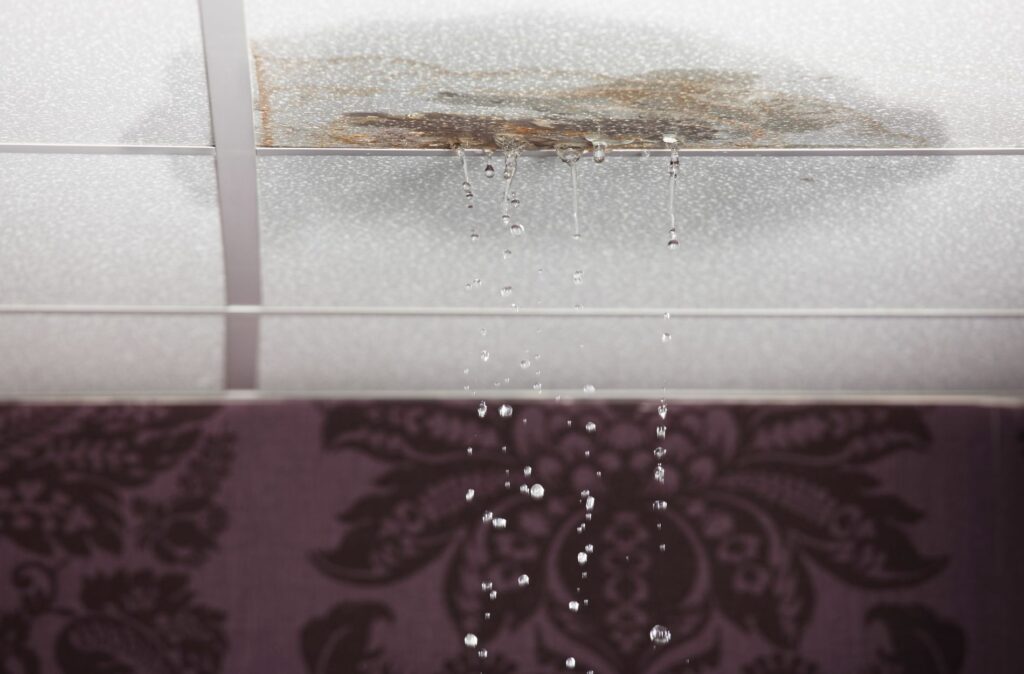
Water moves faster than most building teams can respond. A small burst pipe on the 25th floor can turn into soaked ceilings, dripping light fixtures, and flooded hallway carpets several floors below in what feels like minutes. In a Chicago high-rise, one leak can interrupt homes, offices, and businesses stacked on top of each other.
That is why emergency water extraction in Chicago towers is different from a single-family home. There are more people involved, more systems at risk, and less room for error. In this article, we will walk through why high-rise water emergencies are so tough, how Chicago’s weather and infrastructure raise the risk, and what building owners and managers can do to be ready before the next wet ceiling tile shows up.
Why High-Rise Water Emergencies Are so Complex
When water breaks loose at height, gravity does not work alone. Water finds every tiny opening it can, which makes tall buildings tricky to protect.
Here is how water travels in a high-rise long before you see it:
- Behind walls and baseboards
- Through utility chases that carry plumbing, data, and electrical lines
- Along concrete slabs and around column edges
- Through gaps around pipe penetrations and firestopping
By the time stains show up in a hallway or unit below, several floors can already be affected. That hidden spread is one reason accurate moisture mapping and fast extraction matter so much.
Key building systems are also at risk when water runs from floor to floor, including:
- Electrical risers and panels
- Fire sprinkler and alarm wiring
- HVAC ductwork and fan rooms
- Elevator shafts, controls, and machine rooms
These systems are stacked vertically too, which means damage on one level can cause shutdowns across the structure.
On top of that, decisions in a high-rise usually involve many different people. During an emergency, it is common to see:
- The condo or co-op board asking about liability and long-term repairs
- Property management trying to calm residents and tenants
- Unit owners and commercial tenants worried about contents and downtime
- Insurance adjusters looking for clear documentation
All of this happens under pressure while water is still moving. Clear communication and a strong plan are just as important as pumps and drying equipment.
How Chicago Weather and Infrastructure Raise the Risk
Chicago’s seasons make water issues even tougher for tall buildings. Spring can bring quick snowmelt, heavy rain, and strong winds in the same week. That mix tests older roofs, window seals, balcony drains, and exterior walls.
When drains clog or seals fail during a storm, water can push into upper floors and then work its way down through:
- Patio doors and window frames
- Balcony edges and rail posts
- Roof penetrations around vents and mechanical units
Winter adds another layer of risk. Freeze and thaw cycles can stress pipes inside wall cavities, riser rooms, and parking garages. When a cold snap is followed by a warm-up, weakened plumbing lines, sprinkler pipes, and supply lines can crack. Many of these runs are hidden in shafts that serve many floors at once, so one break can affect a long vertical column of units.
Urban infrastructure can also feed water problems from below. During strong storms, city sewers can get overloaded and streets can flood. When that happens, high-rise basements, lower garages, and mechanical spaces can see:
- Sewer backup risks
- Sump pump overload and failure
- Standing water around critical building equipment
So even if a leak started on an upper floor, a tower may face water intrusion from both the top and the bottom at the same time.
Unique Challenges of Emergency Water Extraction in Chicago Towers
Getting water out of a high-rise is not as simple as rolling in a big machine and parking it in a driveway. Access is tighter, vertical travel is slower, and neighbors are closer.
There are special challenges just to reach the affected floors:
- Securing elevator access for crews, pumps, and hoses
- Working through loading docks and service corridors
- Protecting walls, corners, and flooring during equipment moves
- Keeping paths clear while residents and staff still move through the building
Power and noise add more limits. Extraction and drying equipment can draw a lot of power, so teams must work with building engineers to find safe circuits, avoid overloads, and stay within fire code. At the same time, quiet hours and occupied units make it important to plan where and when louder equipment runs.
Safety and building operations also need tight coordination. During emergency water extraction in Chicago high-rises, it is common to work closely with maintenance and security to:
- Shut off water lines or sprinkler zones when possible
- Protect and, if needed, pause elevator service in wet shafts
- Control access to affected floors and mechanical areas
- Manage foot traffic around hoses, cords, and drying zones
Without that teamwork, extraction can slow down, and the water has more time to spread.
Professional Strategies That Minimize Damage and Downtime
When a high-rise calls for help, a good response starts with fast assessment. Even if the wet area looks small, we expect hidden moisture and plan to find it.
Moisture mapping and containment often include:
- Thermal imaging to find cold, damp spots behind surfaces
- Moisture meters to check drywall, concrete, and flooring
- Plastic barriers and zipper doors to isolate affected zones
- Floor and wall protection to control cross-contamination between levels
Once the wet areas are mapped, the real work of extraction and drying begins. For tall buildings, this might mean:
- High-lift pumps that can move water from upper floors without losing strength
- Weighted extractors that pull water from soaked carpet and padding
- Specialty tools to pull moisture from under floating floors or raised panels
- Large-capacity desiccant or low-grain refrigerant dehumidifiers sized for multi-floor use
Air movers are positioned to push dry air across wet surfaces and toward the dehumidifiers. The goal is not just to dry what you see, but to dry the structure itself, including wall cavities, subfloors, and ceilings.
Mold and indoor air quality are another big concern in tightly sealed towers. Professional teams focus on:
- Early ventilation when conditions allow
- HEPA air filtration to capture fine particles and spores
- Targeted antimicrobial treatments on at-risk materials
Done quickly and correctly, this reduces odor problems, mold growth, and health concerns for people living or working in the building.
What Property Managers and Owners Should Do Before a Crisis
The best time to think about emergency water extraction in Chicago is before water hits the elevator lobby. A simple, written plan can save hours of confusion when the pressure is on.
Helpful items to include in a building-specific plan are:
- Contact lists for property staff, board members, and key vendors
- Marked diagrams showing main shutoffs, risers, and mechanical rooms
- Clear steps for after-hours decision-making
- Basic communication templates for residents and tenants
Pre-vetting a local restoration partner is just as important. Working with a Chicago-based team that already understands common high-rise layouts, local weather patterns, and city rules means you are not starting from zero in the middle of a crisis.
Seasonal inspections can prevent many emergencies from turning into full disasters. Building teams should pay close attention to:
- Roofs, flashing, and roof drains
- Balconies, scuppers, and deck drains
- Window seals and wall joints
- Mechanical rooms, sprinkler risers, and sump pump pits
As a local provider, GreenStar HomePro has seen how a small leak in any of these areas can grow into a multi-floor problem if it is not caught early.
Turn Today’s Lessons Into Tomorrow’s Protection
Water in a high-rise moves fast, but the damage can last a long time. Hours of delay can mean the difference between drying a few units and tearing out walls and flooring across several floors. When that happens, everyone feels it, from residents who cannot use their homes to businesses who lose work time and boards who have to sort out insurance and repairs.
By understanding how water behaves in tall buildings, how Chicago’s weather and infrastructure make things harder, and what professional strategies work best, property managers and owners can put better plans in place now. GreenStar HomePro focuses on water damage restoration, mold remediation, and structural drying for homes and businesses in the Chicago area, and we know how much faster high-rises recover when there is a clear plan, a prepared team, and a trusted local partner ready to respond.
Protect Your Home With Fast, Professional Water Extraction
If you are dealing with a sudden leak or flooding, we are ready to respond quickly and limit the damage before it spreads. Learn how our emergency water extraction in Chicago helps safeguard your home, your belongings, and your peace of mind. Our GreenStar HomePro team can walk you through the next steps, from inspection to full cleanup and drying. If you need immediate help or want to schedule service, please contact us today.